
Akintunde Oyedokun
Research Analyst
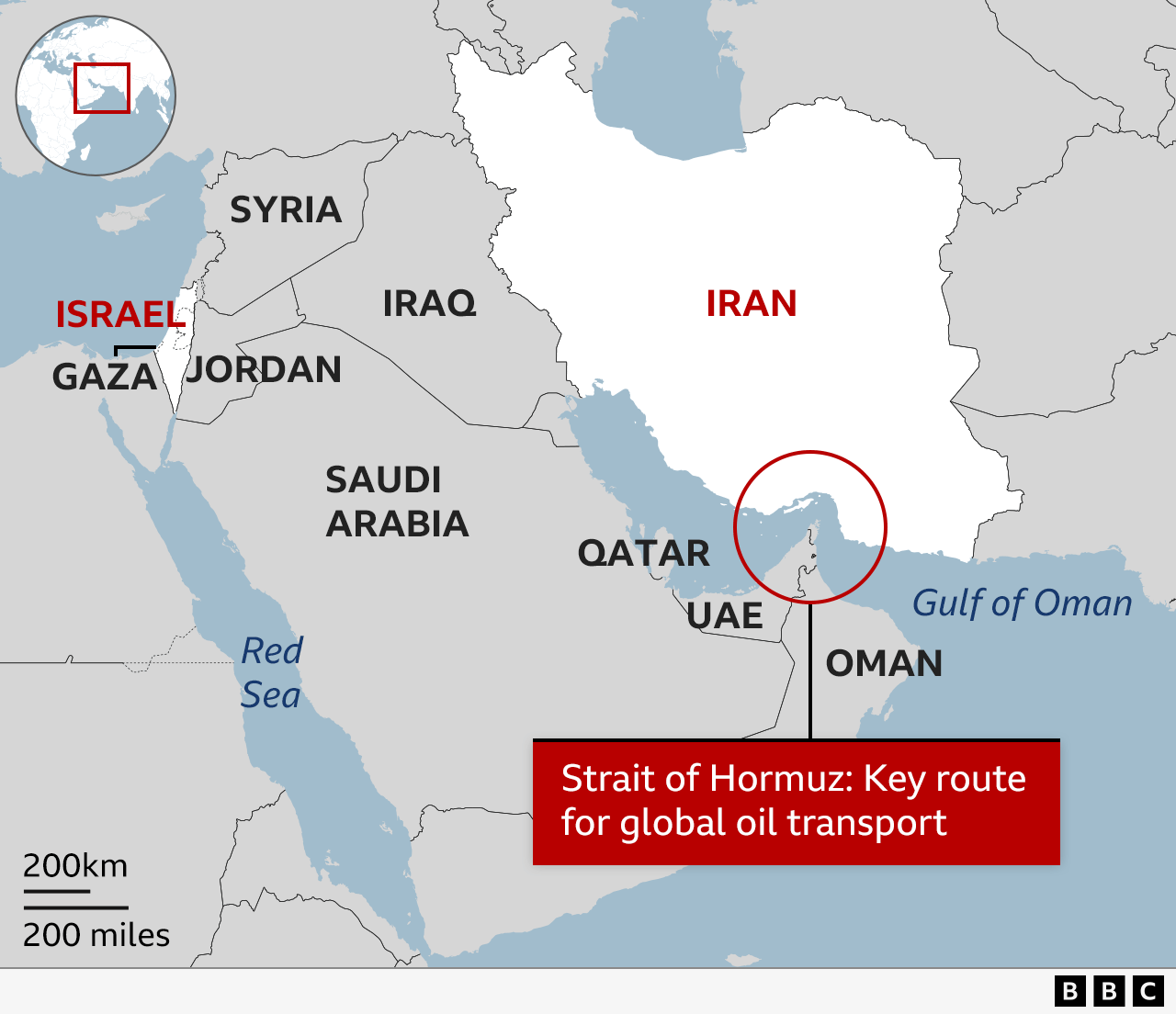
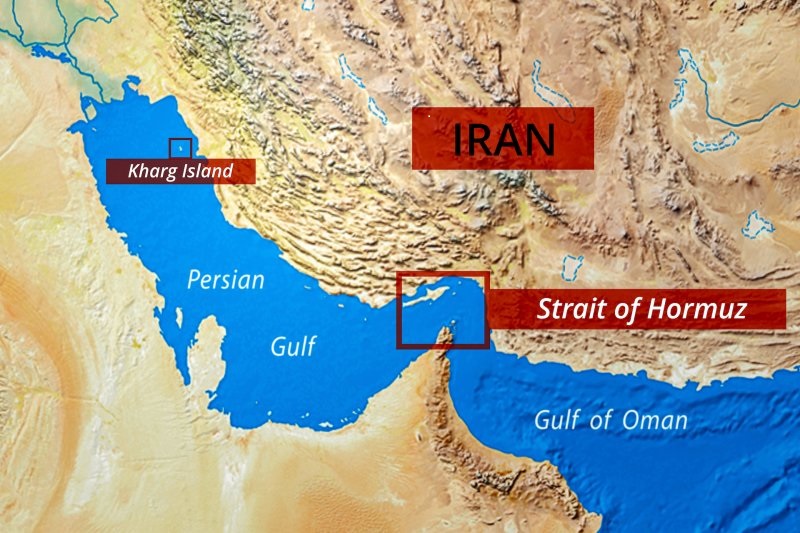
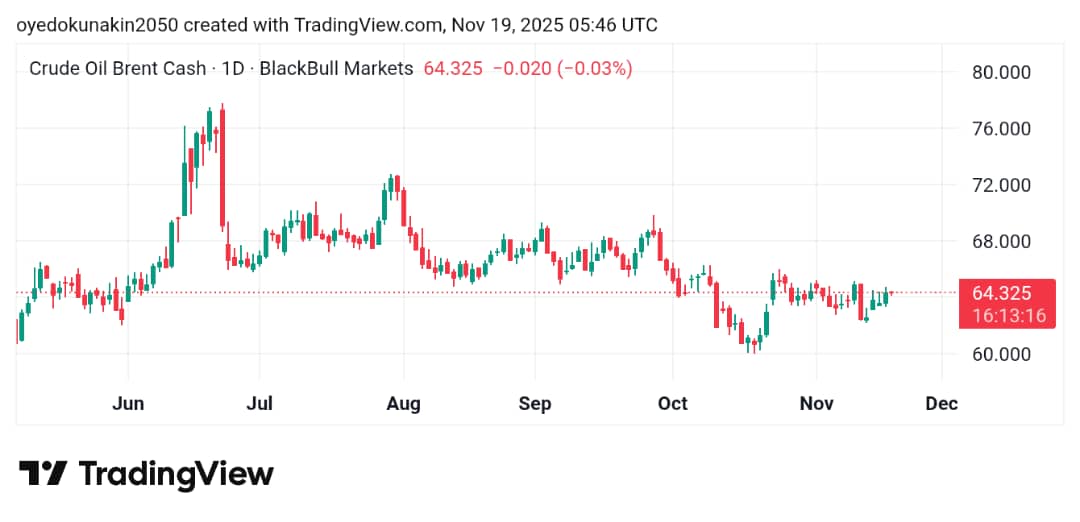
Oil prices held firm on Monday after last week’s gains, supported by U.S. production outages and geopolitical tensions. Brent crude hovered near $65.81 a barrel, while U.S. WTI traded around $60.94. Traders remain cautious amid U.S.–Iran frictions and expectations that OPEC+ will keep output levels unchanged. Cold winter weather in the U.S. has also tightened supply, adding upward pressure on prices.
Germany’s 2026 Recovery Faces Reform Hurdles
Germany is set for modest growth in 2026 as fiscal spending lifts activity, but economists warn the rebound is fragile. Slow reforms and political frictions continue to weigh on confidence.
Industry remains underutilised, investment is lagging, and consumer demand is weak. Analysts say lasting growth will depend on faster structural reforms beyond stimulus.
Singapore Seen Holding Monetary Policy as Growth Remains Strong
Singapore is expected to keep monetary policy unchanged, supported by firm economic growth, resilient semiconductor demand, and subdued inflation. The economy expanded by 4.8% in 2025, while core inflation stayed just above 1%, reducing pressure on the Monetary Authority of Singapore to act in the near term, though policy tightening later in the year remains possible.
Guinea’s Bauxite Exports Rise 25% in 2025, China Leads Purchases
Guinea exported 182.8 million tons of bauxite in 2025, up 25%, with China taking nearly 75% of shipments. Major exporters included Chalco, CBG, SMB, and AGB2A/SDM.
Higher output weighed on global prices, prompting plans for domestic refining. Government revenue is set to rise 40% in 2025. Mid-January shipments included 4.9 million tons of bauxite and 175,880 tons of iron ore.
Nigeria’s Private Sector Credit Rises to N75.8 Trillion
Private sector credit edged up to N75.8 trillion in December 2025 from N74.63 trillion in November, showing a modest year-end rebound but still below last year’s N78.02 trillion. Net domestic credit rose to N110.05 trillion, supported by CBN policy adjustments, while broad money supply (M3) grew to N124.4 trillion, reflecting gradual improvement in lending. The increase signals a cautious recovery in Nigeria’s lending activity as banks respond to easing monetary conditions.