

Akintunde Oyedokun
Research Analyst
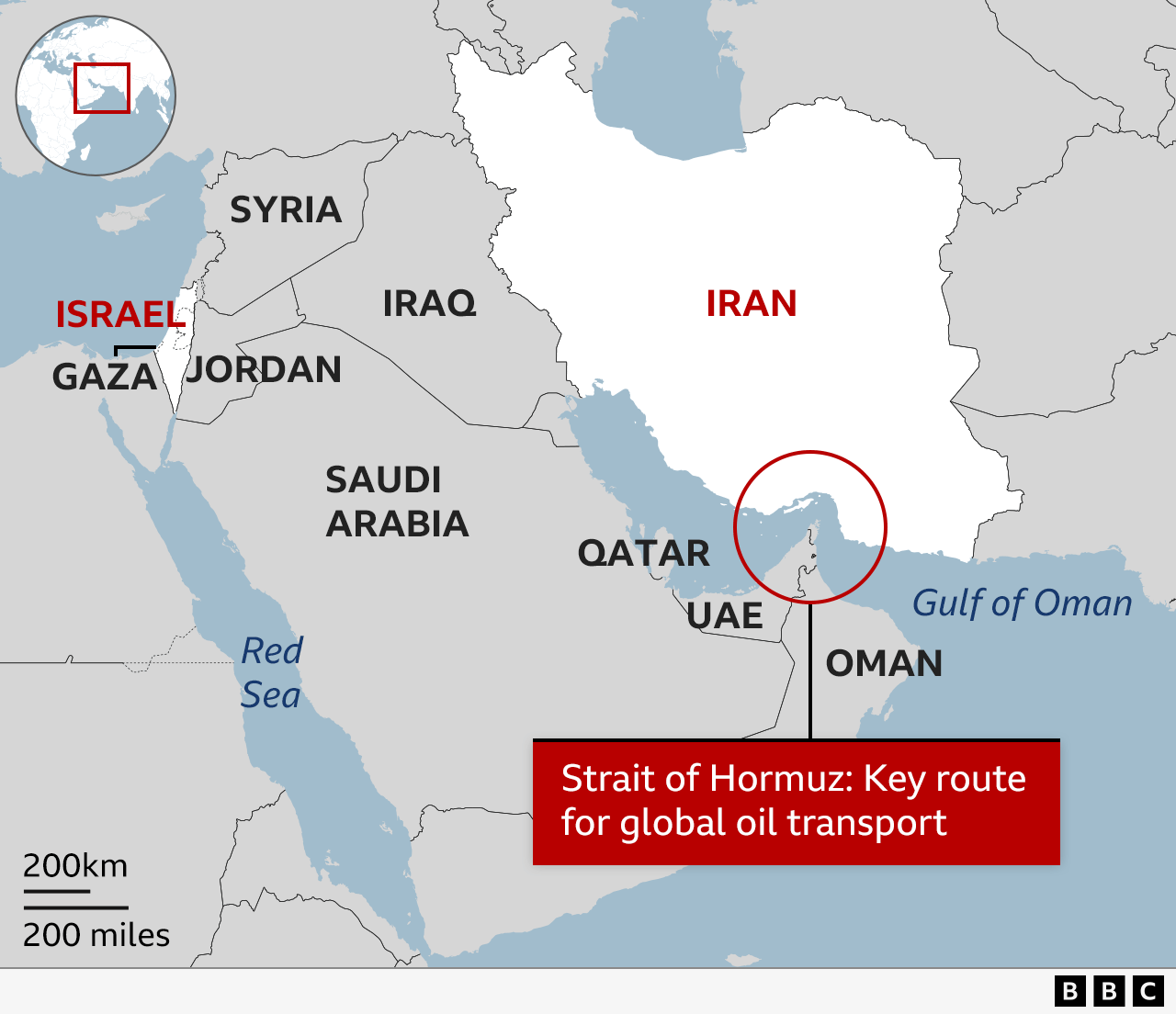
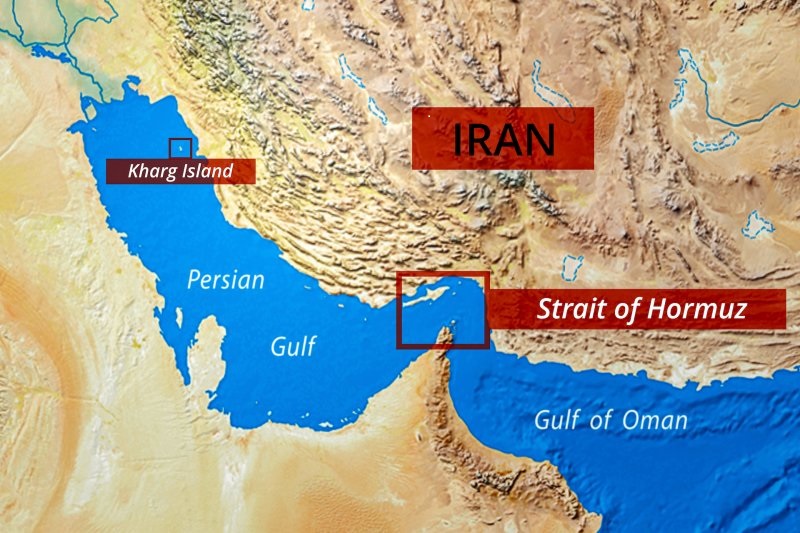
On Tuesday, oil prices advanced as mounting tensions in Iran and broader supply risks overshadowed expectations of higher Venezuelan output. Brent climbed close to $65 a barrel while WTI rose to about $60.7, supported by fears of export disruptions, tanker attacks in the Black Sea, and tougher U.S. warnings on Iran. The unrest has added a notable geopolitical premium to oil prices, pushing Brent’s spread over Middle East crude to a multi-month high.
German Wholesalers Face Weak Growth Amid Structural Challenges
German wholesalers expect only 0.7% growth in 2026 after stagnating in 2025, with many SMEs struggling due to declining industrial orders, high bureaucracy, and rising energy and labor costs. While government spending offers short-term support, the sector’s challenges reflect deeper structural issues that need long-term reforms to prevent more insolvencies and job losses.
U.S. Inflation Rises in December on Rent and Food Costs
U.S. consumer prices rose 0.3% in December, with food and rents driving the increase. Annual inflation held at 2.7%, while energy costs saw a modest rise. Economists say inflation may have peaked, supporting expectations that the Federal Reserve will keep interest rates steady, though future cuts remain possible. The data highlight ongoing cost-of-living pressures, which continue to affect households nationwide.
Angola Extends JPMorgan Debt Facility, Adds $500m
Angola has extended its $1 billion debt deal with JPMorgan to three years and secured an extra $500 million at an interest rate below 8%. The move boosted Angolan bond prices and helps the government avoid costly Eurobond borrowing. The finance ministry also plans to issue new 7- and 10-year domestic bonds. Other African countries like Senegal, Gabon, and Cameroon are using similar private financing strategies to manage debt.
Nigeria Revises Inflation Calculation After Rebase
Nigeria’s NBS will adjust its inflation calculation after last year’s rebasing could make December’s figures appear artificially high. The bureau will replace the single-month reference with a 12-month period to reflect actual price trends. Officials said the projected 30% spike for December is temporary and figures are expected to normalize from January 2026.