
Akintunde Oyedokun
Research Analyst
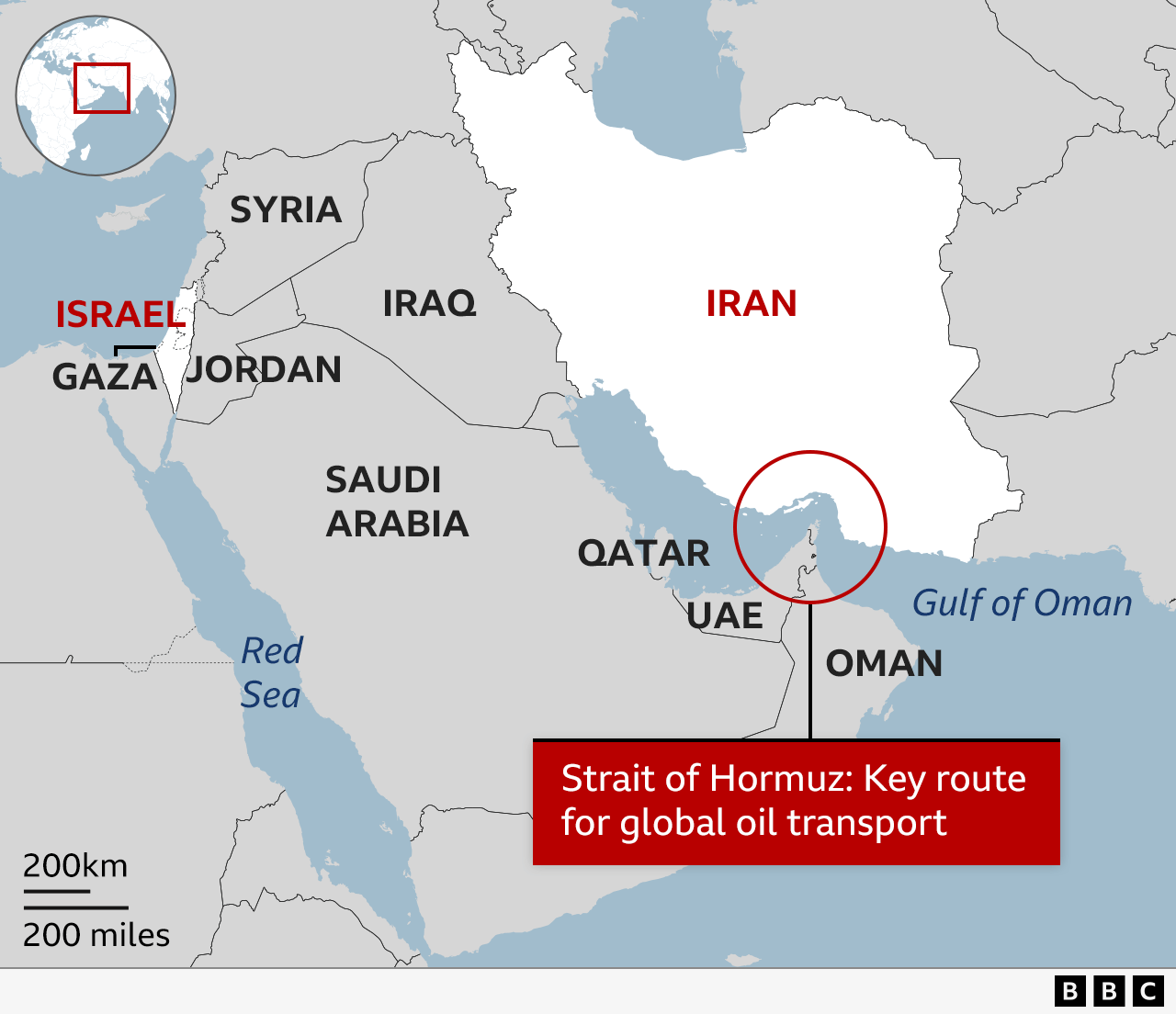
Oil prices held steady on Wednesday as renewed U.S.–Iran tensions supported the market, while broader weakness limited gains. Brent crude was around $67.38 a barrel, and U.S. WTI slipped to $63.19.
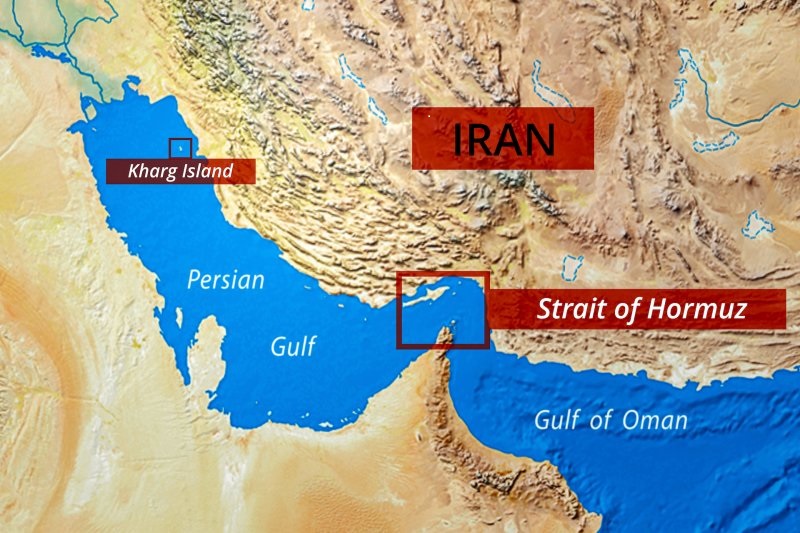
The U.S. downed an Iranian drone, and Iranian boats approached a U.S.-flagged tanker near Oman, keeping supply concerns alive. India’s Russian oil imports also fell in January, reflecting softer demand.
U.S. Private Jobs Growth Slows in January
U.S. private payrolls rose by just 22,000 in January, below expectations, as losses in professional services and manufacturing offset gains in education, health, and other sectors. Wage growth eased slightly, and markets were largely unaffected. The official January jobs report was delayed due to a federal shutdown. Economists note the labor market remains in a “low-hire, low-fire” phase, while the Fed keeps interest rates at 3.50%-3.75%, signaling stable conditions.
Canada’s Services Sector Contracts Further in January
Canada’s services sector continued to slow in January, with activity and new business declining due to trade uncertainty and U.S. tariffs. The Business Activity Index fell to 45.8, and new business dropped to 44.9, marking a 14-month streak of contraction. Inflation pressures eased as input prices fell to their lowest since September 2024. Meanwhile, the manufacturing sector showed slight growth, expanding for the first time in a year with a PMI of 50.4.
Inflation Falls To Lowest Level In Ghana Since 2021, Signalling Price Stability
Ghana’s inflation drops to 3.8% in January, its lowest since 2021, driven by falling food prices. The decline signals growing price stability and gives the Bank of Ghana room to continue easing monetary policy. Inflation remains below the 8% target as the country recovers from its recent economic crisis and prepares to complete a three-year IMF programme in August.
Nigeria’s VAT Rises to N7.73 Trillion in 2025
In 2025, VAT allocations grew 26.5% to N7.73tn, with the Federal Government getting N1.16tn, states N3.77tn, and LGAs N0.71tn. Growth was driven by higher prices, import costs, and better tax compliance, not stronger economic activity.
VAT remained concentrated in a few states and LGAs, led by Lagos, Kano, and Rivers, while many smaller states received less than N85bn, highlighting structural fiscal imbalances.