
Akintunde Oyedokun
Research Analyst
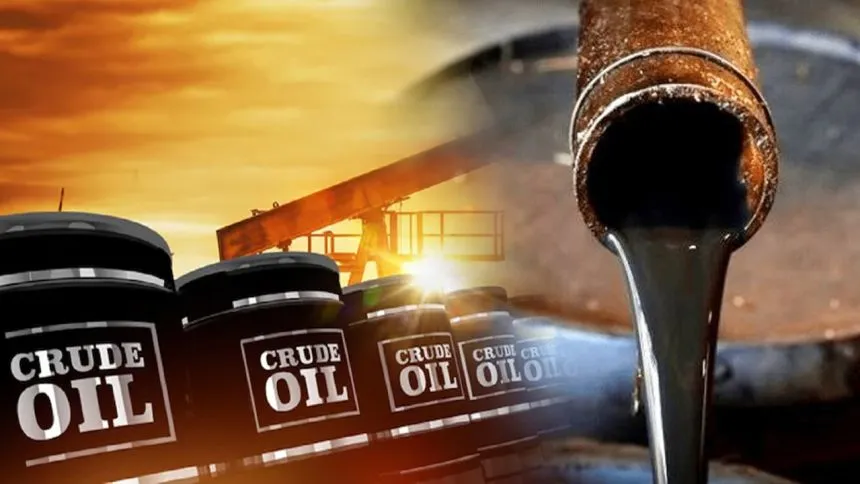
Oil prices were mostly unchanged Tuesday as markets waited on U.S.-Iran diplomacy, developments in Ukraine, and U.S. economic and inventory data. Brent settled at $68.80 a barrel, WTI at $63.96.
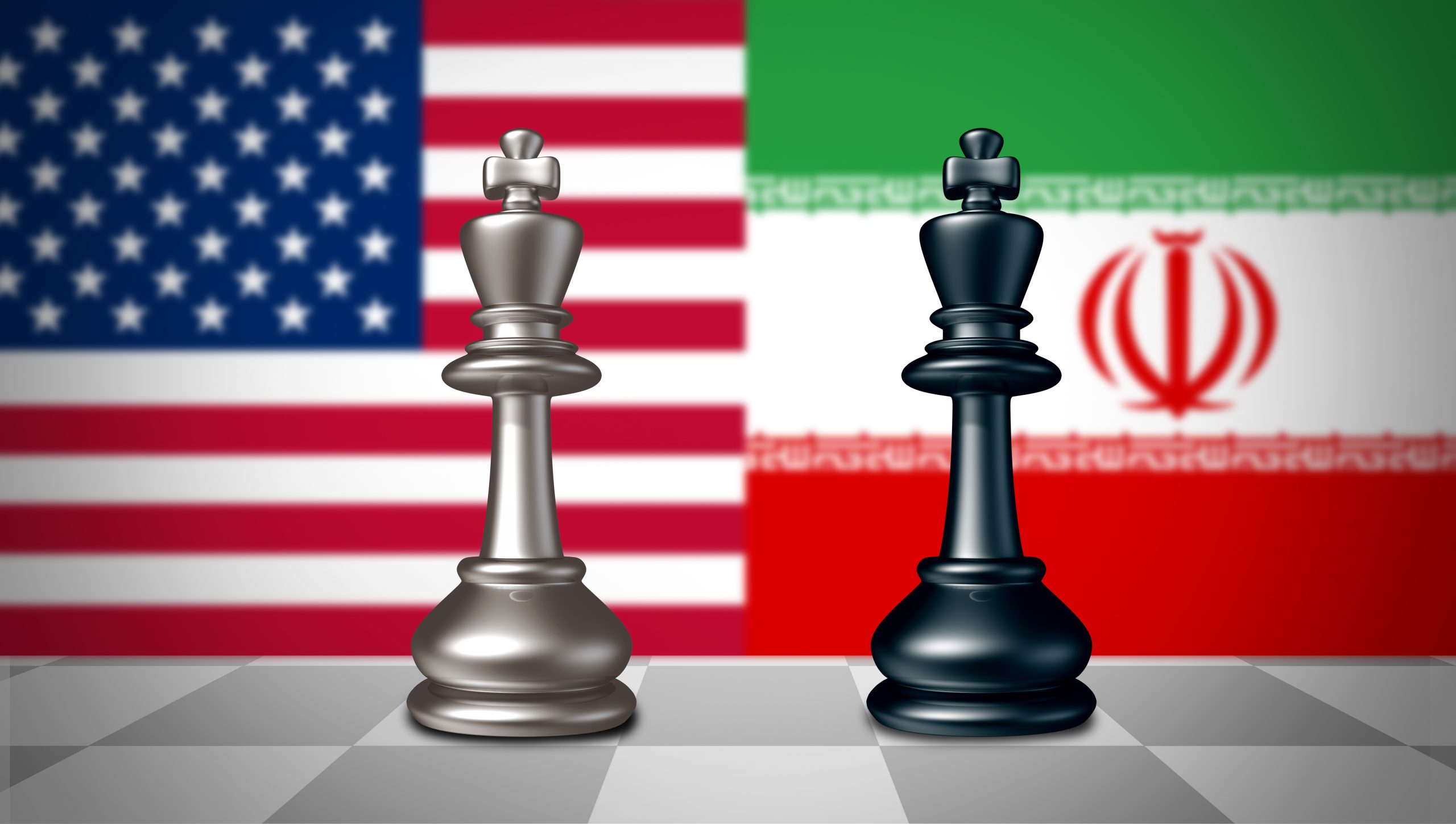
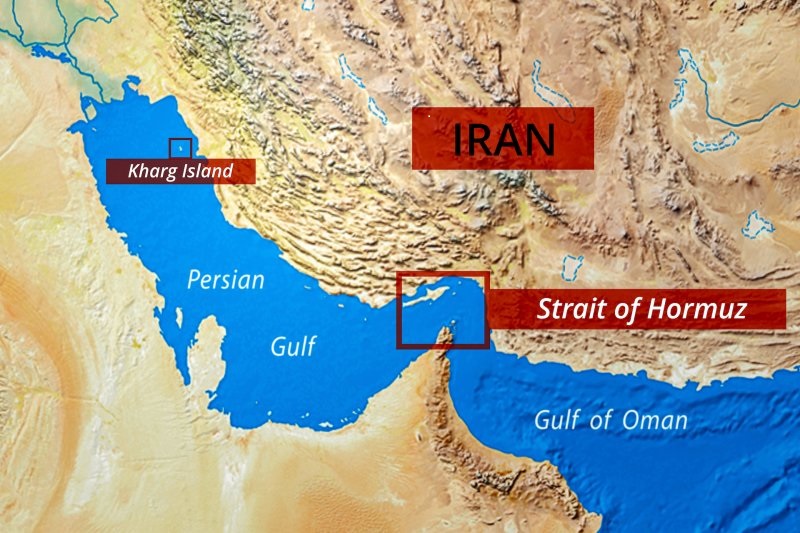
Iran said nuclear talks with the U.S. showed enough progress to continue negotiations. Meanwhile, Washington has considered seizing Iranian oil tankers but is cautious about retaliation and global market impact.
U.S. Labour Costs Slow to 4½-Year Low
U.S. labor cost growth eased in Q4, with wages rising 0.7% for the quarter and 3.3% annually, as weaker demand and fewer job openings slowed wage gains. The Employment Cost Index showed the slowest annual increase since mid-2021. Despite easing wage pressures, tariffs continue to keep inflation elevated. Economists expect the Federal Reserve to maintain interest rates through early 2026. The cooling labor market signals potential moderation in future inflation and hiring trends.
China Struggles with Weak Inflation as Consumer Prices Slow and Factory Prices Fall
China’s consumer inflation slowed to 0.2% in January, while producer prices continued to fall, reflecting weak domestic demand. Efforts to boost incomes and curb industrial overcapacity have had limited impact, and economists warn deflationary pressures may persist through 2026, though a gradual recovery in inflation is possible. Food prices, especially pork and eggs, contributed to the overall slowdown, while core inflation remained modest.
Kenya Cuts Key Lending Rate to Boost Growth
Kenya’s central bank lowered its benchmark rate to 8.75%, the 10th consecutive cut, to encourage lending and support economic growth. Inflation eased to 4.4%, within the target range, while the economy is forecast to grow 5.5% in 2026. The central bank also narrowed the interest rate corridor, aiming for cheaper financing amid steady expansion and potential drought risks.
Nigeria Sets N40.7 Trillion Revenue Target for 2026
The Nigeria Revenue Service aims to collect N40.7 trillion in 2026, a 44% increase from 2025, driven mainly by non-oil revenue growth. Strong 2025 performance was credited to internal reforms, improved compliance, and digitalization. Key revenue sources include Company Income Tax, VAT, and Development Levy, while oil revenue is expected to grow marginally.