

Akintunde Oyedokun
Research Analyst
Brent crude fell 1.4% to $67.71 per barrel on Tuesday after Iran reported progress in nuclear talks with the United States, reducing fears of escalation. U.S. WTI edged lower to $62.79.
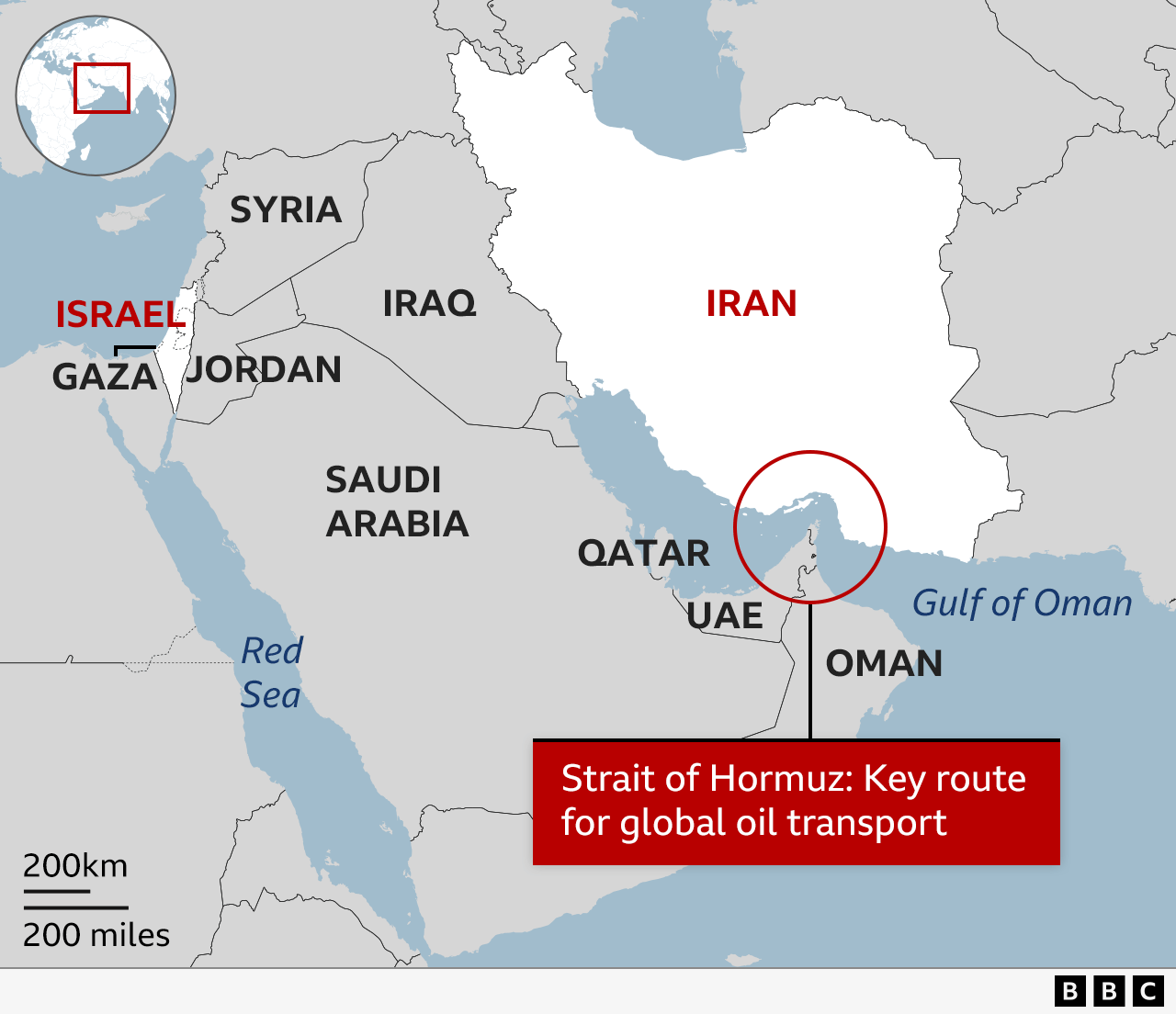
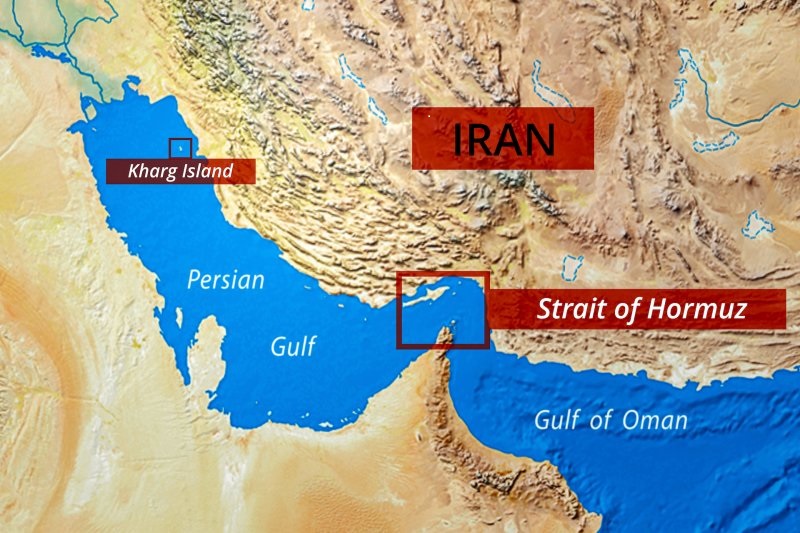
Although no final deal is in sight, diplomatic signals helped calm markets. Traders also monitored temporary restrictions in the Strait of Hormuz, renewed Russia-Ukraine talks, and recovering output at Kazakhstan’s Tengiz field, keeping prices sensitive to geopolitical shifts.
Germany’s Growth at 1% Amid Business Caution
Germany’s economy is set to grow 1% in 2026, slightly above earlier forecasts, but still lagging global peers, the German Chamber of Industry and Commerce said.
Since 2019, global growth has been 19%, the U.S. 15%, Italy 6%, and Germany just 0.2%. High costs, weak demand, and geopolitical uncertainty continue to weigh on the economy.
DIHK’s business climate index rose to 95.9, below the long-term average of 110. One in four companies expects conditions to worsen. Key risks include weak demand (59%), rising labour costs (59%), policy uncertainty (58%), and high energy prices (48%).
Investment and hiring remain cautious, while 22% of firms expect export growth. The outlook underscores the need for faster reforms.
Canada’s Inflation Slows in January
Canada’s annual inflation eased to 2.3% in January from 2.4% in December, mainly due to a sharp 16.7% drop in gasoline prices. Excluding energy, consumer prices rose 3%, with food and alcohol climbing 7.3% and 4.8% respectively. Core inflation measures also moderated, and shelter costs grew 1.7% year-on-year. The data suggest stable inflation, keeping the Bank of Canada’s policy rate at 2.25%, while markets weigh the possibility of a rate cut later in the year. This moderation in inflation may ease pressure on households facing rising living costs.
South Africa’s Unemployment Dips to Five-Year Low
South Africa’s jobless rate fell slightly to 31.4% in Q4, the lowest in over five years, supported by gains in social services, construction, and finance. Losses in trade, manufacturing, mining, and 293,000 informal jobs kept unemployment high. Broader measures including the potential labor force dropped to 42.1%, while improving electricity and logistics have yet to boost widespread hiring. Analysts say cautious business sentiment and global uncertainties continue to weigh on job creation.
FG Distributes 2,000 Tractors to Boost Food Security
The Federal Government and Bank of Agriculture have handed over 2,000 tractors to mechanised farmers under the Renewed Hope National Agricultural Mechanisation Programme (NAMP), supported by Heifer International.
Tractors are provided via a lease-to-own model, each serving around 600 hectares and benefiting 1.2 million farmers. The programme also includes 9,000 farming implements, technical support, and digital tracking, aiming to strengthen food security, create jobs, and empower youth- and women-led agribusinesses.