
Akintunde Oyedokun
Research Analyst
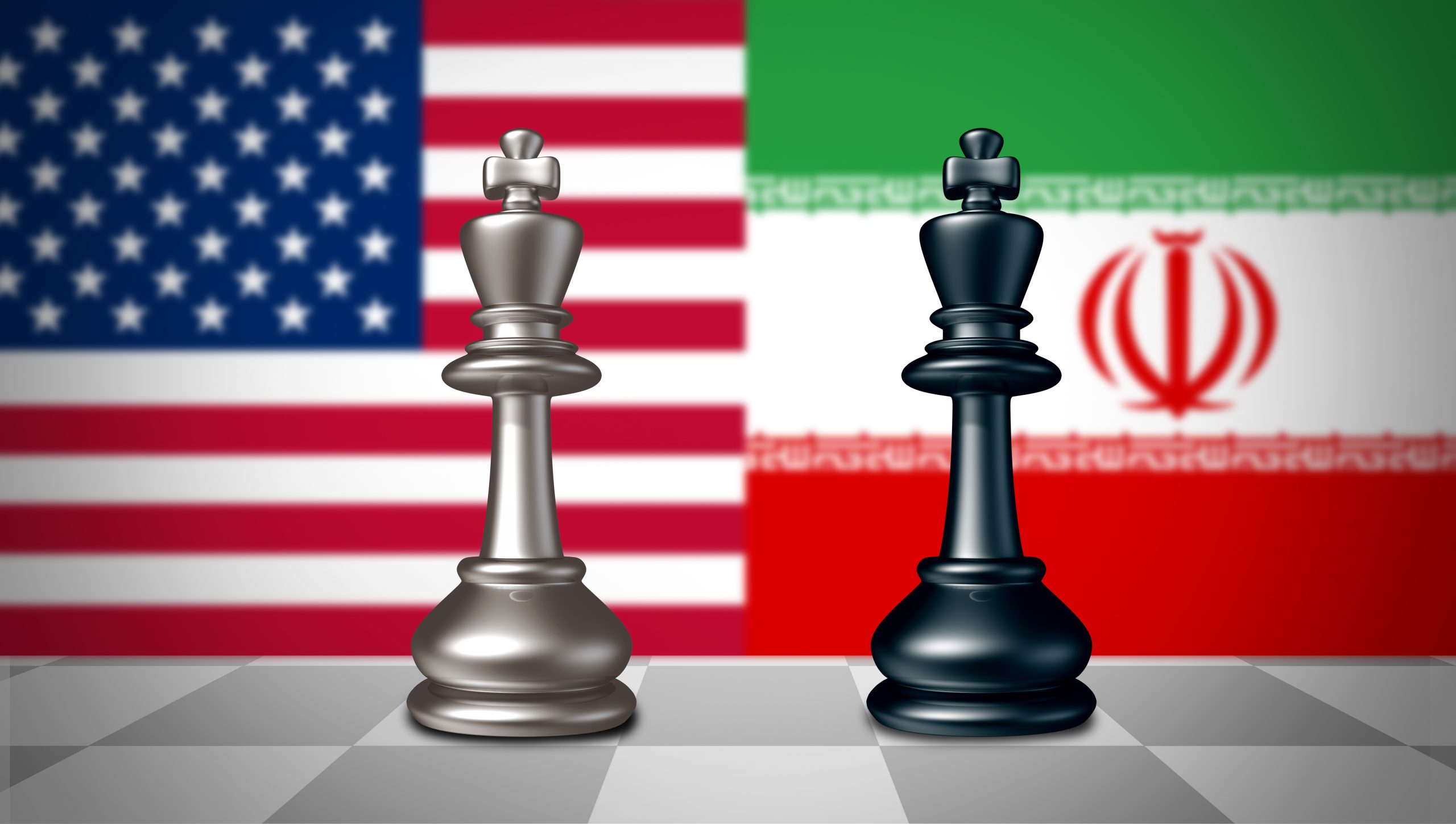
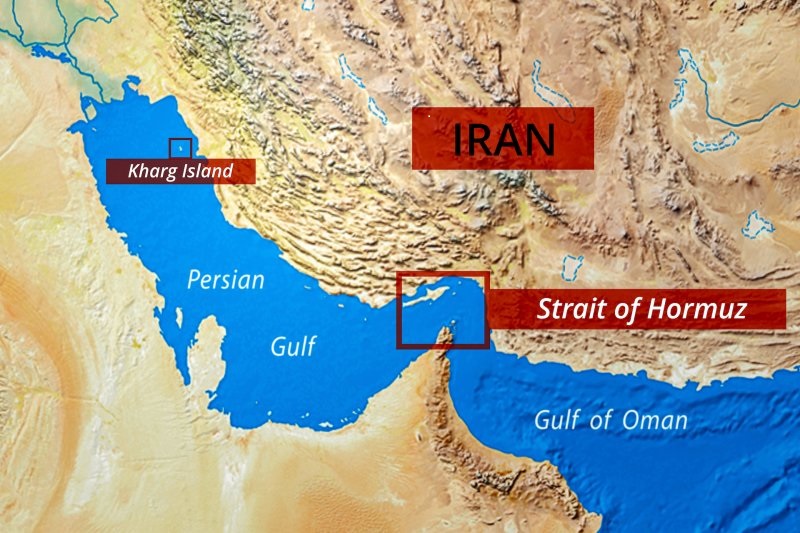
Oil prices climbed to a six-month high as investors monitored geopolitical tensions ahead of new U.S.–Iran nuclear talks and uncertainty over U.S. trade policy. Brent crude rose 62 cents to $72.38 per barrel, while U.S. WTI gained 69 cents to $67.17.
The increase followed last week’s more than 5% Brent surge on fears of possible U.S.–Iran conflict. Market sentiment was also influenced by trade developments after the U.S. Supreme Court struck down parts of former President Donald Trump’s tariff programme, keeping global oil prices volatile.
Germany Business Confidence Hits Highest Level Since August
Business morale in Germany improved in February as the Ifo business climate index rose to 88.6, the highest since August and slightly above market expectations. The rise reflected better assessments of current conditions, stronger business outlooks, and a recovery in manufacturing orders and private sector activity. The economy is showing early recovery signals, though risks from trade uncertainty, currency strength, and seasonal weather effects remain. Overall, the index suggests a gradual improvement in business sentiment.
U.S. Factory Orders Slip 0.7% as Aircraft Demand Drops
Factory orders in the United States declined 0.7% in December, largely due to a 24.8% fall in commercial aircraft bookings, according to the United States Census Bureau. However, orders for electronics, machinery, and metal products rose, supported partly by stronger investment linked to artificial intelligence.
The data signals steady business spending despite ongoing trade and tariff uncertainties.
Uganda Eyes Rail Link to Tanzania for Mineral Export Expansion
Uganda plans to connect a new railway line to Tanzania’s network to create an alternative export route for minerals like gold, copper, and iron ore, targeting the Port of Dar es Salaam. The line would run from Uganda’s southern border region to Mpondwe near the border with the Democratic Republic of the Congo.
The African Development Bank is considering funding early studies, depending on project feasibility.The project is expected to boost regional trade and cut transportation costs.
Nigeria Targets Up To 5% Of GDP For Industrial Financing
The Nigerian government plans to allocate up to 5% of Nigeria’s GDP to industrial financing under the Nigeria Industrial Policy (NIP) 2025 released by the Federal Ministry of Industry, Trade and Investment. The policy seeks to boost manufacturing, exports, and job creation through public–private partnerships. It also includes recapitalising the Bank of Industry to about N3 trillion by 2026 while promoting local production and value addition. The plan targets raising manufacturing’s contribution to Nigeria’s GDP to 20%–25% by 2030.