

Akintunde Oyedokun
Research Analyst
Oil stayed close to multi-month highs on Wednesday as Middle East supply risks supported prices, though reports of possible U.S.–Iran talks via the The New York Times and the Central Intelligence Agency limited gains.
Brent crude rose 0.3% to $81.67 per barrel, while WTI fell 0.7% to $74.03. Market sentiment was supported by conflict risks around the Strait of Hormuz and comments from Donald Trump about potential tanker escorts. U.S. crude inventories also increased more than expected last week.
Germany Services Activity Reaches 4-Month High
Business activity in the services sector of Germany rose to a four-month high in February as stronger demand and new business inflows, including solid export orders, pushed the PMI to 53.5, signalling expansion. Despite the upbeat momentum, employment declined for the second straight month as firms trimmed jobs to manage high staff costs, though price pressures eased slightly. The private sector also strengthened overall, with the composite PMI climbing to 53.2, according to S&P Global and Hamburg Commercial Bank.
U.S. Services Activity Rises to 3½-Year High
U.S. services sector activity climbed in February to its strongest level since 2022, driven by robust demand and new business. The Institute for Supply Management services PMI increased to 56.1 from 53.8 in January, signalling solid expansion. The reading supports expectations for stronger first-quarter growth, though Middle East tensions may push up energy prices and heighten market volatility. Analysts at Goldman Sachs warned that higher oil prices could slightly slow 2026 GDP growth, while Wells Fargo said sustained oil price gains may add to inflation pressure. New orders and export demand improved, but services employment remained a weak labour signal.
South Africa’s Private Sector Activity Stalls in February
South Africa’s private sector activity remained flat in February, with the PMI holding at 50.0 for the second straight month, according to S&P Global. While output was stable, declining sales and weak new orders weighed on business confidence, which fell to its lowest level since July 2021. Firms increased hiring slightly, while moderate input costs—supported by a stronger rand and lower fuel prices—allowed businesses to cut selling prices. Inventory levels continued to decline as companies remained cautious.
Nigeria’s Crude Rises Above $80 Amid Middle East Tensions
Nigerian crude oil prices climbed above $80 per barrel after U.S. and Israeli strikes on Iran heightened tensions in the Middle East, surpassing the Federal Government’s $64.85 benchmark for the 2026 budget.
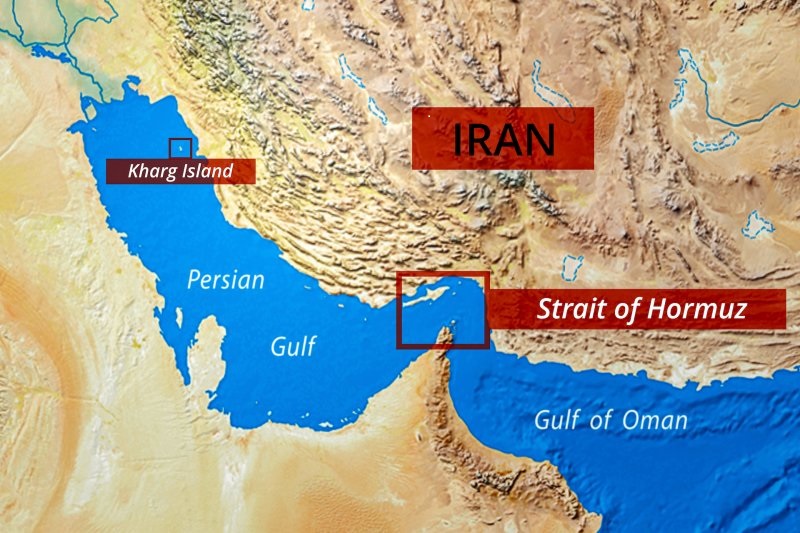
Brent crude reached about $83 per barrel, the highest since mid-2024, as fears grow that the conflict could disrupt oil flows through the Strait of Hormuz, which handles nearly 20% of global supply.
While the price surge may support Nigeria’s revenue, the country still produces below its OPEC quota, and sustained high oil prices could raise global inflation and energy costs.