

Akintunde Oyedokun
Research Analyst
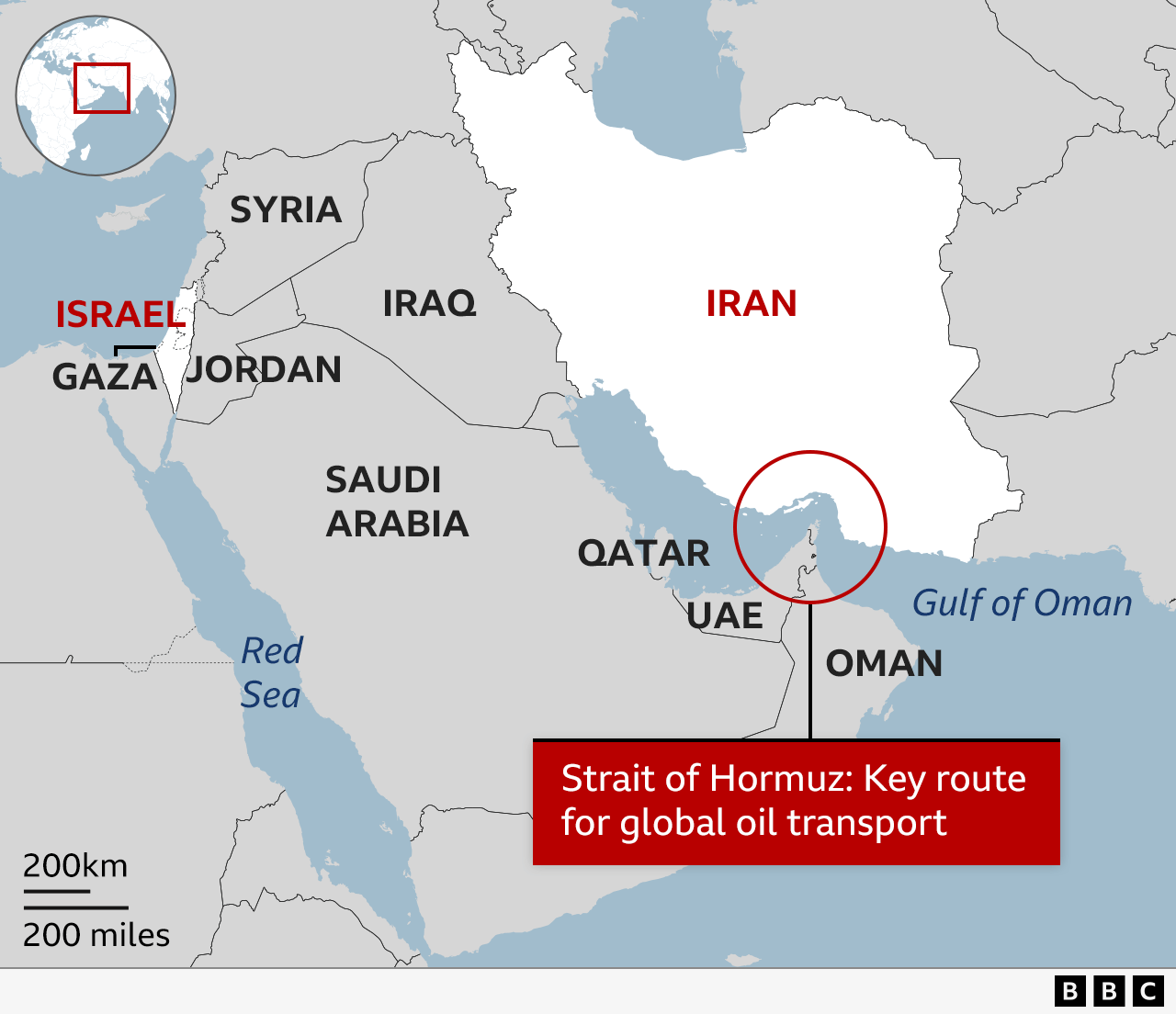
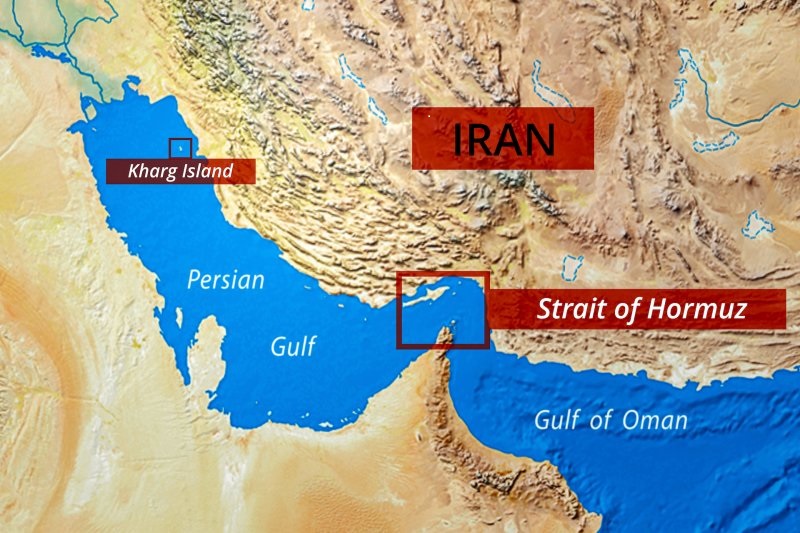
Oil prices rose about 9% on Thursday as Iran intensified attacks on oil and transport facilities across the Middle East, heightening fears of supply disruptions around the Strait of Hormuz.
Brent crude climbed 8.8% to $100.03 per barrel, while U.S. West Texas Intermediate gained 9.2% to $95.25. The rally followed tanker attacks in Iraqi waters that forced Iraq to halt oil port operations, while Oman moved vessels away from its Mina Al Fahal export terminal.
The International Energy Agency said the conflict has cut Gulf output by about 10 million barrels per day.
Canada’s Trade Deficit Widens as Auto Exports Plunge
Canada’s trade deficit surged to C$3.65 billion in January, driven by a sharp 21.2% drop in motor vehicle and parts exports due to seasonal production stoppages. Overall exports fell 4.7%, while imports declined 1.1%. Trade with the U.S., Canada’s largest partner, weakened, and exports to other countries also fell, partly from lower gold shipments to the U.K. Higher energy exports provided some offset. Analysts expect trade to improve in coming months as auto production resumes and oil prices remain strong.
U.S. Trade Deficit Shrinks as Exports Hit Record High
In January, the U.S. trade deficit fell 25.3% to $54.5 billion, driven by record-high exports of $302.1 billion and a slight drop in imports to $356.6 billion. Goods exports jumped 8.1%, led by industrial supplies and capital goods, while consumer goods exports, particularly pharmaceuticals, fell. Imports of consumer goods and vehicles declined, though capital goods imports reached a record high. Services exports rose to $106.7 billion, offset slightly by lower travel revenue.
South Africa’s Manufacturing Shows Monthly Gain Despite Annual Decline
South Africa’s manufacturing sector recorded a 0.7% decline in output year-on-year in January, improving slightly from December’s 1.5% annual drop, according to data released by the national statistics agency on Thursday. On a monthly basis, factory production rebounded by 1.5% in January, reversing December’s 1.3% month-on-month contraction, signaling tentative signs of recovery in the industrial sector.
Nigeria’s Crude Oil Output Drops to 1.31mbpd in February, Missing OPEC Quota
Nigeria’s crude oil production declined to 1.31 million barrels per day in February 2026, according to the Organization of the Petroleum Exporting Countries, representing a 10.69% drop from 1.45 million bpd recorded in January.
The output fell short of Nigeria’s OPEC quota of 1.5 million bpd by about 190,000 bpd, largely due to ongoing operational and security challenges in the oil sector.
Despite the decline, Nigeria remained Africa’s largest oil producer, ahead of Libya. The shortfall, however, could limit the country’s ability to fully benefit from higher global oil prices and strengthen government revenue.