

Akintunde Oyedokun
Research Analyst
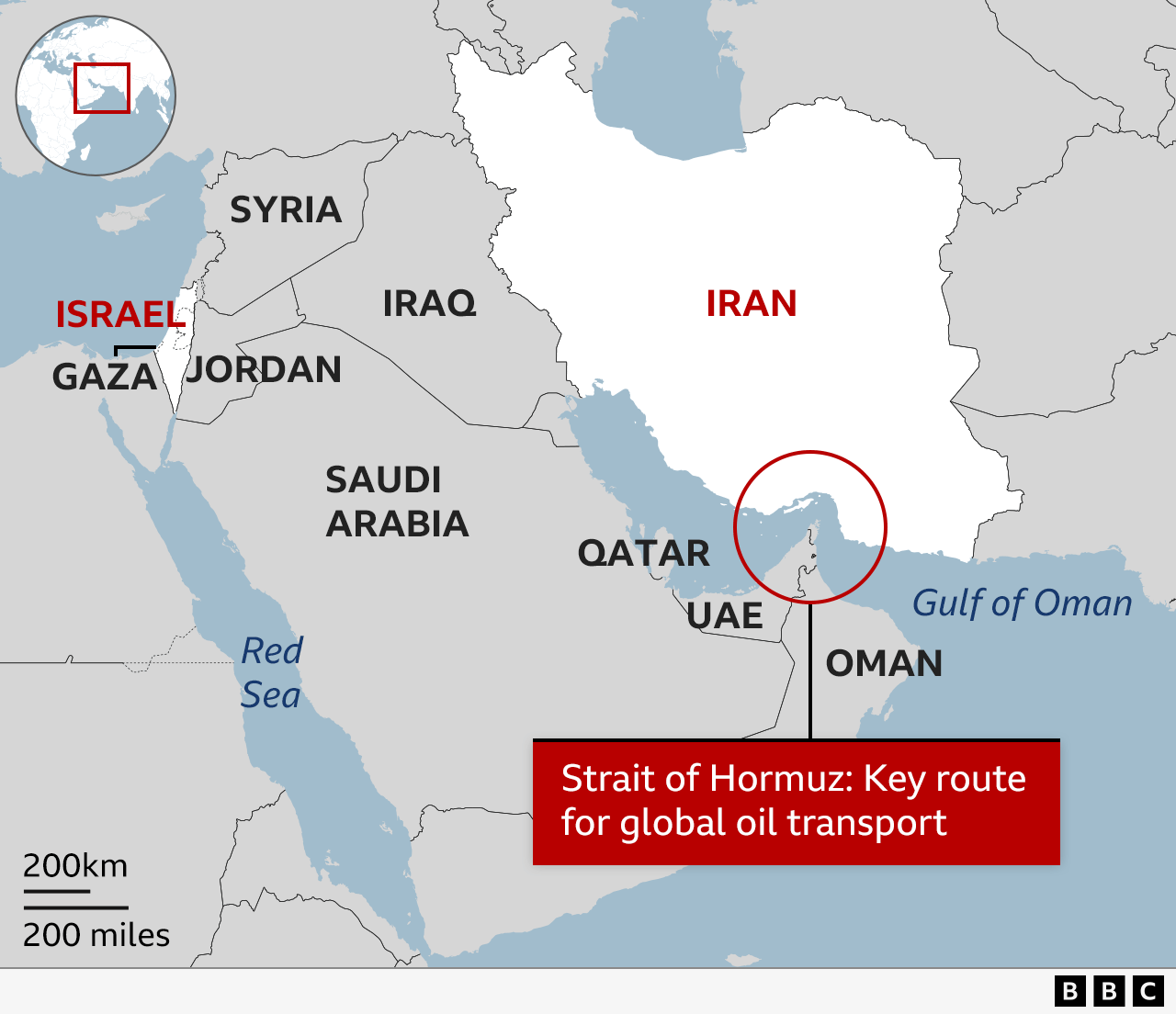
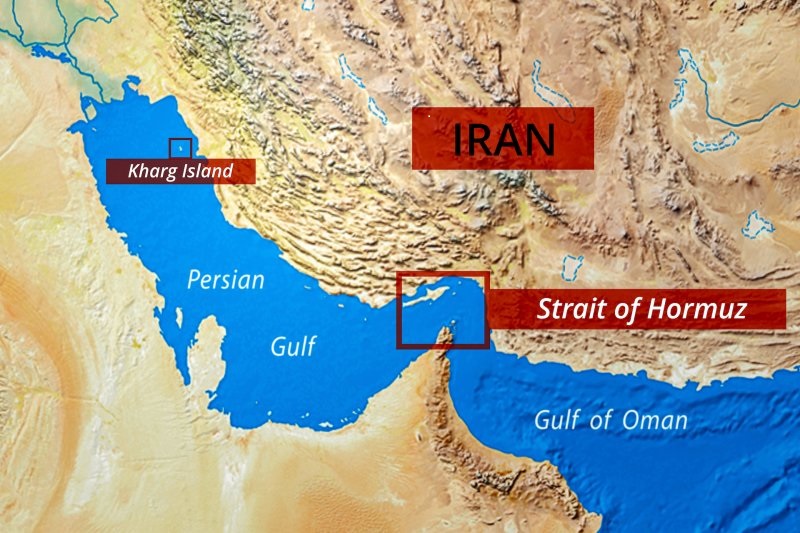
Oil prices declined on Monday as attacks on Gulf oil facilities and efforts to reopen the Strait of Hormuz pressured the market.
Brent crude fell 92 cents to $102.22 per barrel, while U.S. West Texas Intermediate dropped $3.45 to $95.26, despite both benchmarks gaining over 40% this month amid Middle East tensions.
Oil output in the United Arab Emirates has dropped sharply after ADNOC shut some facilities following a drone attack at the Fujairah export terminal, though some loading operations have resumed.
Canada’s Inflation Slows to 1.8% Amid Temporary Tax Effects
Canada’s inflation slowed to 1.8% in February from 2.3% in January, mainly due to base effects from prior tax changes. Monthly prices rose 0.5%, while core inflation held at 2.3%.
Food prices remained a concern, rising 5.4% year-on-year, continuing to pressure households. The Bank of Canada kept its rate at 2.25% as inflation stays near target, though rising oil prices may influence the outlook.
The Canadian dollar edged higher while bond yields declined following the data.
U.S. Factory Output Edges Up as Tariffs and Rising Oil Prices Weigh on Growth
U.S. factory output rose 0.2% in February after 0.8% in January, with annual growth at 1.3%, but tariffs, rising costs, and job losses continue to weigh on the sector. Gains in autos (+1.7%) and tech were partly offset by a 1.2% drop in machinery.
Mining output increased 0.8%, while utilities fell 0.6%. Overall industrial production rose 0.2%, with capacity utilization at 76.3%, below average.
Homebuilder sentiment edged up to 38, remaining weak amid high mortgage rates and rising costs.
Middle East Tensions Threaten Ghana’s Inflation Outlook
Ghana’s inflation outlook faces fresh risks as the U.S.-Israeli conflict with Iran could drive up oil prices and tighten global financial conditions, central bank governor Johnson Asiama said.
The central bank has been cutting interest rates since July 2025 as inflation eased, but policymakers remain cautious ahead of the March 18 decision.
Asiama warned that the conflict could slow recent economic progress, though rising gold prices may offer some relief for Africa’s leading gold producer. He stressed that while inflation has improved, existing risks will shape the committee’s next move.
Nigeria’s Inflation Edges Lower As Food Costs Rise
Nigeria’s headline inflation fell marginally to 15.06% in February from 15.10% in January, marking the 11th consecutive monthly slowdown, the National Bureau of Statistics (NBS) reported Monday.
Food inflation—the main driver of prices—rose to 12.12% from 8.89% in January. The NBS now uses a 12-month reference period in its calculations.
The Central Bank of Nigeria cites past monetary tightening, exchange rate stability, and improved food supply as factors helping to ease inflation.