

Akintunde Oyedokun
Research Analyst
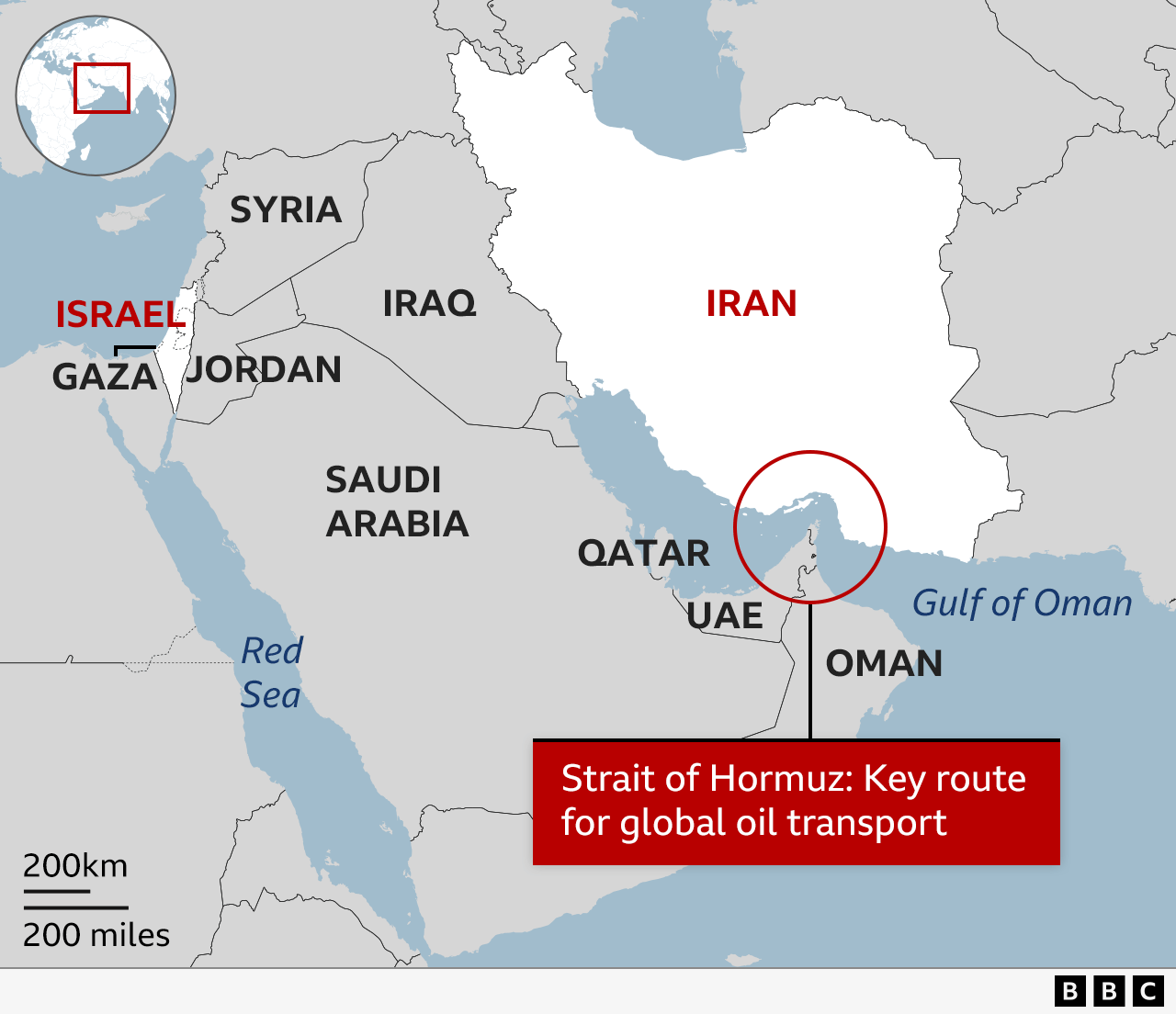
Oil prices surged on Friday to a four-year high as tensions in the Middle East intensified, raising concerns over supply disruptions. Iraq halted some oil operations, while the conflict involving Iran and increased U.S. military presence added to market uncertainty.
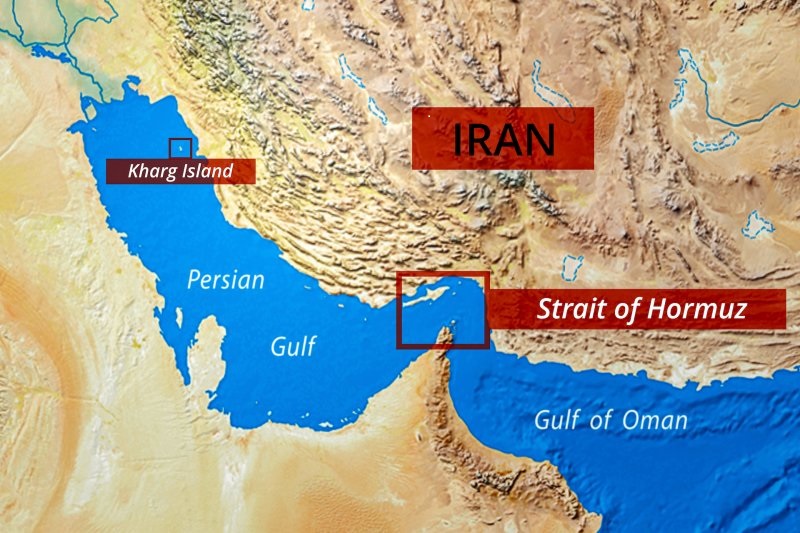
Brent settled at $112.19, with U.S. crude near $98. Ongoing risks around the Strait of Hormuz continue to pressure global oil supply and support higher prices.
The rally reflects growing fears of prolonged supply shortages in the global energy market.
Taiwan Export Orders Miss Forecast as AI Demand Slows
Taiwan’s export orders rose 23.8% in February to $63.88 billion, missing expectations despite a 13th straight monthly gain, as AI and tech demand eased amid geopolitical tensions.
Telecoms orders jumped 55.2% and electronics rose 26.2%. U.S. demand increased 45.1% and Japan 17.8%, while Europe fell 5.6% and China dipped 0.2%.
March orders are projected to grow between 38% and 42%, though trade and geopolitical risks remain.
ECB Flags Inflation Risks as Markets Price in Possible Rate Hikes
The European Central Bank kept rates unchanged but warned inflation could rise above its 2% target, with projections at 2.6% due to energy shocks from the Iran conflict.
While policymakers remain cautious, April is still seen as possible if tensions persist, with decisions to stay data-driven.
Markets now price in more than two rate hikes in 2026 starting June. Barclays and J.P. Morgan expect an April move, followed by June and July hikes, while Morgan Stanley forecasts 25-basis-point increases in June and September.
South Africa Hits Chinese, Thai Steel With High Tariffs
South Africa has imposed heavy tariffs on structural steel from China (74.98%) and Thailand (20.32%) after finding evidence of dumping. The move targets steel mainly used in construction and follows a 2024 provisional duty.
The trade watchdog said cheap imports were harming local producers. Imported steel makes up 36% of consumption, with China supplying 73%, forcing some mills, including ArcelorMittal South Africa, to close.
The tariffs aim to protect the local steel industry and stabilize domestic production.
Cocoa Price Crash Hits Farmers in Nigerian States Of Ondo, Osun, Ekiti
Cocoa farmers in Ondo, Osun, and Ekiti are struggling as prices fall over 70%, from N14,500 to around N2,000–N2,500 per kilogram, while costs remain high. Dealers and young farmers are hardest hit.
Experts cite global market corrections, weak chocolate demand, and higher West African production. The Ekiti government is supporting farmers with seedlings, subsidies, and irrigation pumps.
Without market recovery, many Nigerian cocoa farmers may abandon their plantations.