

Akintunde Oyedokun
Research Analyst
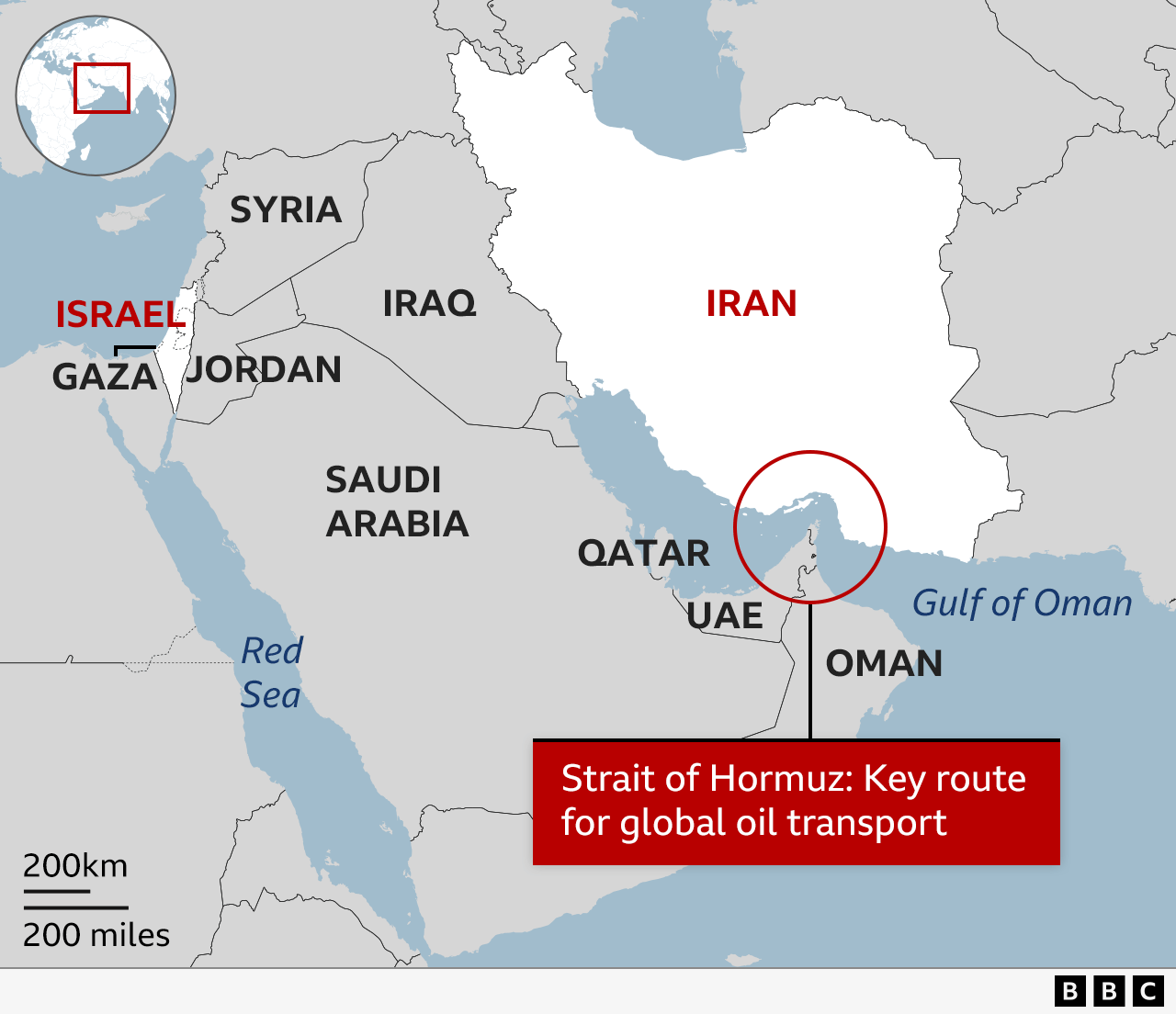
Oil prices rose Tuesday as supply concerns lingered and Iran dismissed claims by Donald Trump that talks to end the Gulf conflict were underway.
Brent gained 1.8% to $101.77 per barrel, while WTI climbed 2.5% to $90.34, recovering from Monday’s sharp decline after the U.S. delayed planned strikes on Iran.
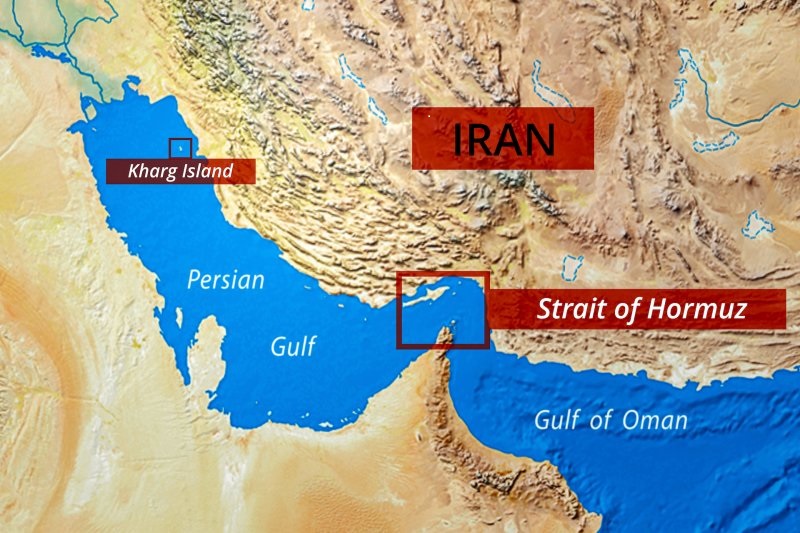
Disruptions in the Strait of Hormuz continue to tighten supply, keeping markets volatile, with analysts warning prices could surge further if the situation persists.
France’s Private Sector Slumps Sharply Amid Weakening Demand
France’s private sector shrank sharply in March, hit by weak demand, Iran war-related supply issues, and election caution. The S&P Global Flash Composite PMI fell to 48.3, signaling contraction.
Services hit a five-month low, manufacturing returned to decline, and new business dropped sharply. Input costs rose and supplier delays increased, while business confidence fell amid inflation and demand concerns linked to the Middle East conflict.
UK Business Growth Slows As Costs Surge Amid Middle East Tensions
UK business activity slowed to a six-month low in March, while manufacturers’ input costs rose at the fastest pace since 1992, S&P Global data showed. The composite PMI dropped to 51.0 from 53.7 in February.
Rising fuel, transport, and energy prices, linked to the Middle East conflict, pushed costs higher and weighed on growth. Economists warn inflation could rise further as the situation unfolds.
The eurozone saw a milder slowdown, with its PMI dipping to 50.5 from 51.0.
South Africa’s Consumer Confidence Rises Slightly, But Risks Loom
South Africa’s consumer confidence improved slightly in Q1, with the index rising to -7 from -9, driven by stronger sentiment among high-income earners.
However, economists warn that Middle East tensions could reverse gains in the coming months. While lower interest rates and market gains supported wealthier households, confidence among low-income groups weakened due to poor job growth and tighter social grant rules.
The central bank is expected to weigh these mixed signals in its upcoming interest rate decision.
Nigeria’s Power Woes Deepen as Hydro Output Falls, DisCos Face Cash Crunch
Sunday Oduntan of the Association of Nigerian Electricity Distributors says weak hydro generation has increased reliance on gas plants, worsening outages.
The Nigerian Independent System Operator blames gas shortages for low output, while a ₦20.33 billion refund order by the Nigerian Electricity Regulatory Commission adds pressure on DisCos.
He stressed that improving generation and payment discipline is key to stabilising the power sector.