

Akintunde Oyedokun
Research Analyst
Oil prices fell about 5% on Wednesday after reports that the U.S. предложed a 15-point plan to Iran, raising hopes of ending the conflict despite ongoing airstrikes.
Brent crude dropped to $98.41, while WTI fell to $87.26, reversing earlier gains amid continued market volatility. Iran denied direct talks, keeping uncertainty high.
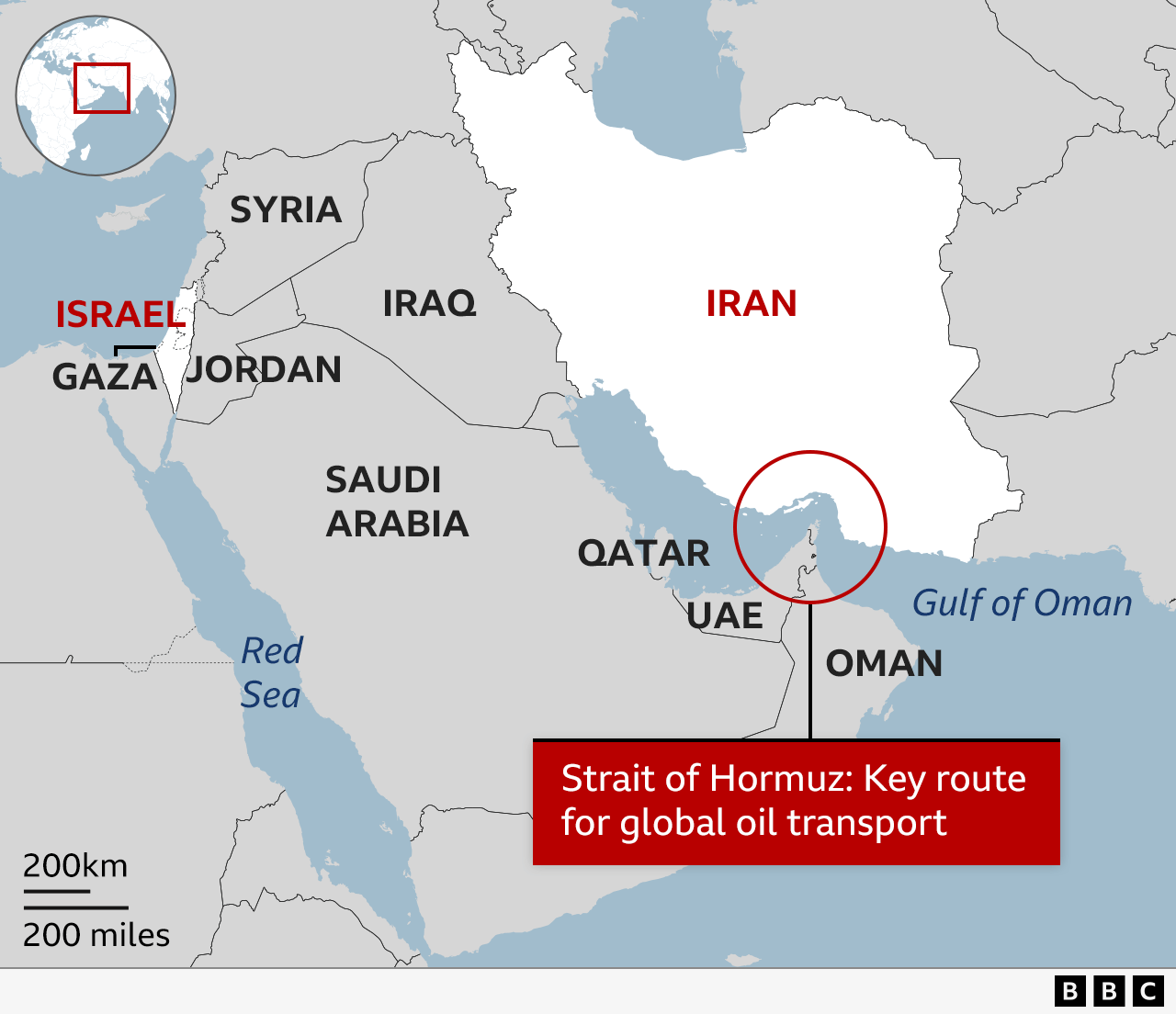
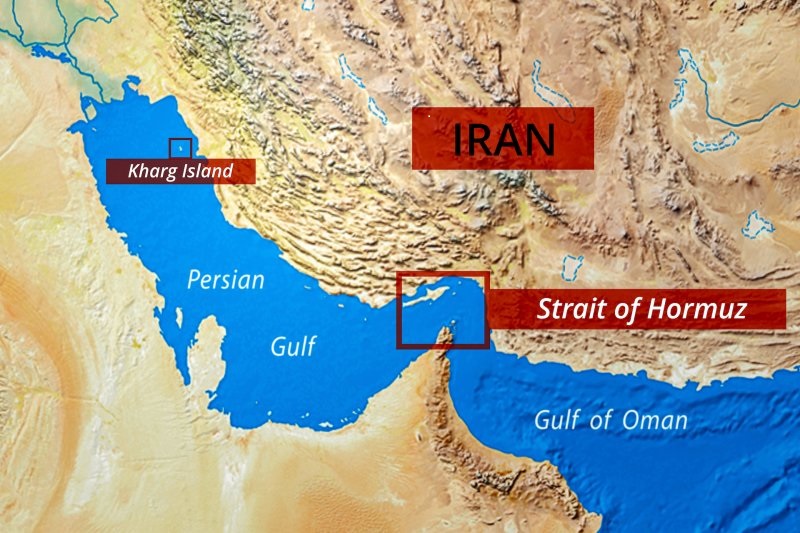
Disruptions in the Strait of Hormuz remain a key concern, with supply losses tightening the market. Prices are expected to stay volatile as geopolitical tensions drive sentiment.
UK Inflation Steady at 3% Amid Rising Energy Risks
UK inflation held at 3.0% in February, unchanged from January, as lower fuel prices offset higher clothing costs. Rising oil prices and Middle East tensions, however, threaten to push inflation higher.
Core inflation rose slightly to 3.2%, showing persistent underlying price pressures, while services inflation eased to 4.2%, the lowest since March 2022. Public inflation expectations surged, complicating the Bank of England’s outlook and keeping markets uncertain about future rate moves.
U.S. Import Prices Surge Most in Four Years Amid Energy Spike
U.S. import prices rose 1.3% in February, the largest monthly increase in four years, driven by higher energy, food, and consumer goods costs, along with record gains in imported capital goods from AI and data center investments.
Year-on-year, import prices also climbed 1.3%, the biggest annual rise since February 2025. Rising oil, fertilizer, and tariffs are expected to add further pressure on prices in the coming months.
The surge highlights growing inflationary risks for U.S. consumers and businesses alike.
Uganda Targets Oil Production Start, Eyes $587m Revenue Boost
Uganda’s 1,443-kilometre East African Crude Oil Pipeline will run from its western oilfields to Tanzania’s Tanga port on the Indian Ocean.
Following years of delays, the country expects to begin commercial oil production in the second half of the year, led by operators TotalEnergies and CNOOC.
The government projects oil export earnings of about 2.2 trillion Ugandan shillings ($587 million) in the 2026/2027 fiscal year.
Nigeria’s Capital Inflows Rise to $6.44bn in Q4 2025 on Strong Portfolio Investments
Nigeria’s capital importation rose to $6.44 billion in Q4 2025, up 26.6% year-on-year and 7.1% quarter-on-quarter, according to official data.
Portfolio investments dominated inflows with over 85%, while foreign direct investment remained low. The banking sector attracted the largest share, reflecting strong investor preference for short-term financial assets.
The United Kingdom led as the top source of funds, followed by the United States and South Africa, highlighting continued reliance on global financial hubs