

Akintunde Oyedokun
Research Analyst
Oil surged above $100 on Monday after the U.S. Navy announced a blockade of Iranian-linked shipping.
Brent rose $6.52 (+6.9%) to $101.72, while WTI gained about $7 (+7.2%) to $103.55, reversing Friday losses of 0.75% and 1.33%.
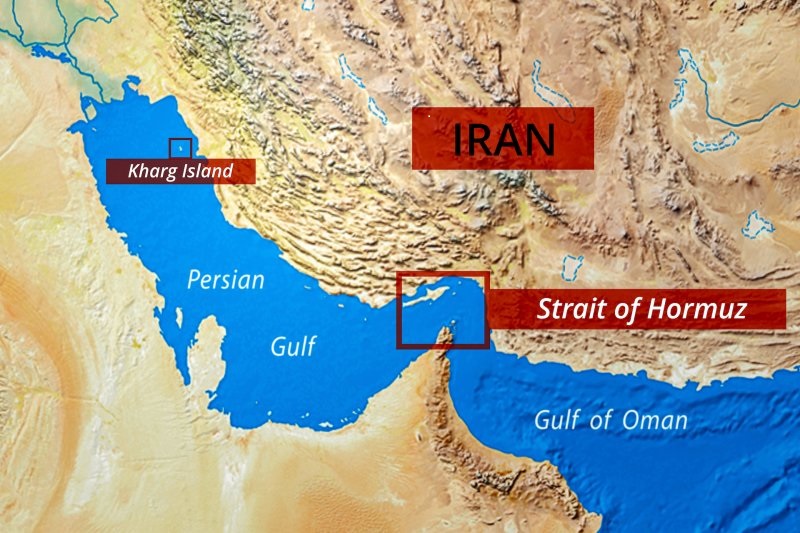
The move, starting 10 a.m. ET (1400 GMT), targets vessels entering and leaving Iranian ports, with Iran warning of retaliation over the Strait of Hormuz.
OPEC cut Q2 demand by 500,000 bpd, while OPEC+ output averaged 35.06 million bpd in March, down 7.7 million bpd. Some crude grades neared $150 per barrel as shipping disruptions intensified.
India Inflation Edges Up to 3.4% as War, Weak Monsoon Risks Loom
India’s inflation rose slightly to 3.4% in March, still below the 4% target, as risks from Middle East tensions and a weak monsoon outlook persist.
Rising oil prices remain a concern for the import-dependent economy, despite recent fuel tax cuts. The central bank warned that higher crude could lift inflation and slow growth, projecting 6.9% GDP growth and 4.6% inflation.
Food inflation increased to 3.87%, while gold and silver prices surged, pointing to ongoing cost pressures.
China Export Growth Seen Slowing in March as Middle East War Clouds Outlook
China’s export growth likely eased to 8.6% year-on-year in March, down from 21.8% earlier, as the Middle East conflict disrupted global demand and triggered an energy shock.
Strong AI-driven demand for chips and servers offered some support, but rising costs and uncertainty weighed on sentiment. Forecasts vary widely, with estimates ranging from 3% to 24% growth.
Imports are seen rising 11.2%, while the trade surplus is expected to shrink to $108 billion from $214 billion in January–February, reflecting softer momentum.
Botswana Deepens Oman Ties with Mining, Energy, and Infrastructure Deals
Botswana has signed key agreements with Oman covering mineral exploration, oil storage, and renewable energy to reduce its reliance on diamonds.
President Duma Boko oversaw the deals, including plans to explore untapped areas covering about 70% of the country for minerals like copper, gold, and iron ore, as diamond revenues decline.
A 500MW solar plant is also planned to lift renewable energy share from 8% to 50% by 2030, alongside joint oil storage projects in Namibia and Botswana.
The move aligns with both nations’ efforts to diversify their economies.
Nigeria’s Mining Sector VAT Hits N686.96bn in 2025 Amid Improved Compliance
Nigeria’s mining sector generated N686.96 billion in VAT in 2025, up from N556.19 billion in 2024, reflecting improved compliance, according to NBS data.
Collections were steady across the year, peaking at N187.59 billion in Q1 and closing at N167.90 billion in Q4.
Despite the growth, the sector contributes less than 5% to GDP due to illegal mining, weak infrastructure, and policy gaps. However, recent tax reforms and improved revenue administration are supporting stronger performance.