
Akintunde Oyedokun
Research Analyst
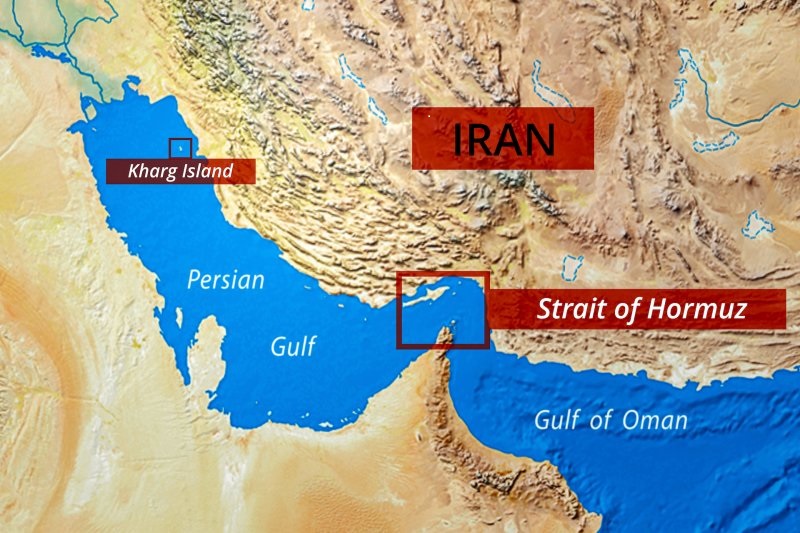
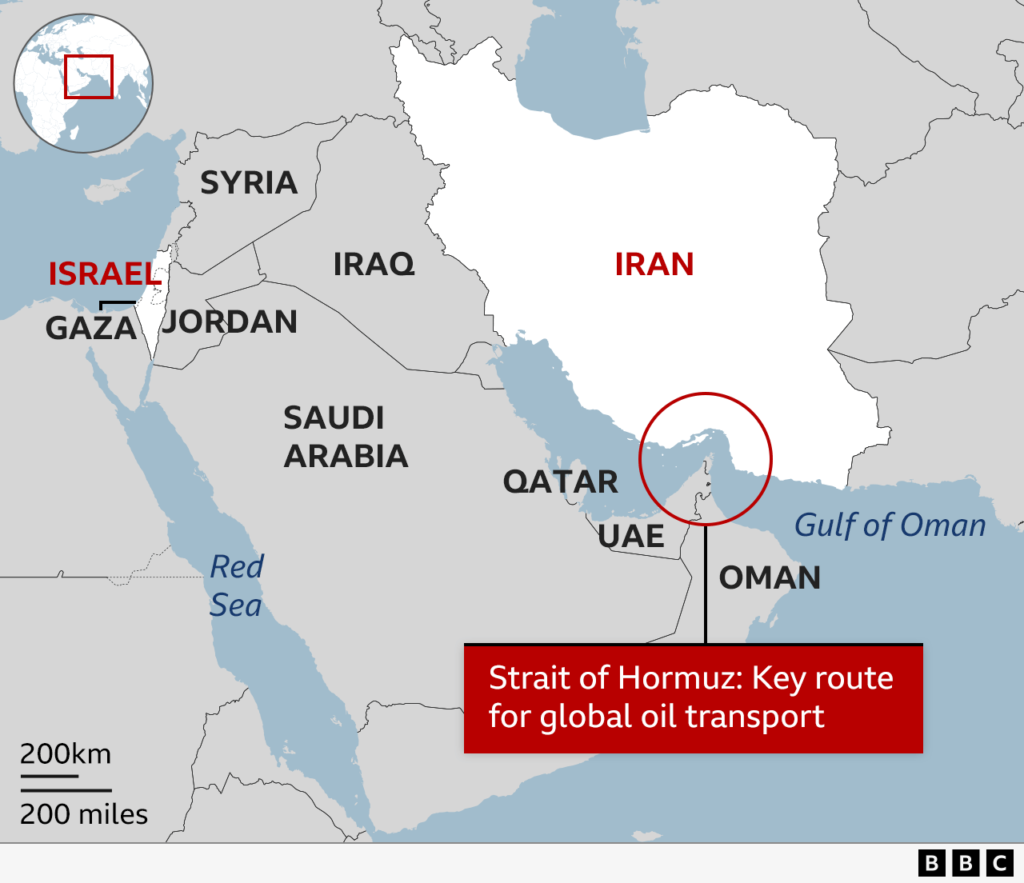
Oil prices were steady on Wednesday after a sharp sell-off in the previous session, as ongoing disruptions in the Strait of Hormuz offset optimism around possible U.S.-Iran peace talks.
Brent crude rose 0.5% to $95.28 a barrel, while WTI edged up 0.1% to $91.37, following prior declines of about 5% and 8%.
Supply through the key shipping route remains heavily constrained, keeping global flows tight and supporting prices despite easing geopolitical fears.
Japanese Manufacturer Confidence Sees Sharpest Drop in Over 3 Years on Oil Shock and Supply Strains
Japanese manufacturers’ confidence dropped sharply in April, its biggest fall in over three years, as rising oil prices and Middle East supply disruptions weighed on sentiment. The Reuters Tankan index fell 11 points to +7.
Chemicals firms were hit hardest, slipping into negative territory, while auto-related industries saw a milder decline.
In contrast, non-manufacturing sentiment rose to +31, supported by steady demand in construction, real estate, and services.
India’s Trade Deficit Narrows in March as U.S. Exports Surge, War Disruptions Bite Supply Chains
India’s trade deficit fell to $20.67 billion in March, a nine-month low, as higher exports to the U.S. offset war-related shipping disruptions.
Exports rose to $38.92 billion while imports declined to $59.59 billion. U.S. shipments jumped 17.4% to $8.02 billion, supported by lower tariffs and strong demand for goods.
Exports to the Middle East dropped due to disruptions in the Strait of Hormuz, while crude oil and gold imports also fell sharply. Economists had expected a wider deficit of $32.75 billion.
Kenya Hikes Fuel Prices by Up to 24% as Global Oil Costs Surge
Kenya has increased fuel prices by as much as 24.2% due to rising global oil costs and Middle East supply disruptions.
Petrol rose 16.1% to 206.97 shillings per litre, diesel 24.2% to 206.84, while kerosene was unchanged.
EPRA blamed higher import costs and noted VAT was cut from 16% to 13% to ease the impact.
The regulator said global crude volatility has fed directly into local pump prices.
Motorists rushed to filling stations in Nairobi ahead of the new pricing.
Nigeria Inflation Rises for First Time in a Year as Fuel Costs Bite
Nigeria’s inflation rose to 15.38% in March from 15.06% in February, ending an 11-month easing trend, according to the National Bureau of Statistics.
The increase was driven by higher fuel and transport costs linked to global oil disruptions, with food inflation also rising to 14.31%.
Monthly inflation accelerated to 4.18%, showing renewed short-term price pressure across the economy. Overall, the data signals persistent cost-of-living pressures despite earlier signs of easing inflation.