
Akintunde Oyedokun
Research Analyst
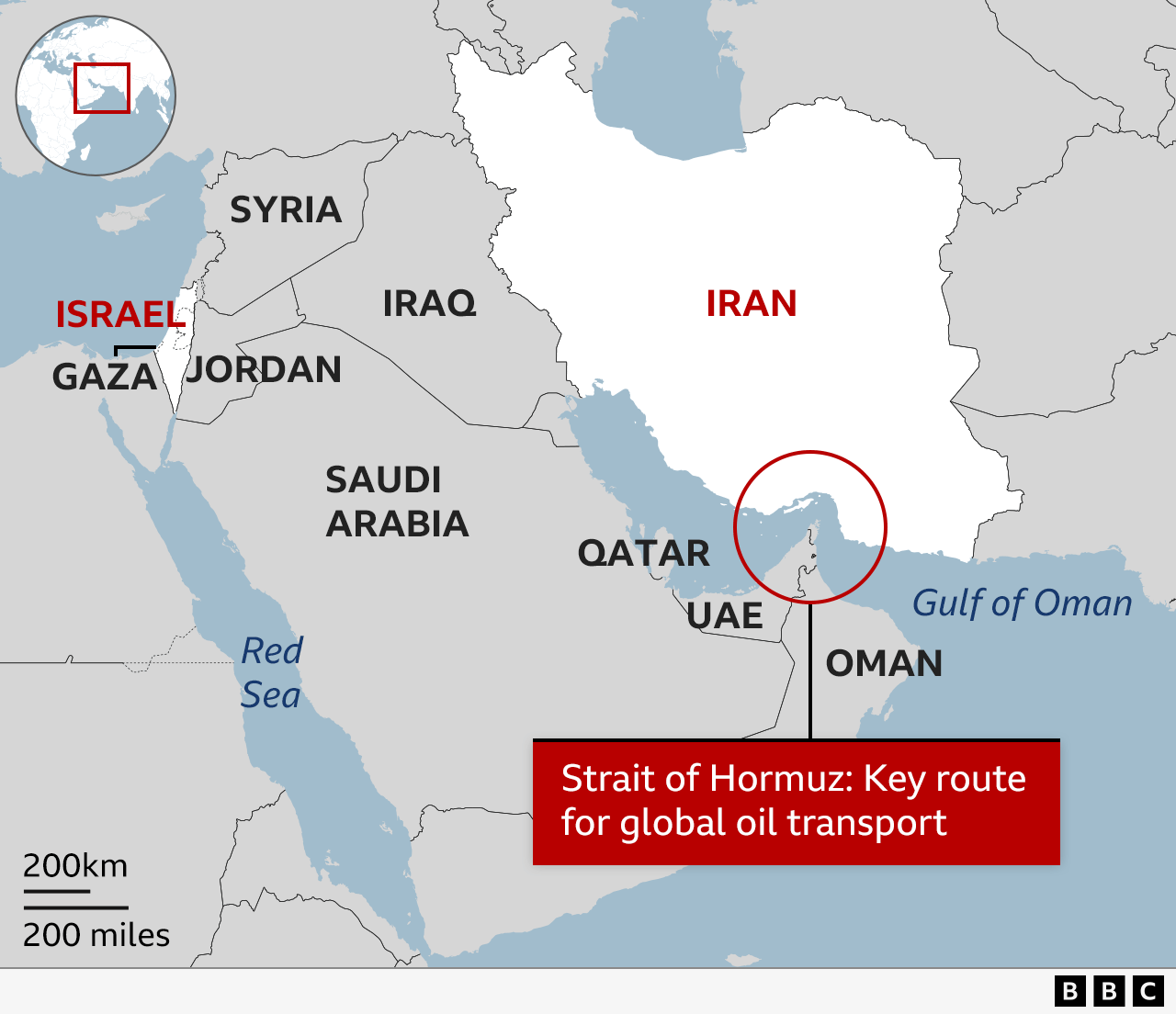
Oil prices fell 4% on Wednesday after U.S. President Donald Trump said talks with Iran were nearing completion, easing concerns over Middle East supply disruption.
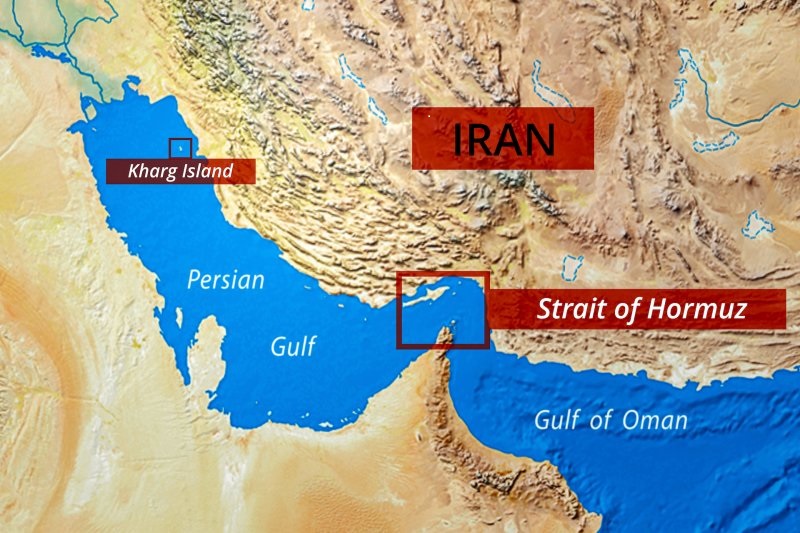
Brent crude dropped to $106.52 per barrel, while WTI settled at $99.93. However, traders remain cautious as tensions around the Strait of Hormuz continue to threaten global oil supply.
Japan Factory Sentiment Improves Slightly Amid Iran War Supply Concerns
Japanese factory sentiment edged higher in May as commodity industries recovered from the Iran war-driven slowdown, a Reuters Tankan survey showed.
Manufacturers’ confidence rose to +8 from +7 in April, supported by gains in chemicals and metals, though weakness in autos and rising costs capped the rebound.
Businesses expect sentiment to weaken again by August due to concerns over the Iran conflict and supply chain disruptions.
UK Inflation Slows, But Iran War Threatens Fresh Cost Surge
Britain’s inflation slowed to 2.8% in April from 3.3%, supported by lower energy costs and government relief measures.
However, rising fuel prices linked to the Iran conflict are expected to push inflation higher later this year, keeping pressure on households and the Bank of England.
Economists now expect inflation to climb again before the end of 2026.
South Africa Inflation Rises, Boosting Rate Hike Bets
South Africa’s inflation climbed to 4.0% in April from 3.1% in March, its highest level since August 2024, increasing expectations of an interest rate hike next week.
Higher fuel and transport costs, driven by the U.S.-Israel conflict with Iran, pushed prices higher in Africa’s largest economy, which relies heavily on imported fuel.
Economists now widely expect the central bank to raise rates by 25 basis points at its May 28 meeting.
Nigeria’s Central Bank Holds Interest Rate At 26.5% Amid Inflation Concerns
Nigeria’s central bank kept its benchmark interest rate at 26.5% on Wednesday as it seeks to contain inflation and maintain economic stability.
CBN Governor Olayemi Cardoso said the bank remains cautious despite April inflation rising to 15.69%, driven by higher fuel and food prices linked to Middle East tensions.
The decision matched market expectations and follows a 50-basis-point rate cut in February. The apex bank also expressed confidence that inflation pressures would ease gradually as economic reforms continue.