

Akintunde Oyedokun
Research Analyst
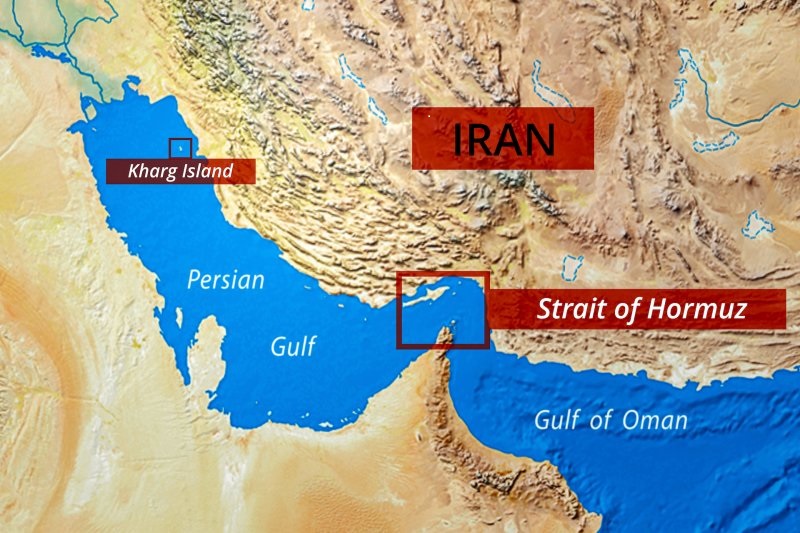
Oil fell to a three-month low on Monday after reports of a preliminary U.S.–Iran agreement to end conflict and reopen the Strait of Hormuz.
Brent dropped $4.16 to $83.17, while WTI fell $4.39 to $80.49, both at their weakest since March 10.
The deal could reopen the key shipping route within 30 days, easing supply concerns as markets await a gradual return of flows.
Canada Housing Starts Fall 6% in May
Canada’s housing starts declined 6% in May to an annualized 261,377 units from 278,380 units in April, according to CMHC. The figure, however, exceeded economists’ forecast of 255,000 units, indicating a smaller-than-expected slowdown in residential construction. The data suggests housing activity remains relatively resilient despite ongoing economic uncertainties.
India’s Unemployment Rate Rises to 5.5% in May
India’s unemployment rate increased to 5.5% in May from 5.2% in April, according to government data released on Monday. The figure came in slightly above the 5.3% rate projected by analysts in a Reuters poll, signaling a modest weakening in the labour market.
Mistrust Hinders Ebola Response in DR Congo
Health workers in eastern DR Congo are facing resistance as residents reject Ebola diagnoses, disrupting efforts to contain the outbreak. Aid agencies warn that overcrowded camps and poor sanitation could accelerate the virus’s spread. More than five million displaced people are at risk across conflict-hit provinces.
Nigeria’s Inflation Rises to 15.93% in May
Nigeria’s inflation rate rose to 15.93% in May 2026 from 15.69% in April, according to the NBS.
Monthly inflation slowed to 1.75%, while food inflation eased to 16.96%. Core inflation stood at 16.82%.
Price changes were driven mainly by staples such as maize, onions, tomatoes, yam, and cassava flour.
Despite the annual increase, some indicators suggest a slower pace of price growth compared to last year.