

Akintunde Oyedokun
Research Analyst
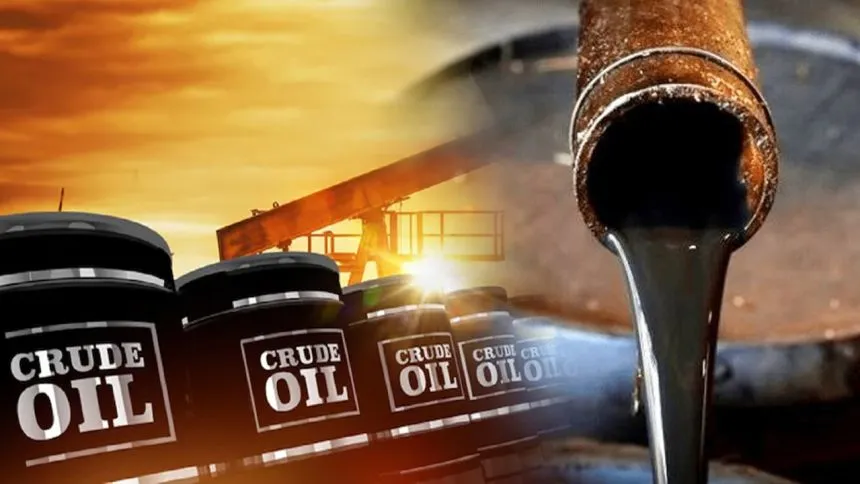
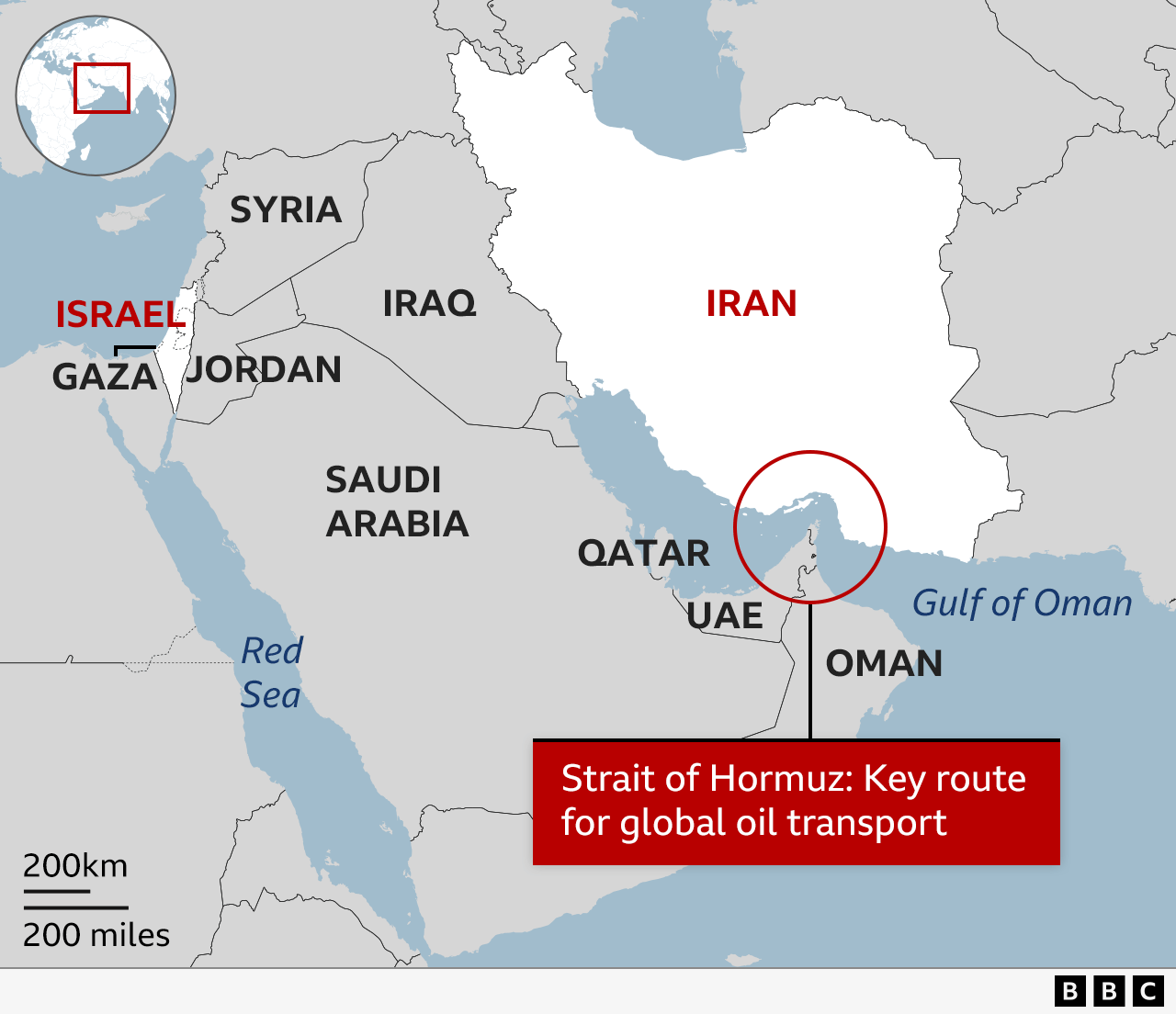
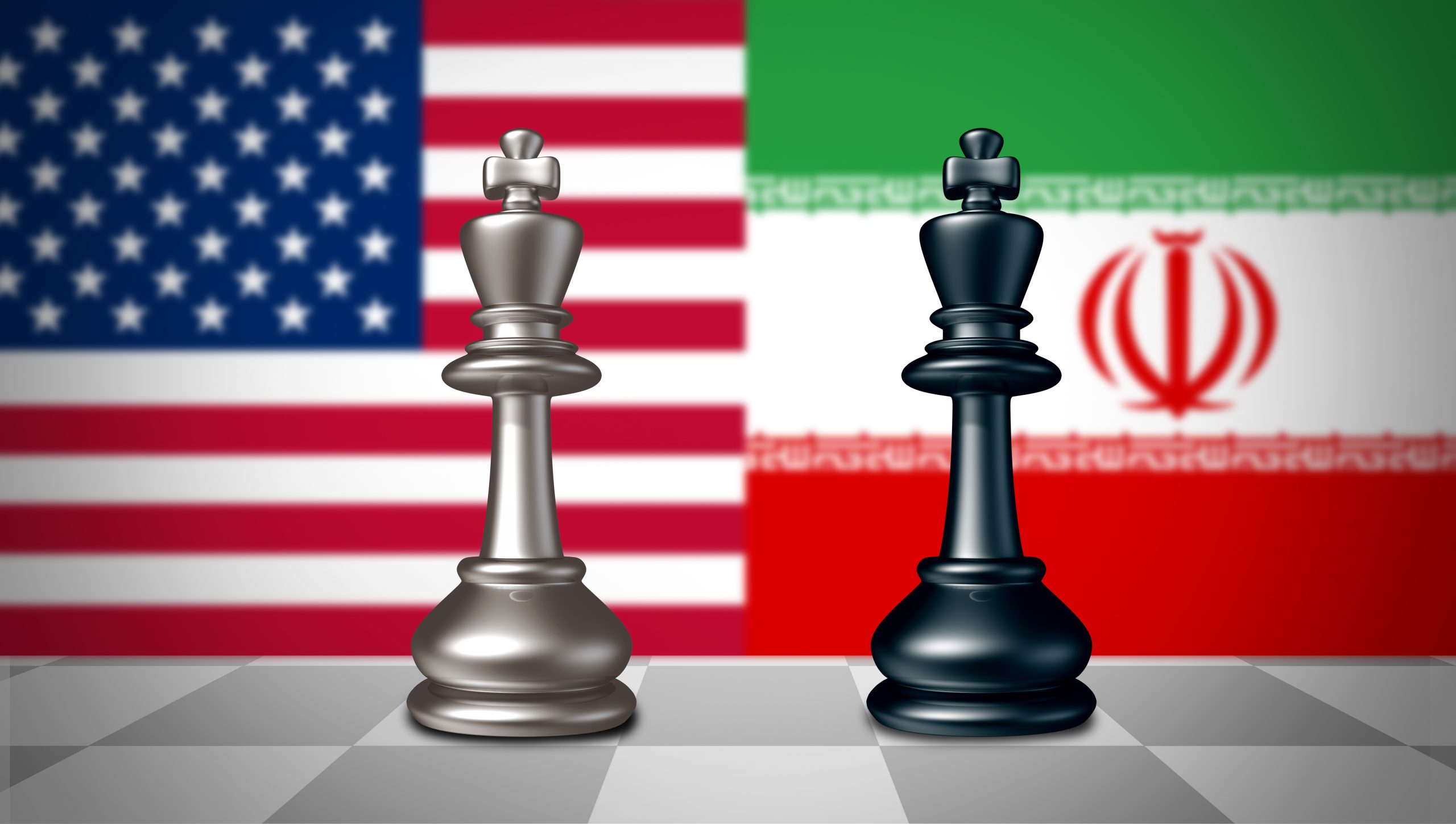
Oil prices fell nearly 5% on Tuesday as hopes of a U.S.-Iran diplomatic deal eased concerns over supply disruptions through the Strait of Hormuz.
Brent dropped 3.9% to $80.47 a barrel, while WTI fell 4.6% to $76.67. Both briefly lost more than 5%.
Talks involving the U.S., Iran and Oman raised hopes of improved shipping through the key oil route, though uncertainty remains.
Canada Manufacturing Growth Hits Four-Year High
Canada’s manufacturing sector expanded at its fastest pace in more than four years in July, with the S&P Global PMI rising to 53.5 from 53.0 in June.
Output and new orders strengthened on firmer domestic demand, while companies increased hiring. However, weak global demand, U.S. tariffs and higher energy costs raised concerns about the sector’s outlook.
U.S. Factory Orders Fall Despite AI Investment
U.S. factory orders fell 0.3% in June, missing expectations for a 0.2% rebound, but remained 5.3% higher year on year.
Demand for technology and business equipment stayed strong, with computer and electronics orders rising 3.2% and core capital goods orders up 1.2%, supported by continued AI investment.
Casablanca Plans $1.5bn Waste-to-Energy Plant
A consortium led by Kanadevia Inova plans to build a $1.5 billion waste-to-energy plant in Casablanca, with operations targeted for mid-2030.
The facility will process 1.5 million tonnes of waste yearly and generate 115MW, while cutting pollution and methane emissions from the Mediouna landfill.
The project is expected to create jobs and support Morocco’s efforts to improve waste management and clean energy generation.
Nigeria’s GenCos Lose N110.6bn to Stranded Power
Electricity Generation Companies in Nigeria lost N110.56 billion in the first half of 2026 as an average 3,124.5MW of power was stranded monthly due to grid constraints.
However, the Transmission Company of Nigeria has disputed claims that transmission is the main bottleneck, citing low generation availability, gas shortages and plant faults. Energy expert Kunle Olubiyo said the problem will persist without stronger transmission and distribution networks.