
Akintunde Oyedokun
Research Analyst
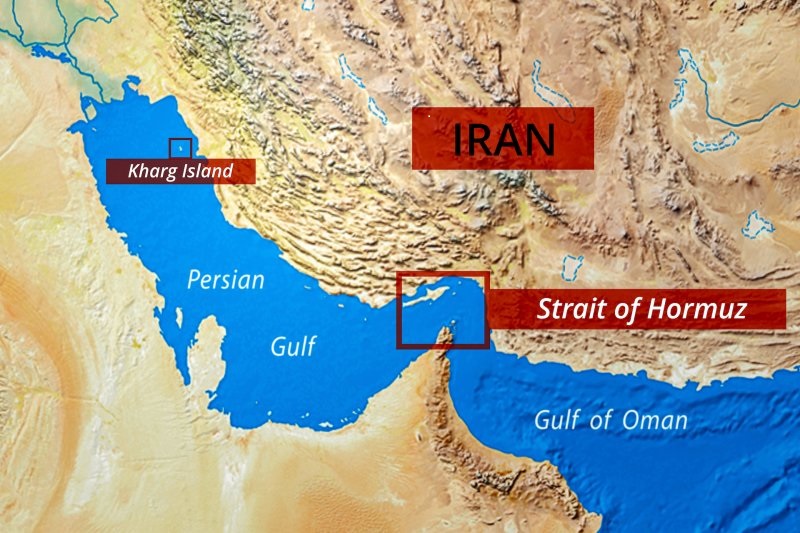
Oil prices fell on Friday as hopes of a temporary deal to reopen the Strait of Hormuz eased supply concerns. Brent dropped 0.85% to $81.79, while WTI fell 0.69% to $76.76.
Both benchmarks were heading for weekly losses of over 9%. However, disagreements over transit fees, sanctions and ongoing regional security risks continued to cloud the outlook.
China Inflation Slows Further in July
China’s producer inflation eased to 3.5% in July from 4.1% in June, below the 3.8% forecast. Core CPI rose 0.9%, while monthly CPI fell 0.1%.
Weak domestic demand and lower oil prices continued to weigh on inflation, while Beijing plans to boost growth through increased fiscal spending and infrastructure investment.
Canada Jobs Surge, Unemployment Falls to 6.4%
Canada added 75,100 jobs in July, well above the 16,500 forecast, while unemployment fell to 6.4%, a two-year low.
Full-time employment rose by 38,600, while part-time jobs increased by 36,600. Wage growth slowed to 3.0%, signaling easing inflation pressure.
Tanzania Opens Bond Market to Foreign Investors
Tanzania has allowed all foreign investors to buy government Treasury bills and bonds, aiming to deepen its financial markets and attract investment.
The move comes as the government seeks new revenue sources amid declining foreign aid.
The central bank said the policy is also expected to strengthen Tanzania’s appeal as an investment destination.
Nigeria’s Tax Revenue Surges 113% to N27.1tn
Nigeria’s tax revenue jumped 113% from N12.3tn in 2023 to N27.1tn by July 2026, the Nigeria Revenue Service said.
The increase was driven by tax digitisation, new tax laws and measures to curb revenue leakages. The NRS also cited higher oil production, stronger reserves, increased capital inflows and improved trade as signs of economic recovery.
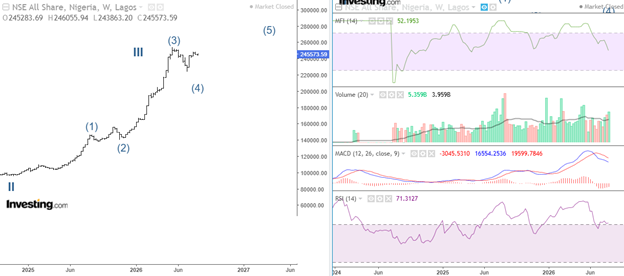
Crude output rose to 1.73 million barrels per day, while external reserves reached $51.9bn. NGX market capitalisation also climbed to N161tn from N30.36tn in 2023.