

Akintunde Oyedokun
Research Analyst
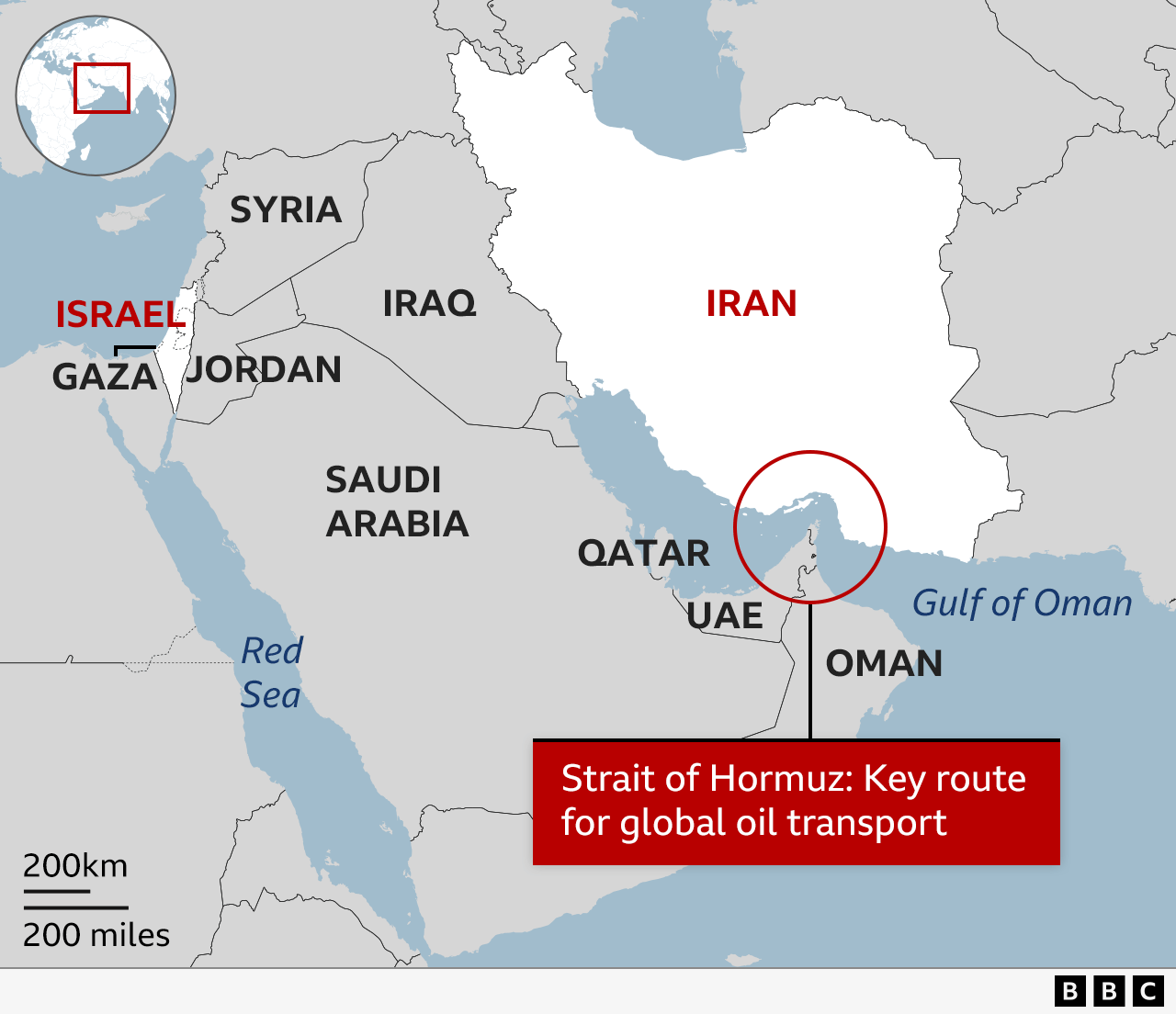
On Thursday, Brent crude jumped to $71.01, its highest since August, as fears of a U.S. strike on Iran pushed a nearly 16% rise this month. U.S. WTI also climbed to $65.75, on track for a 14% monthly gain.
Analysts say geopolitical risks are adding $3–$4 per barrel, with Brent possibly reaching $72. Supply disruptions in Kazakhstan and storm-hit U.S. production have further tightened the market.
RBI to Keep Rates Steady Amid Moderate Inflation and Growth
The Reserve Bank of India is expected to hold its key interest rate at 5.25% through 2026, as inflation remains below target and growth is mainly driven by government spending rather than private investment. Economists note that the RBI’s efforts to defend the rupee, which recently hit a record low, may limit the impact of past rate cuts. Inflation is forecast to average 2.1% this year, with GDP growth around 7.4%.
U.S. Jobless Claims Stable as Hiring Slows
New unemployment claims in the U.S. fell slightly to 209,000 last week, indicating layoffs remain low. Continuing claims also declined, reflecting steady job cuts mainly through attrition. Despite this, hiring remains weak due to factors like tariffs, immigration enforcement, and corporate uncertainty. The unemployment rate held around 4.4%, while the Federal Reserve kept interest rates at 3.50%-3.75%. Market reactions included lower stocks, a weaker dollar, and higher long-term Treasury yields.
South Africa Keeps Interest Rate Steady at 6.75%
South Africa’s central bank held its repo rate at 6.75%, citing a desire for further easing of inflation expectations and concerns over rising electricity tariffs. Headline inflation rose slightly to 3.6% in December but is expected to have peaked. The bank also noted uncertainties from global trade tensions. Inflation forecasts were slightly lowered to 3.3% for 2026 and 3.2% for 2027, while growth projections remain at 1.4% and 1.9%.
Nigeria’s Crude Exports Set to Drop in March
Nigeria’s crude oil exports are expected to fall 14% in March due to steep cuts in Bonga and Forcados, despite slight increases in Qua Iboe and Bonny Light. The decline could impact oil revenue and foreign exchange earnings, though final shipments may change.
Export volatility reflects operational, security, and infrastructure challenges in the Niger Delta. Crude remains Nigeria’s main source of foreign exchange, generating N37.7 trillion in the first nine months of 2025.