

Nigel Green, CEO of financial advisory giant deVere Group, on Friday warned that the Euro is coming under increasing pressure amid the escalating Iran crisis, following which investors should take action.
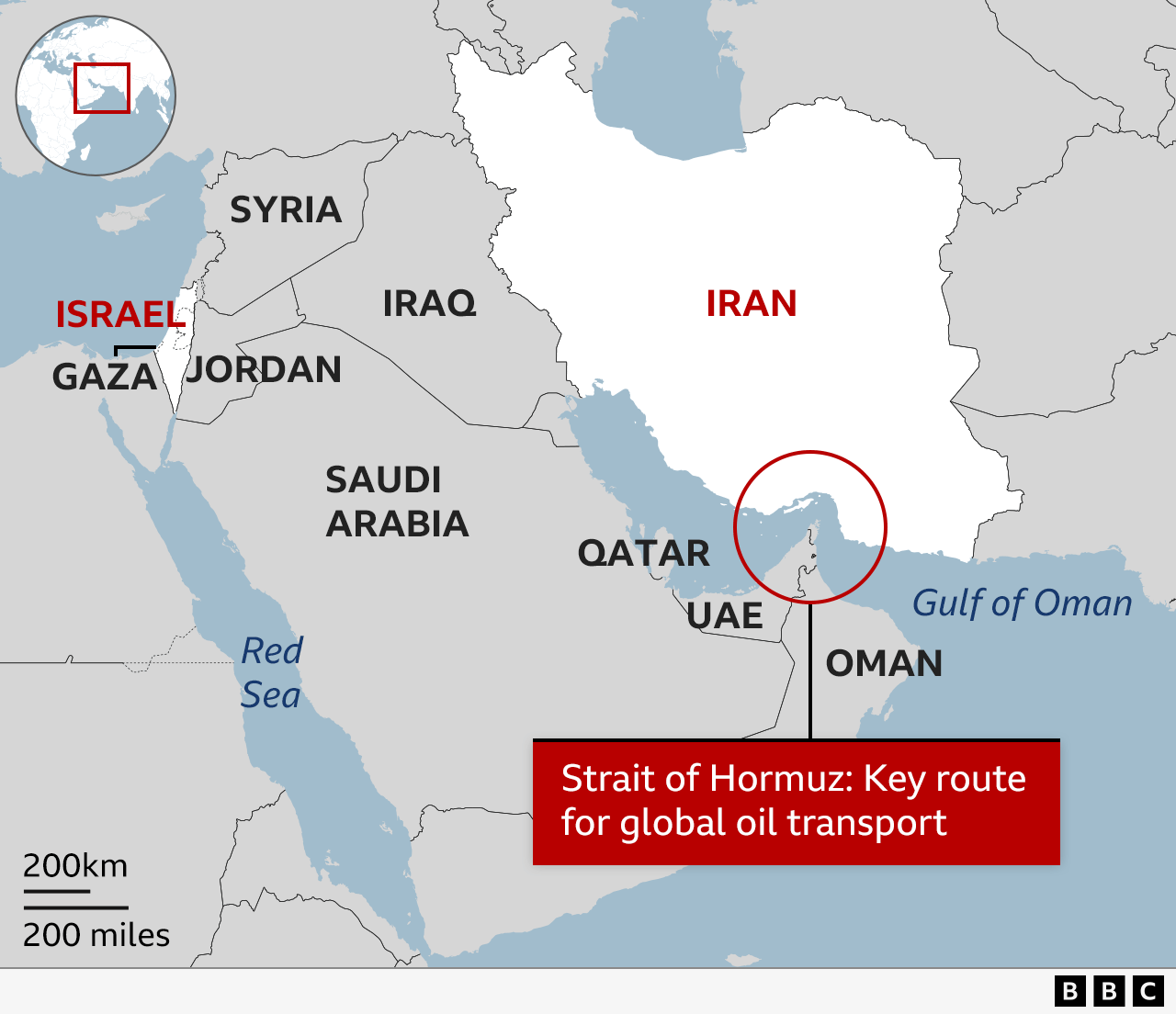
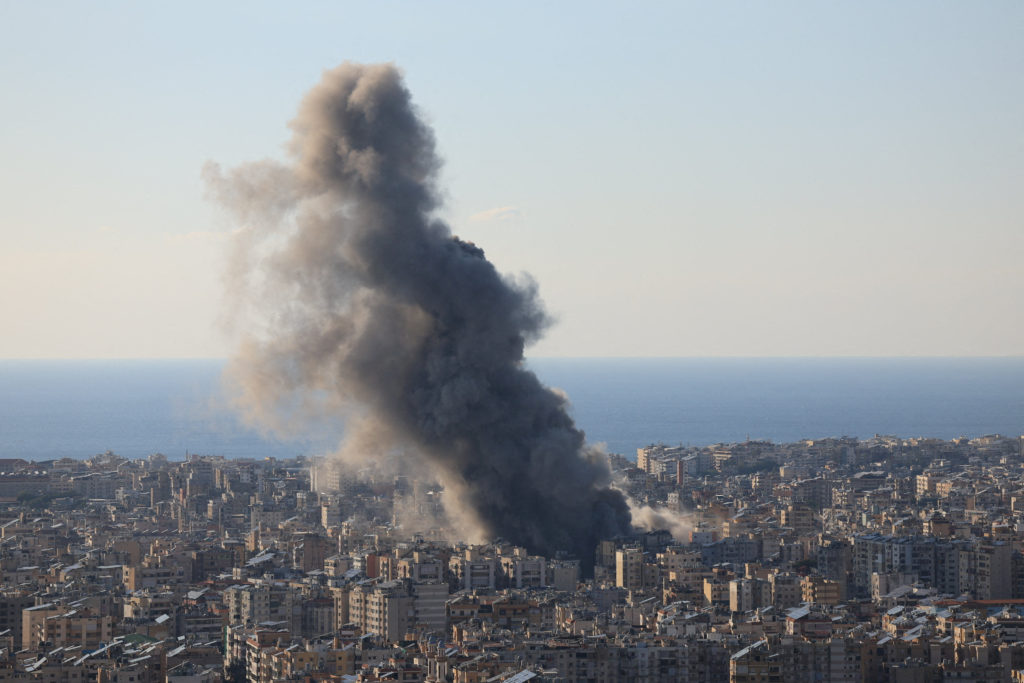
The warning comes as fresh geopolitical tension in the Middle East rapidly spills into global markets, with currencies among the first assets to react, after the euro on Friday slipped to its weakest level in more than seven months against the US dollar with investors rushing toward the greenback, while energy prices surge again above $100 a barrel.
The stakes are particularly high for Europe, he stressed, being heavily dependent on imported energy, leaving its economy and currency acutely sensitive to oil and gas shocks triggered by geopolitical conflict.
According to Green: “The pressure on the Euro reflects a deeper structural vulnerability that investors can’t afford to ignore.
“The single currency is entering a danger zone because the forces driving this geopolitical crisis hit directly at Europe’s most persistent economic weak point—energy dependence.
“Markets are reacting quickly because they understand the transmission mechanism. Higher oil prices immediately raise Europe’s import bill, weaken the trade balance and undermine the currency.”
Europe imports roughly 95% of the oil it consumes and more than half of its overall energy supply.
A prolonged surge in energy costs, therefore, hits the eurozone far harder than many other major economies.
The deVere chief executive argues that currency markets are already pricing in this risk.
“Every escalation in the Middle East pushes energy prices higher, and every jump in energy prices tightens the pressure on the euro,” he says.
“Investors are shifting toward the dollar because the US is far less exposed to imported energy shocks. That structural difference matters enormously in moments like this.”
The euro has already fallen more than 2% against the dollar this year and the latest slide reflects growing investor concern that the eurozone economy could weaken further if energy prices remain elevated.
Industrial output across parts of the eurozone has already shown signs of slowing, while manufacturing sectors in energy-intensive economies such as Germany remain fragile after the previous energy crisis.
Nigel Green warns that the currency weakness could accelerate if the conflict continues to intensify.
“Energy costs ripple through every layer of the economy. They squeeze businesses, erode consumer spending power and push inflation higher at the same time.”
“This combination creates the perfect storm for a currency that already faces structural headwinds.”
He adds that markets are likely to move quickly if oil prices continue climbing.
“If crude prices stay above $100 or push significantly higher, investors should expect renewed downward pressure on the euro.
“The market understands that Europe’s growth outlook deteriorates rapidly in an energy shock scenario.”
The CEO says he believes tha waiting for stability may come at a cost.
“Currency markets move faster than economic data.
“By the time the full economic damage becomes visible, the euro could already have moved significantly lower.”
“Investors who remain overexposed to euro-denominated assets risk seeing the value of their portfolios eroded through currency depreciation alone.”
He concludes: “This is the moment to reassess currency exposure with urgency.
“The euro is being tested by forces that go well beyond day-to-day market fluctuations.
“Investors who recognize the scale of the risk and adjust their positioning accordingly will likely be better prepared for what could be a prolonged period of currency instability.”