
Akintunde Oyedokun
Research Analyst
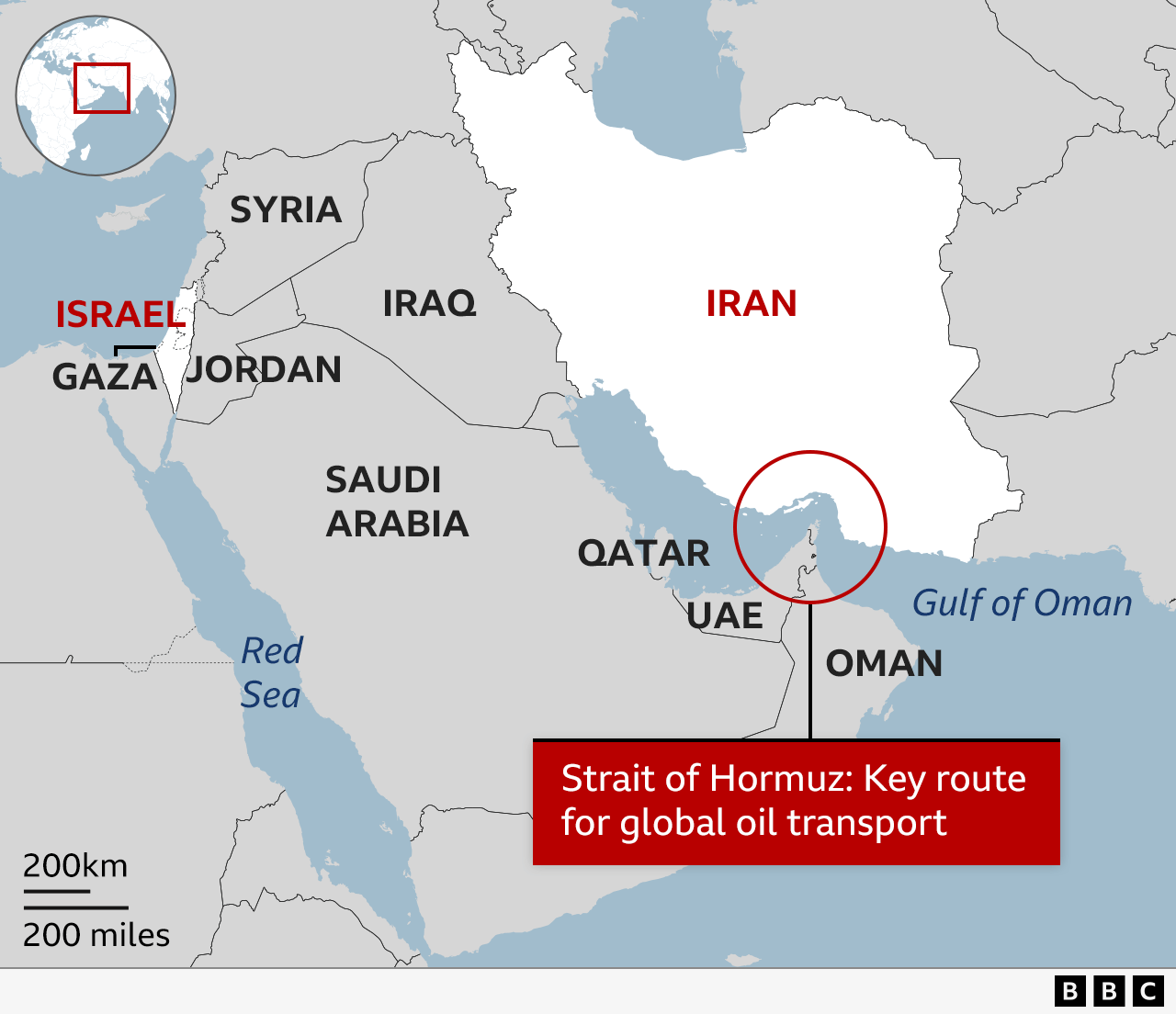
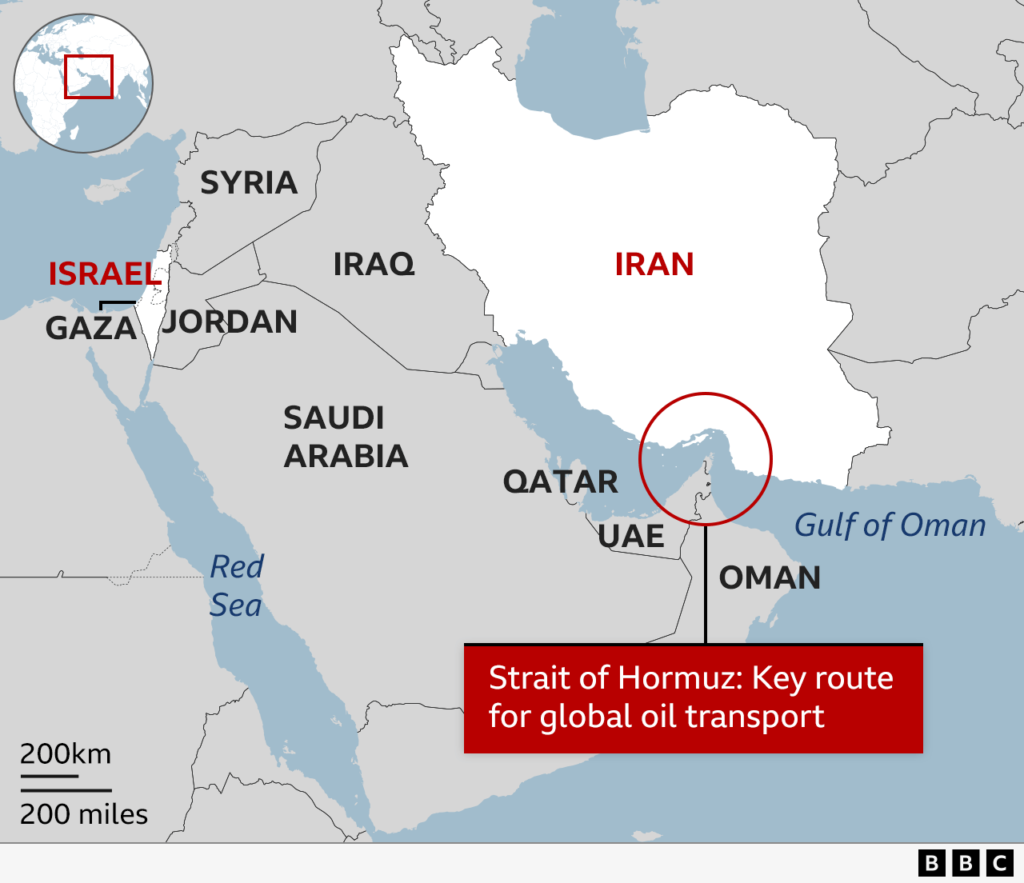
Oil prices rose slightly Tuesday as tensions over the Strait of Hormuz remained elevated.
Brent traded near $109.94, while WTI climbed 2.6% to $115.30, supported by strong demand for prompt supply.
The ongoing closure of the strait continues to tighten global supply, lifting prices as refiners look for alternatives. Saudi Arabia’s price hike to Asia further signals market strain, while OPEC+ output plans offer limited relief amid disruptions.
Germany’s Service Sector Growth Slows Sharply as Demand Weakens
Germany’s services sector growth slowed sharply in March, with the PMI falling to 50.9 from 53.5, its lowest since September.
Weaker demand, rising fuel costs, and uncertainty linked to Middle East tensions weighed on activity, while firms struggled to pass higher costs to customers.
New business declined for the first time in six months, and overall business confidence dipped, dragging the composite PMI down to 51.9.
Canada’s Business Activity Slips in March as Inflation Pressures Climb
Canada’s economic activity contracted in March, ending three months of growth, as shown by the Ivey PMI released Tuesday.
The seasonally adjusted index fell to 49.7 from 56.6 in February, dropping below the 50 mark for the first time since November.
Inventories also declined, while the prices index jumped to 75.7, signaling rising cost pressures.
Meanwhile, the unadjusted PMI inched up slightly to 56.5, indicating some underlying resilience.
Kenya’s Private Sector Shrinks In March On Weak Demand, Middle East Tensions Effect
Kenya’s private sector shrank in March for the first time since August, pressured by weak demand and Middle East tensions.
The Stanbic Bank Kenya Purchasing Managers’ Index fell to 47.7 from 50.4, below the 50 growth mark.
Lower consumer spending, tighter budgets, and rising fuel costs weighed on activity, though wholesale and retail saw slight growth.
President William Ruto said measures are underway to manage price pressures, with growth still expected to improve.
Oil Rally to $120 Deepens Naira Pressure Despite Export Gains
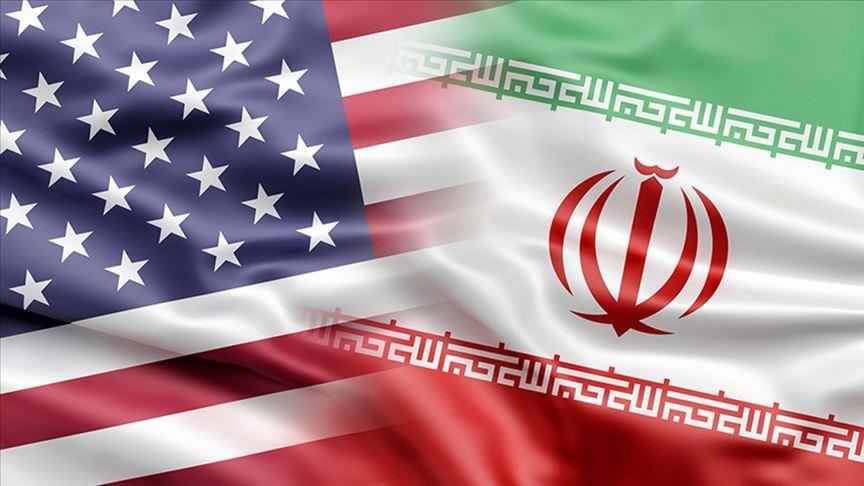
Crude oil has risen to $120 per barrel on U.S.–Iran tensions, yet the naira remains under pressure due to high petrol import costs of about ₦1,168 per litre, which fuels dollar demand.
Although Dangote Refinery supplies 62% of Nigeria’s petrol, imports still require significant FX from the CBN and marketers. Inflation is expected to rise slightly to 16.22%, while the naira trades around ₦1,380/$.
Despite stronger oil prices supporting reserves, low production limits the upside. The naira remains broadly stable but fragile, as the U.S. dollar stays firm amid global uncertainty.