
Markets are now trading a ‘two or three week’ war timeline based on Trump’s latest comments, and it’s driving global moves, says the CEO of global financial advisory giant deVere Group, Nigel Green.
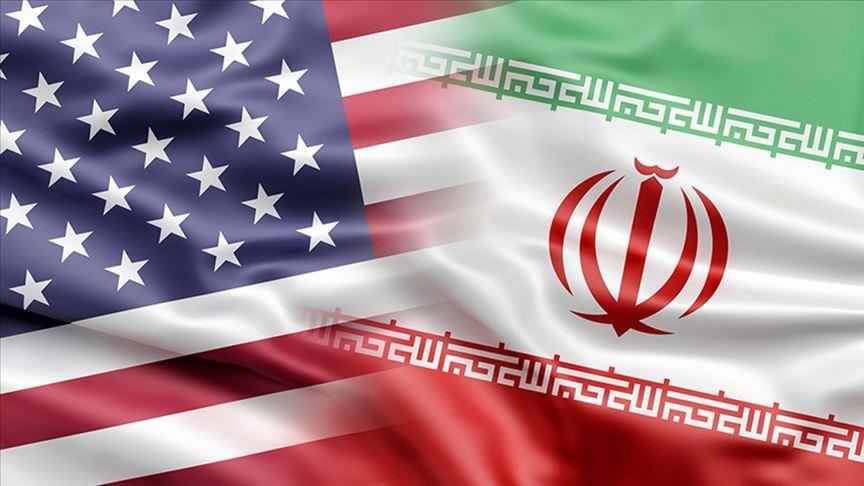
This analysis comes as global markets surge on expectations that tensions with Iran could ease far sooner than previously feared, triggering a rapid repricing across equities, oil, and currencies.
Futures linked to the S&P 500 and Nasdaq 100 moved higher overnight, extending a powerful rally in US equities, while Asian markets led gains, with South Korea’s Kospi jumping more than 6%.
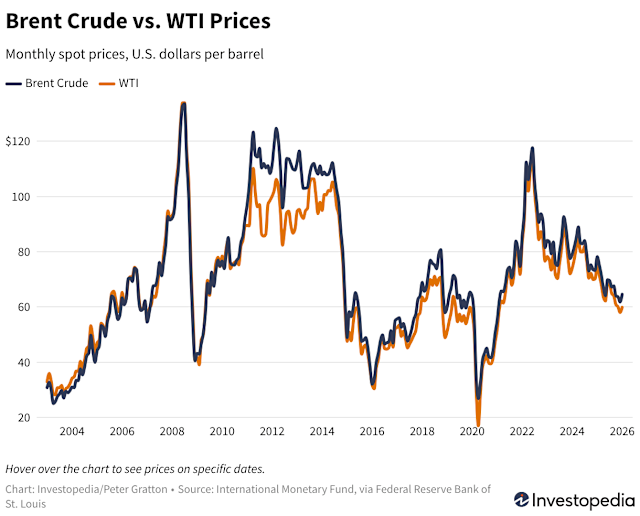
Oil, which had spiked to $119, has since fallen back toward $105 a barrel as traders reassess the likelihood of prolonged disruption.
He says: “Markets are, effectively, now trading a two or three week war scenario based on Trump’s latest comments.
“The market reaction is now feeding directly into pricing across equities, oil and currencies.”
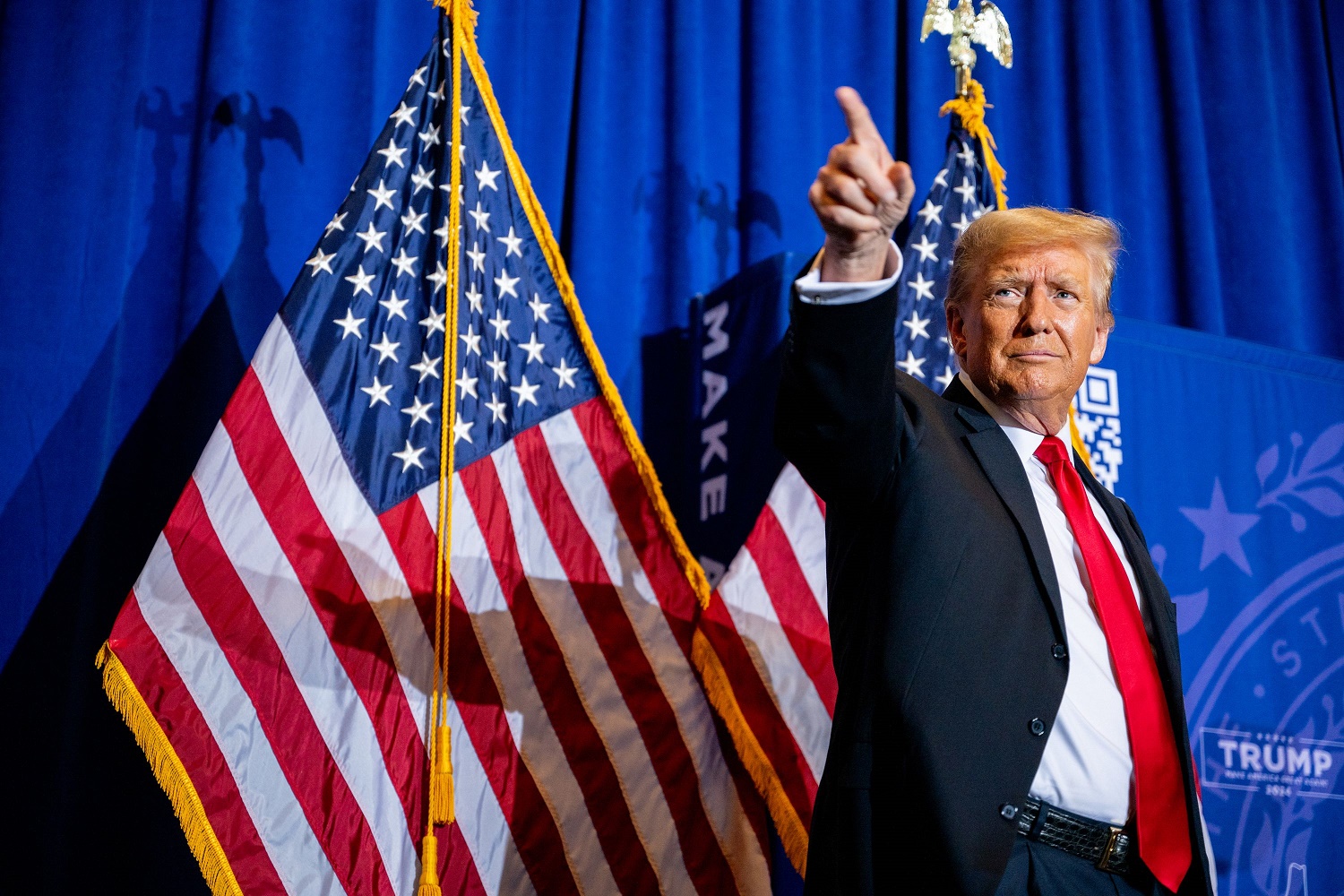
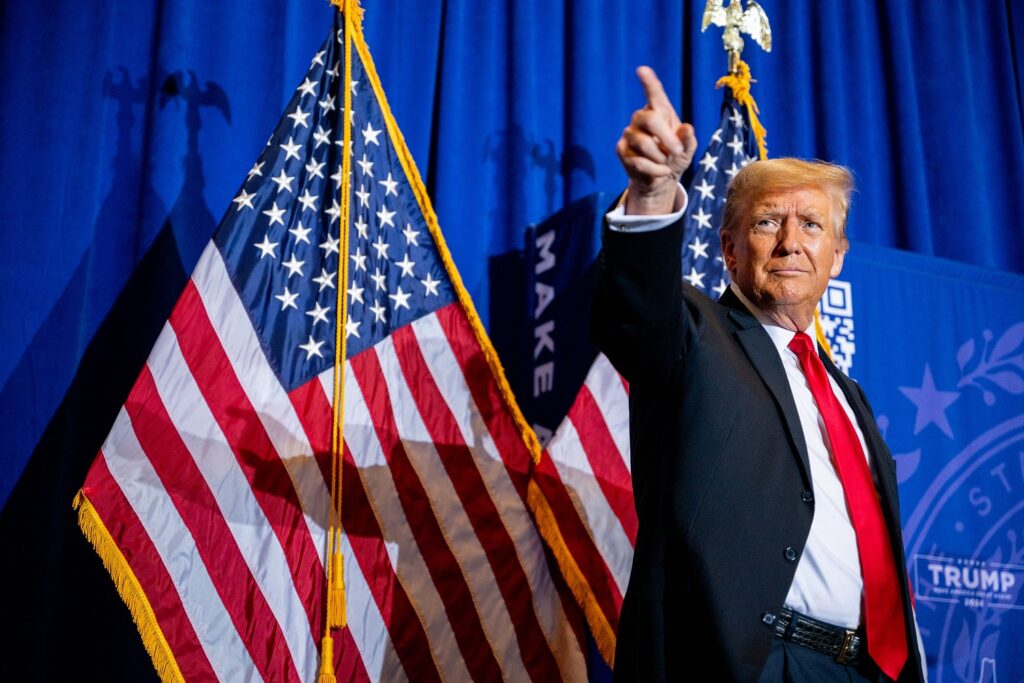
The shift has been swift and decisive. Comments from US President Donald Trump indicating Washington could conclude its campaign within weeks, alongside confirmation from US Secretary of State Marco Rubio that talks with Iran remain ongoing, have altered the market narrative in a matter of hours.
Investors are recalibrating expectations “not on confirmed outcomes, but on a perceived narrowing of the conflict window,” notes the deVere CEO.
Nigel Green says markets are now moving ahead of the political process itself.
“Markets are pricing de-escalation faster than diplomacy can deliver. Financial markets move in probabilities, not confirmed outcomes, and right now the probability of a shorter conflict is being aggressively priced in.”
The move in oil remains central to this repricing. Crude’s sharp pullback is already feeding through to expectations around inflation and interest rates, amplifying the rally in equities and reinforcing the broader shift in sentiment across asset classes.
“The oil move is doing the heavy lifting.
“As crude drops, inflation expectations ease and rate pressure softens, which is why equities are responding so strongly,” comments Nigel Green.
This dynamic is creating a powerful but potentially fragile rally. US stocks have just posted their strongest session in months, reflecting how quickly sentiment has turned.
Only days earlier, markets had been braced for escalation and a renewed inflation impulse. Now, positioning is shifting rapidly toward a more supportive macro backdrop.
The scale of the move also suggests that investors had been defensively positioned and are now rushing back into risk assets as geopolitical fears ease.
This kind of repositioning can accelerate gains in the short term, particularly in equity markets that are sensitive to changes in rate expectations and growth outlooks.
Asian markets are already reflecting this change in global capital flows. The sharp rise in the Kospi points to a broader re-risking trend, with investors reallocating toward regions and sectors that tend to benefit most from improved global growth expectations and reduced geopolitical tension.
The chief executive notes that this pattern highlights how interconnected global markets have become.
“Movements in one asset class are now transmitting across the entire system almost instantly.
“Oil feeds into inflation expectations, which feeds into rate outlooks, and that drives equity valuations. It’s all happening in real time,” he says.
Currency markets are also beginning to adjust. As geopolitical risk premiums ease and inflation expectations soften, the support for the dollar from safe-haven demand could begin to moderate if current conditions persist. This adds another layer to the global repricing underway.
Despite the optimism, the underlying situation remains unresolved. There is no formal agreement in place, and diplomatic efforts are still ongoing. This leaves markets highly sensitive to any shift in rhetoric or developments on the ground.
Nigel Green warns that the current trajectory depends heavily on a single assumption holding true.
“This rally is built on a defined timeline that hasn’t been confirmed. If that timeline slips or the situation deteriorates, markets will have to reprice just as quickly,” he says.
He concludes: “The key driver right now is Trump’s latest salvo and his assumed duration of the conflict.
“Markets are trading that assumption aggressively. If it holds, risk assets will extend gains. If it doesn’t, the reversal will be just as sharp.”