
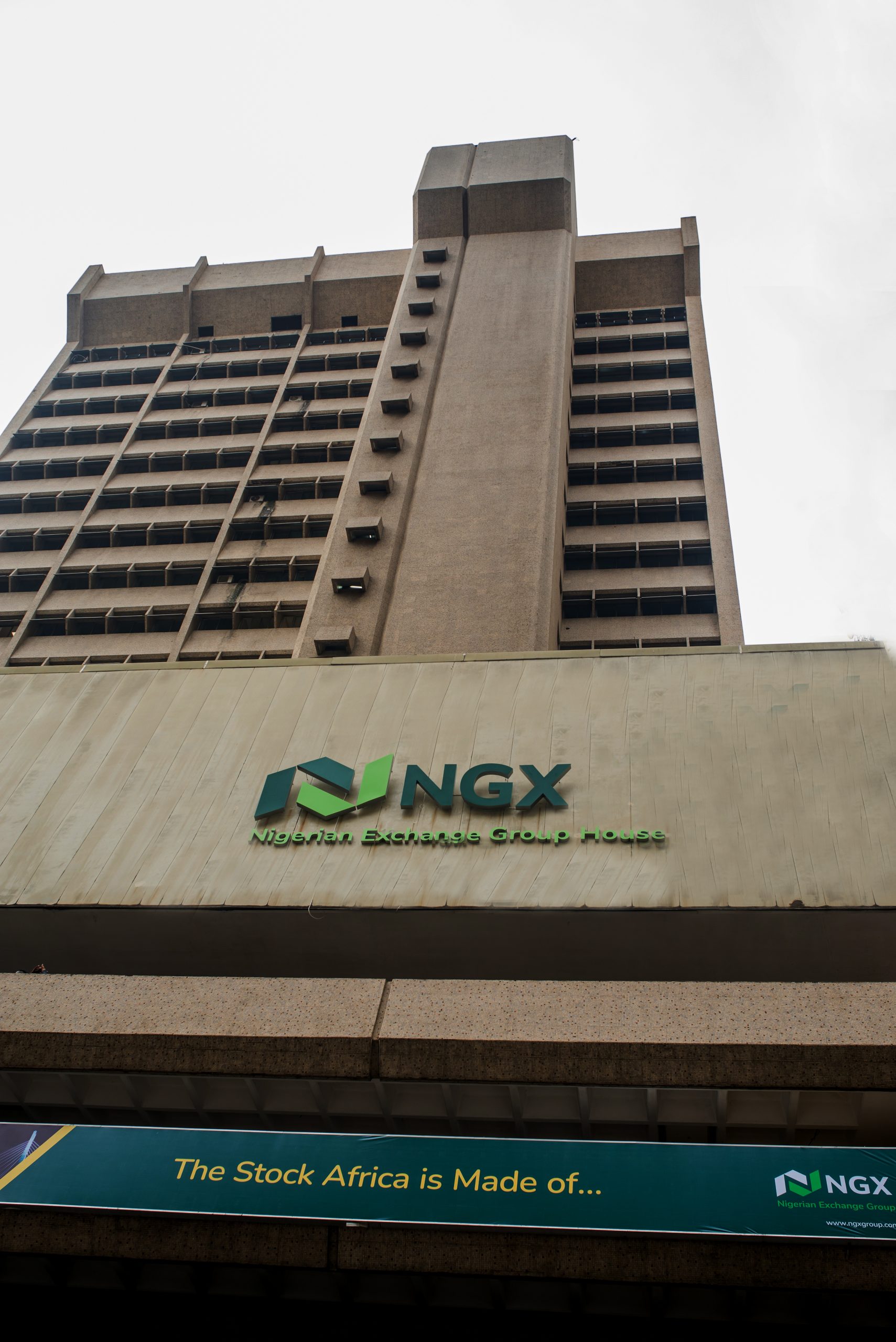
Market Update For December 15, 2025
The Nigerian equities market started the week on a cautious footing, reflecting a shift in investor behavior from aggressive accumulation to deliberate portfolio rebalancing. Following an extended bullish run that lifted equity prices to historic levels, market participants appeared more inclined to pause, reassess valuations, and realign exposures across sectors. Trading patterns pointed to consolidation rather than weakness, as profit-taking activities were balanced by selective bargain hunting in fundamentally sound stocks.
Investor sentiment during the session remained broadly stable, underpinned by confidence in the medium-term outlook of the market. However, near-term risk appetite moderated, with participants displaying a preference for stocks offering earnings visibility, dividend potential, and strong technical structures. This shift underscores a maturing rally, where capital preservation and risk management increasingly shape investment decisions.
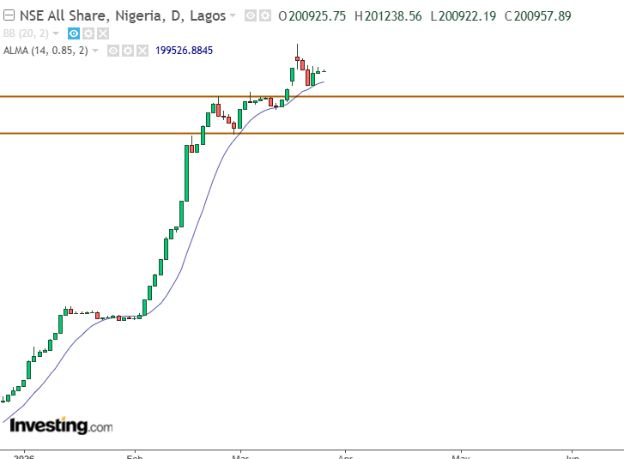
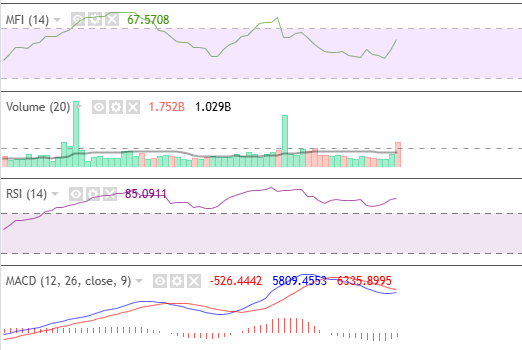
From a technical perspective, the market continues to trade near its recent highs, signaling that bullish momentum has slowed but not reversed. Price action suggests the index is forming a base within a narrow trading range, typically associated with consolidation after a strong upward trend. Momentum indicators imply a gradual easing of buying pressure, while the absence of aggressive selloffs indicates that underlying demand remains intact. This technical setup suggests that the next directional move will likely depend on the emergence of fresh catalysts.
Market liquidity mirrored this cautious stance, as trading volumes moderated compared with previous sessions. Activity was concentrated in a limited number of high-liquidity and momentum stocks, highlighting selective participation. Investors appeared less willing to chase prices, opting instead to rotate positions and lock in gains where valuations had stretched. This behavior reflects a disciplined market environment, often seen when investors await clarity on macroeconomic and policy developments.
Sectoral performance across the market was mixed, reinforcing the theme of selective rotation. Consumer goods stocks attracted intermittent buying interest, supported by expectations of resilient earnings and pricing power. Industrial stocks also recorded pockets of demand, driven by optimism around infrastructure spending and balance sheet strength. In contrast, banking stocks traded within a narrow range, as investors balanced dividend attractiveness against valuation levels and regulatory considerations. Overall, sector movements suggested caution rather than broad-based risk aversion.
Global macroeconomic developments, particularly trends in the crude oil market, remained an important influence on investor sentiment. Oil prices continued to trade on a weak footing, as supply-side disruptions linked to escalating U.S.–Venezuela tensions were offset by expectations of a global supply surplus in 2026. Brent crude traded around $60.92 per barrel, down 0.33%, while U.S. West Texas Intermediate hovered near $57.23 per barrel, down 0.37%. Both benchmarks had declined by more than 4% in the previous week, reflecting sustained oversupply concerns. The soft tone in oil prices has implications for Nigeria’s fiscal position, foreign exchange inflows, and overall macro stability, thereby influencing investor expectations across the equity market.
The interplay between domestic consolidation and global oil market weakness suggests a cautious near-term outlook for equities. While lower oil prices may weigh on energy-linked stocks and macro sentiment, the broader market continues to benefit from liquidity-driven interest in fundamentally strong counters. As such, investors appear focused on stock-specific opportunities rather than broad market direction.
Looking ahead, the market is likely to remain range-bound in the near term, driven by selective accumulation, profit-taking, and ongoing portfolio adjustments. The emergence of fresh catalysts—such as corporate earnings releases, policy clarity, or a meaningful rebound in oil prices—could define the next phase of market direction. Until then, disciplined positioning and close monitoring of technical and macro signals are expected to dominate trading strategies.
Market Snapshot:
The NGX All-Share Index (ASI) closed marginally higher at 149,437.88 points, representing a 0.003% gain from the previous close of 149,433.25 points. Market capitalization increased by ₦2.93bn to ₦95.27trn, pushing the year-to-date return to 45.19%. Market breadth ended positive with 28 gainers against 22 losers. Leading gainers were GUINNESS (+9.96%), MECURE (+9.88%), FIRSTHOLDCO (+9.86%), EUNISELL (+8.98%) and BERGER (+4.87%), while PRESTIGE topped the losers’ chart. Trading activity recorded a total volume of 553.18m shares valued at ₦13.27bn across 28,907 deals, with FCMB leading volume turnover and VITAFOAM emerging as the most traded stock by value.