

Market Update For November 13, 2025
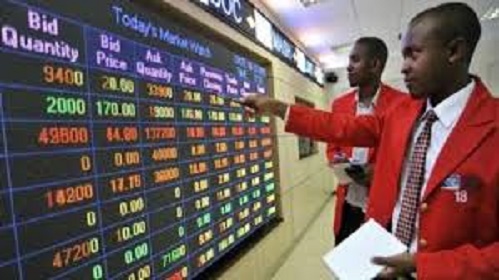
The Nigerian equities market staged a significant rebound on Wednesday, breaking a two-day losing streak as investors returned to the market to take advantage of attractive entry prices in fundamentally sound stocks. The bullish sentiment, which spread across key sectors, reflected renewed investor confidence ahead of the anticipated year-end rally, as market participants rebalanced their portfolios in response to evolving macroeconomic and global cues.
Market participants appeared to shrug off concerns over inflationary pressures, high interest rates, and foreign exchange volatility, focusing instead on value opportunities and the potential for dividend income as the financial year draws to a close. The positive market breadth indicated that investors were increasingly optimistic about medium-term prospects, particularly as corporate earnings remained solid despite the challenging economic environment.
The renewed buying interest was further supported by an improvement in liquidity conditions in the money market and expectations that the Central Bank of Nigeria (CBN) might maintain its monetary policy rate to preserve price stability while allowing credit flow to the productive sector. Investors also appeared encouraged by signs of increased government fiscal activity, which could stimulate private sector performance and boost company revenues in the coming quarters.
Globally, investor sentiment was buoyed by improving risk appetite in emerging markets following a stabilization in U.S. Treasury yields and modest recovery in commodity prices. For Nigeria, higher crude oil prices offered an additional layer of optimism, as Brent crude rebounded to trade around $64 per barrel. The recovery in oil prices came after a 2% drop earlier in the week, amid OPEC’s latest projection that global supply and demand would balance by 2026. Analysts believe that sustained oil price recovery could ease Nigeria’s fiscal pressure, stabilize foreign reserves, and support exchange rate liquidity—factors that typically influence equity market performance.
The rally was broad-based, with notable gains across the banking, consumer goods, and industrial goods sectors. Banking stocks in particular led the charge, driven by renewed investor confidence in the sector’s resilience and potential for strong year-end earnings. Mid-tier banks such as Fidelity Bank and FCMB attracted strong buy interest, reflecting expectations of continued profitability growth and attractive dividend yields. The consumer goods sector also gained traction as investors priced in positive outlooks for food manufacturers and brewers following indications of moderate improvement in domestic consumption.
Market turnover improved significantly, indicating a resurgence of both institutional and retail investor participation. The increase in trading value and volume signaled that investors were positioning for capital gains as the year draws to a close. Market analysts observed that the heightened activity might also be linked to portfolio adjustments by fund managers ahead of the December reporting period.
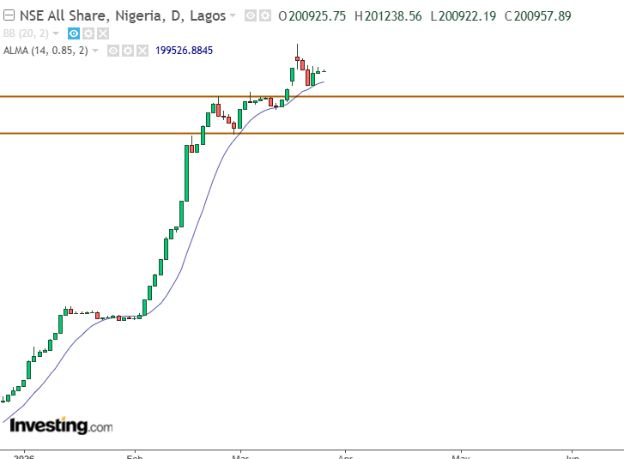
From a technical perspective, the market has entered a short-term recovery phase. The All-Share Index (ASI) successfully broke above a minor resistance level around 101,500 points, confirming a bullish reversal pattern. If sustained buying momentum continues, the index could test the next resistance zone around 102,000–102,300 points. The market’s relative strength index (RSI) remains below the overbought threshold, suggesting room for further upside. However, short-term profit-taking cannot be ruled out as traders may attempt to lock in quick gains from the recent bounce.
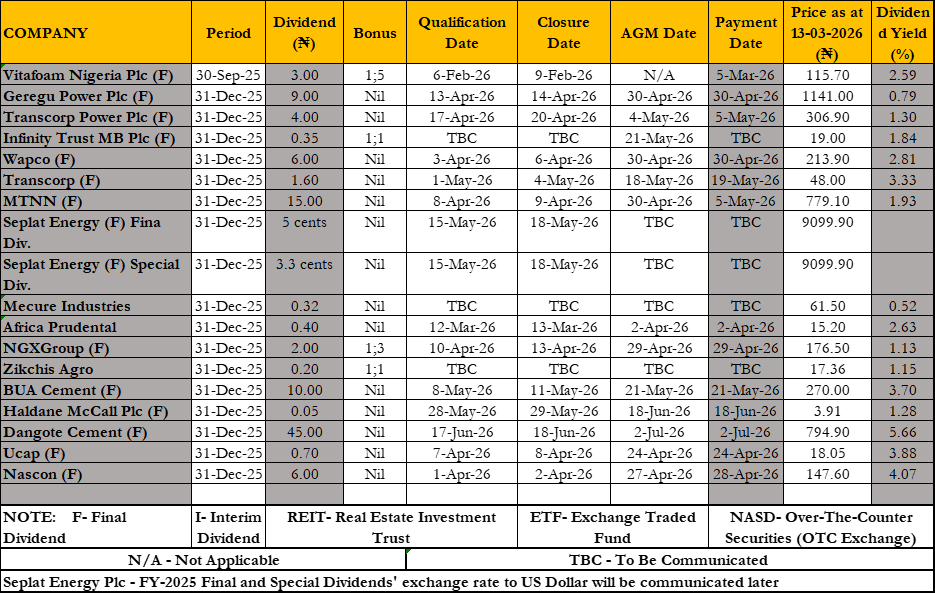
Despite lingering macroeconomic headwinds, sentiment in the equities market remains cautiously optimistic. The resilience of listed companies, coupled with steady dividend payments and strategic expansion plans, continues to attract investors seeking inflation-adjusted returns. Moreover, as global central banks signal a potential shift toward lower interest rates, equity assets are becoming increasingly attractive compared to fixed-income instruments, particularly for investors with long-term horizons.
At the close of trading, the NGX All-Share Index (ASI) advanced by 0.64% to settle at 101,745.30 points from 101,098.53 points recorded in the previous session, adding 646.77 basis points. The market capitalization also grew by ₦368 billion to close at ₦57.60 trillion, reflecting strong investor sentiment and renewed confidence in the market’s growth trajectory. A total of 456.2 million shares valued at ₦7.28 billion were traded in 7,123 deals, representing a notable improvement in market turnover compared to the previous session.
Top-performing stocks for the day included Dangote Sugar, which gained 9.95% to close at ₦67.45, followed by UACN and GTCO with 8.60% and 6.50% gains respectively. Other notable gainers included Zenith Bank and BUA Cement, both benefiting from increased institutional accumulation. On the losers’ chart, Unilever led the pack, shedding 9.84% to close at ₦13.70, followed by PZ Cussons and Honeywell Flour, which declined by 8.75% and 6.55% respectively, amid mild profit-taking.
In summary, Wednesday’s market performance marked a decisive return of optimism to the Nigerian Exchange as investors re-entered the market in anticipation of improved fundamentals and year-end corporate actions. The recovery in oil prices, stronger investor participation, and positive technical signals collectively point toward sustained bullish momentum if macroeconomic conditions remain stable. As the final trading weeks of 2025 approach, all eyes will be on whether this rebound can evolve into a full-fledged rally across key sectors of the market.