

Akintunde Oyedokun
Research Analyst
Oil prices climbed on Thursday as escalating military activity between the United States and Iran raised concerns about supply disruptions in the Middle East.
Brent gained 1.6% to $71.48 per barrel, while WTI rose 1.8% to $66.35, building on strong gains from the previous session.
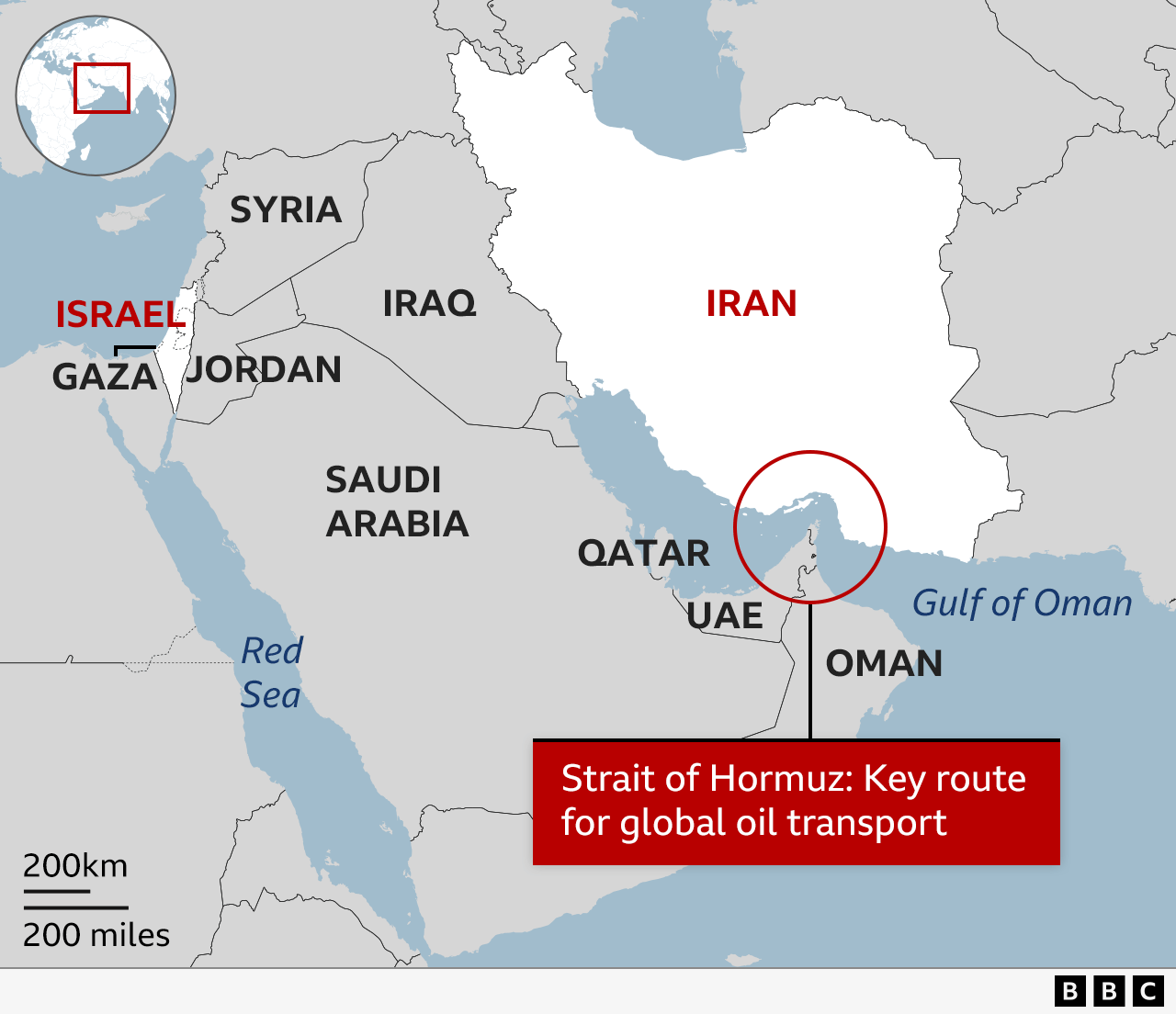
The rally reflects growing geopolitical risk, especially around the Strait of Hormuz, a key route for about 20% of global oil supply. Talks in Geneva made little progress, while separate discussions between Ukraine and Russia also ended without a breakthrough, keeping markets on edge.
US Jobless Claims Drop Sharply As Labour Market Shows Signs of Stability
New unemployment claims in the United States dropped sharply to 206,000 last week, below expectations, according to the U.S. Department of Labor. The decline signals signs of stability in the labour market.
Minutes from the Federal Reserve show policymakers see improving conditions, though risks remain if hiring weakens further.
However, continuing claims rose to 1.869 million, suggesting many laid-off workers are finding it difficult to secure new jobs, especially recent graduates.
Canada Cuts Trade Deficit as Non-U.S. Exports Hit Record High
Canada’s trade deficit fell to C$1.31 billion in December, down from C$2.59 billion in November, driven by record-high exports to countries outside the U.S. While exports to the U.S. rose slightly, their share of total exports dropped to 67%, the lowest since data collection began (excluding pandemic months). Non-U.S. exports surged 17% in 2025, led by gold shipments to the U.K. Imports from the U.S. grew faster than exports, narrowing Canada’s trade surplus with its largest partner, while imports from other countries declined, reducing the overall trade deficit.
Rwanda Raises Key Rate Amid Rising Inflation
Rwanda’s central bank increased its key lending rate by 50 basis points to 7.25% after January inflation rose to 8.9%, above the 2–8% target range.
Governor Soraya Hakuziyaremye said the hike is a “measured step” to control inflation, noting risks from agriculture, energy costs, and geopolitical tensions. Inflation is expected to ease toward the target by year-end, while the economy is projected to grow above 7% annually through 2028.
Nigeria’s Forex Reserves Reach $48.5 Billion
Nigeria’s foreign exchange reserves hit $48.5 billion in mid-February 2026, the highest in nearly 13 years, driven by stronger FX inflows, tighter liquidity management, and policy reforms. Reserves rose steadily from $45.5 billion at the end of 2025, crossing $46 billion in January and $47 billion by early February. The Central Bank of Nigeria projects reserves could reach $51 billion by year-end to support macroeconomic stability and investor confidence.