
Akintunde Oyedokun
Research Analyst
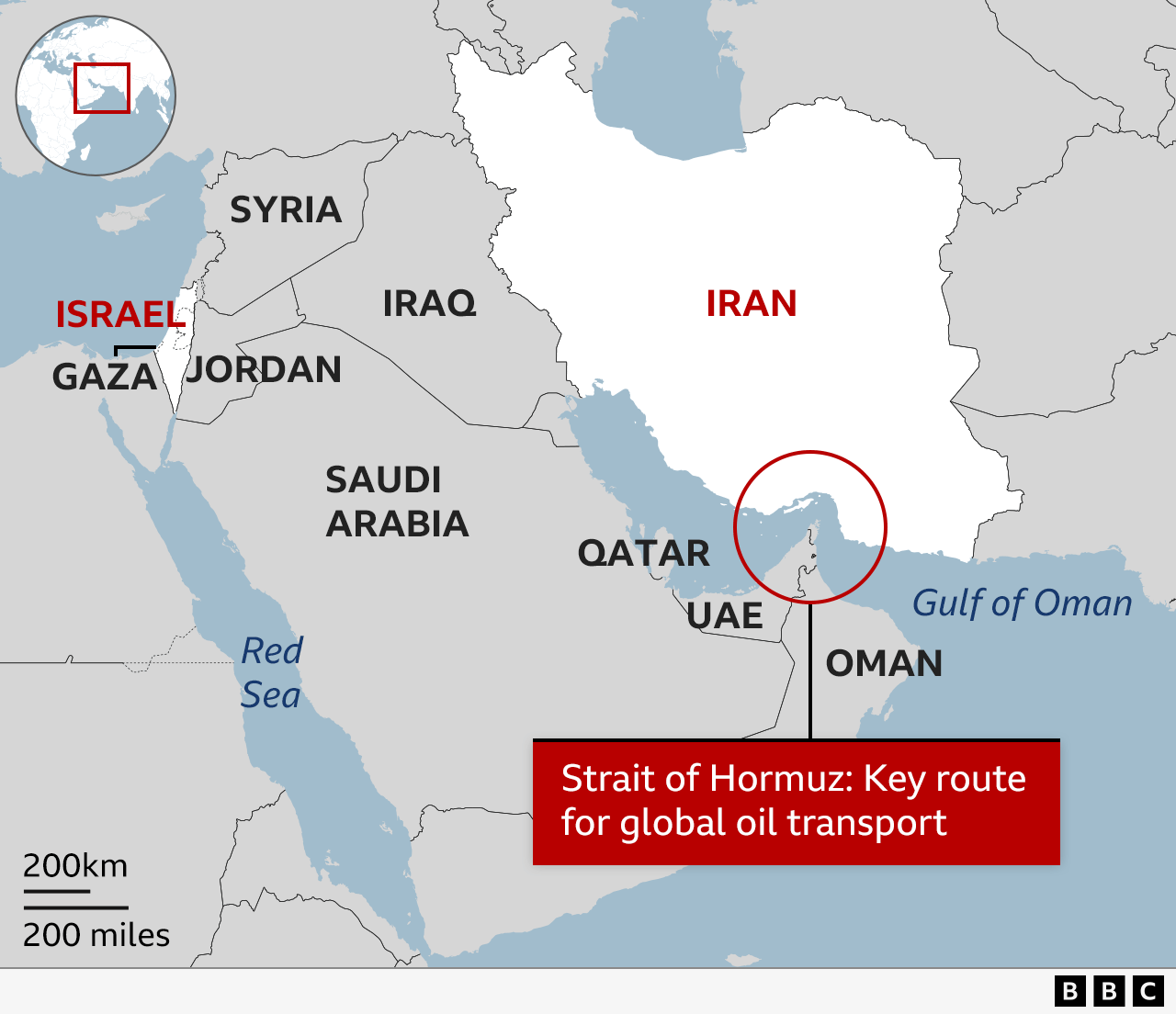
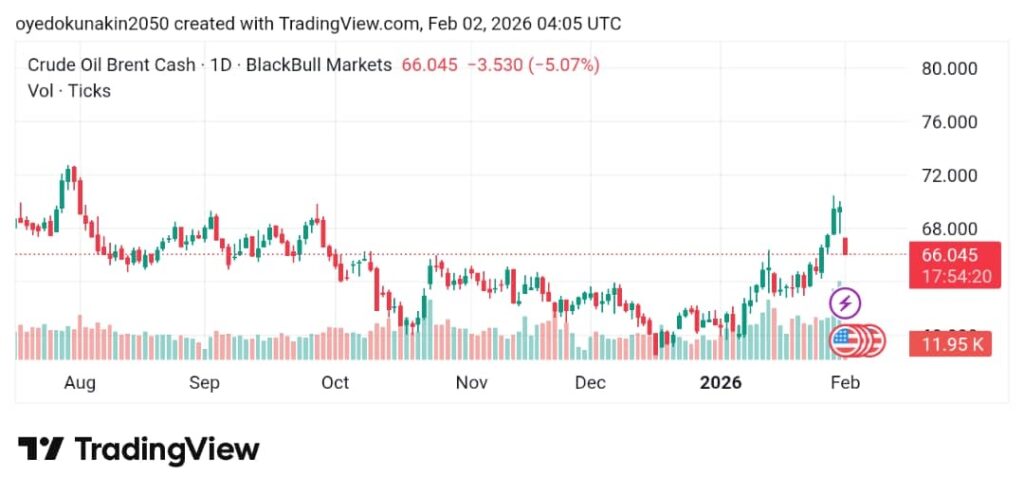
Oil dropped about 5% on Monday after U.S. President Trump signaled easing tensions with Iran, easing fears of supply disruptions. Brent fell to $65.86 per barrel, and WTI to $61.79.
The decline follows January’s rally and was driven by reduced Middle East risks, a stronger dollar, and concerns that global supply could exceed demand. OPEC+ kept March output unchanged amid weaker seasonal demand.
Spain’s Manufacturing Struggles Amid Weak Orders, Rising Costs
Spain’s manufacturing sector started the year on a soft note, with new orders falling at a nine-month low despite stable production. Export demand dropped for the fifth month, pressured by tariffs and a strong euro. Employment and output prices declined as firms faced weaker orders and rising input costs. Manufacturers remain cautiously optimistic, but competition and global uncertainties threaten the sector’s recovery.
Canada’s Manufacturing Sees First Growth in a Year
Canada’s manufacturing sector expanded in January for the first time in 12 months, with the PMI rising to 50.4. Output stabilized, employment grew slightly, and business confidence improved. However, new orders and exports remained weak due to tariffs and slow U.S. demand, while input costs surged, driving inflation to a five-month high. Despite these challenges, the sector shows underlying resilience heading into 2026.
South African Manufacturing Recovers on Domestic Demand
South Africa’s manufacturing PMI rose to 48.7 in January from 40.5 in December, boosted by stronger domestic activity. Exports hit their lowest since the COVID-19 peak, showing the rebound is mainly local.
The business activity sub-index surpassing 50 signals improved production after a weak fourth quarter. Despite global uncertainties, manufacturers remain cautiously optimistic, with six-month outlooks well above the 2025 average
Nigeria’s Private Sector Contracts in January
Nigeria’s private sector slipped into contraction in January, with the Stanbic IBTC PMI falling to 49.7 from 53.5 in December—the first January drop below 50 since 2014. Weak demand hit wholesale and retail, while agriculture, manufacturing, and services still grew. Employment rose slightly, helping reduce backlogs. Rising input and staff costs pushed prices higher, though selling price growth remained modest. Business sentiment softened, but firms remained cautiously optimistic about output for the year.