
Akintunde Oyedokun
Research Analyst
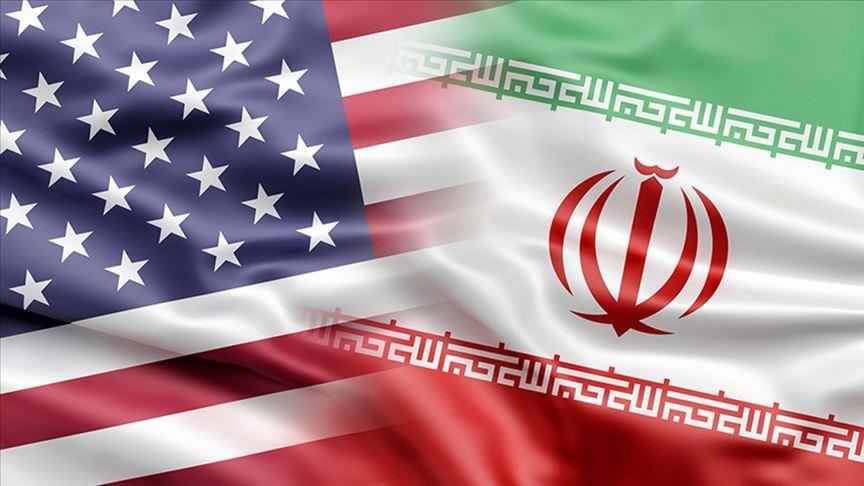
Oil prices rose roughly 1% on Wednesday, supported by renewed tensions between the U.S. and Iran, though gains were limited by a sharp build in U.S. crude inventories.
Brent closed at $69.40 a barrel and WTI at $64.63. President Donald Trump said negotiations with Iran are ongoing but no final decisions have been made.
Stronger U.S. jobs data supported demand expectations, while an 8.5 million-barrel rise in crude stockpiles and high domestic output capped further gains.
Strong January Jobs Data Supports Fed Rate Pause
U.S. employers added 130,000 jobs in January, beating expectations, while unemployment dipped to 4.3%, giving the Federal Reserve reason to keep interest rates steady.
However, revised figures show job growth in 2025 was far weaker than previously thought, averaging just 15,000 jobs per month. Despite sluggish hiring last year, solid economic growth and rising productivity suggest the broader economy remains stable.
Japan’s Wholesale Inflation Slows, but Weak Yen Keeps Prices Elevated
Japan’s wholesale inflation eased for a second month in January, with the corporate goods price index up 2.3% year-on-year. Falling fuel prices helped, but metals, agricultural goods, and food costs remained high. Rising import prices from a weak yen continue to pressure inflation, influencing consumer prices and the Bank of Japan’s future rate decisions.
Zambia Cuts Interest Rate as Inflation Slows
Zambia’s central bank lowered its policy rate by 75 basis points to 13.5% after inflation fell to 9.4% in January. Stronger currency and favorable agriculture are expected to help inflation reach the 6%-8% target by mid-year. Inflation has remained above the central bank’s target since 2019 amid debt-recovery challenges. Mining sector foreign-exchange inflows rose to $759 million in Q4, supporting the economy.
States Spend N455 Billion on Foreign Debt in 2025
In 2025, Nigerian states paid N455.38 billion in foreign debt service, up 25.8% from 2024. Debt repayments are deducted before allocations under FAAC, limiting funds for projects and salaries. Lagos bore the largest share at 20.4%, with the top 10 states covering nearly 69% of total repayments. Regionally, the South-West led with 35.7%, while the North-Central had the least at 6%. The data highlights ongoing fiscal pressure on states due to prioritized external debt obligations.