
Akintunde Oyedokun
Research Analyst
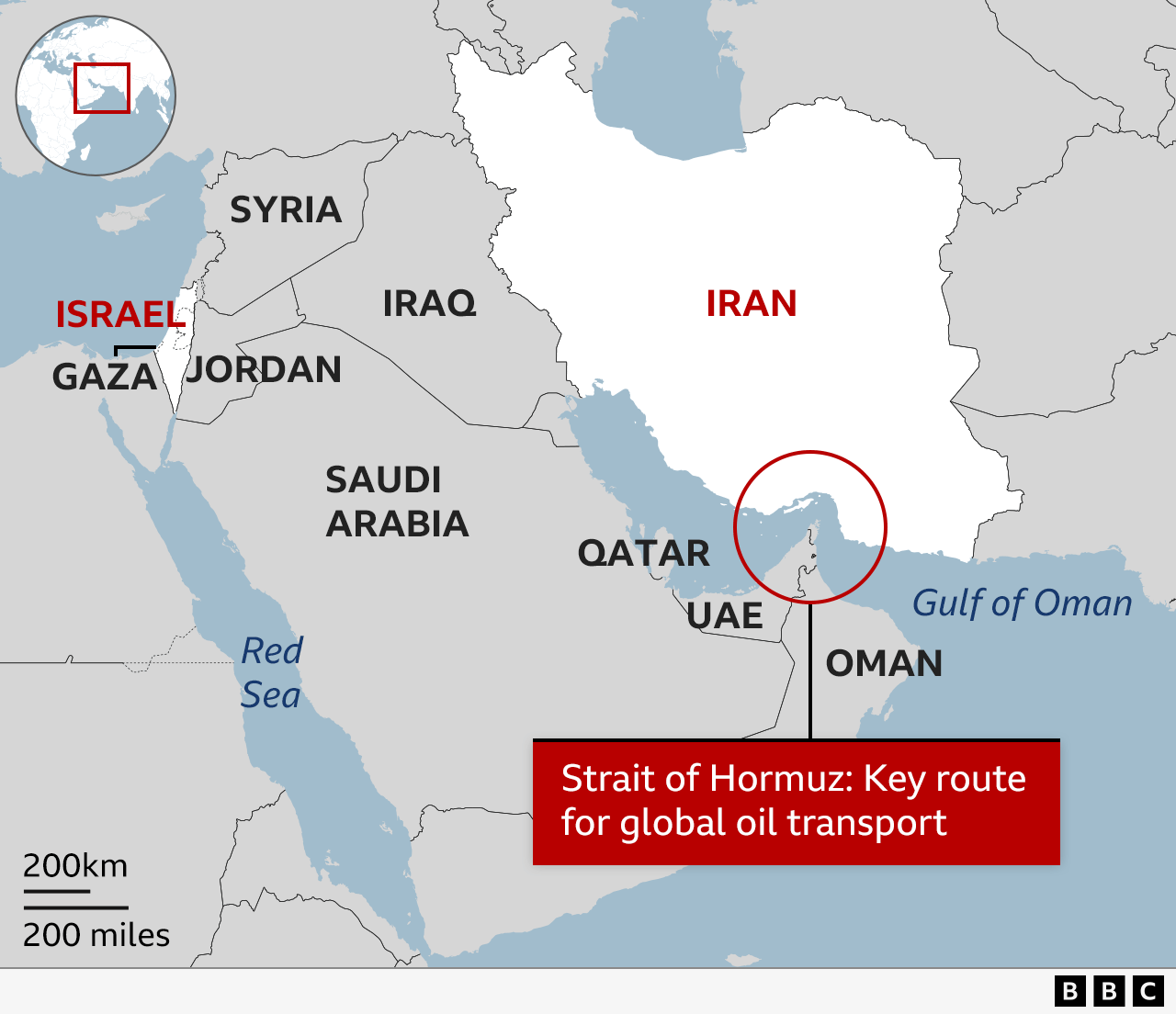
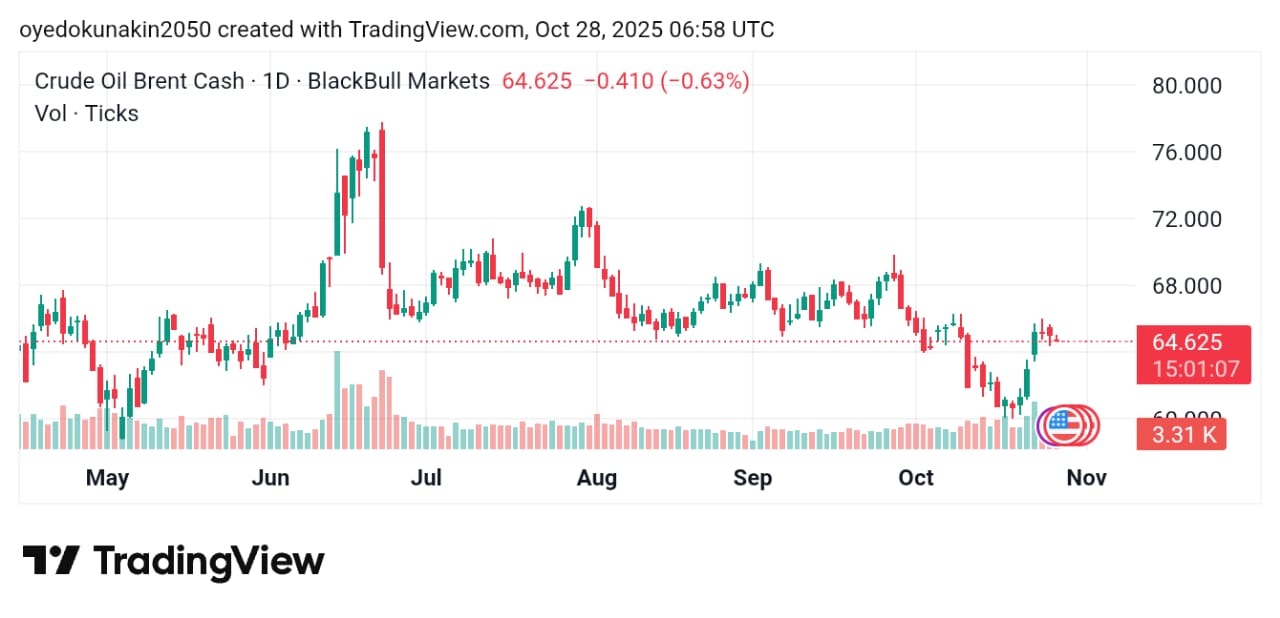
Oil traded near seven-month highs on Tuesday, with Brent crude at about $71.87 per barrel and U.S. crude at about $66.71 per barrel, as traders monitored geopolitical risks ahead of U.S.–Iran nuclear talks.
Market anxiety over possible supply disruption from Middle East tensions and comments from Donald Trump warning Iran added a risk premium to prices. The U.S. also introduced a 10% tariff on most non-exempt imports, while increased Venezuelan crude shipments are expected from March as more large tankers are deployed.
China Keeps Key Lending Rates Unchanged for Ninth Straight Month
China kept lending rates unchanged in February for the ninth consecutive month, with the central bank maintaining the one-year loan prime rate at 3.0% and the five-year rate at 3.5% after a 25 basis points cut to structural policy tools last month.
The decision reflects a cautious monetary approach as China targets about 5% economic growth in 2025, supported by exports, while growth is expected to slow to around 4.5% in 2026 due to weak domestic demand and global uncertainties. Further RRR or rate cuts may occur this year, but a first-quarter cut is unlikely.
U.S. Consumer Confidence Bounces Back in February
U.S. consumer confidence improved in February, climbing 2.2 points to 91.2, according to Conference Board. The index was higher than January’s revised 89.0 and beat expectations of 87.0.
The gain reflected better household views on jobs as U.S. unemployment eased to 4.3% in January from 4.4% in December, though hiring opportunities remain tight. Economic uncertainty linked to trade and immigration policies under Donald Trump continues to weigh on labour sentiment.
Cash Holdings in Tunisia Hit Record $9.6bn
Cash holdings in Tunisia increased about 20% year-on-year to a record 27.5 billion dinars ($9.6 billion), central bank data showed. The rise reflects the country’s strong reliance on cash, which is shrinking bank deposits and limiting lending to businesses and households. The trend has been linked to a 2024 law that tightened cheque usage rules and raised penalties for bounced cheques, prompting more withdrawals. Slow adoption of digital payments, especially outside major cities, also supports cash dominance in daily transactions.
Nigeria’s Central Bank Cuts Rate to 26.50% as Inflation Falls to 15.10%
The Central Bank of Nigeria reduced its Monetary Policy Rate by 50 basis points to 26.50%, slightly above the 26% forecast. The previous meeting in November left rates unchanged.
Inflation slowed to 15.10% year-on-year in January, marking a 10th straight monthly decline. Governor Olayemi Cardoso said earlier tightening, exchange rate stability and improved food supply are supporting further disinflation.
Capital Economics expects an additional 750 basis points of cuts this year, potentially bringing the rate to 19%.