
Akintunde Oyedokun
Research Analyst
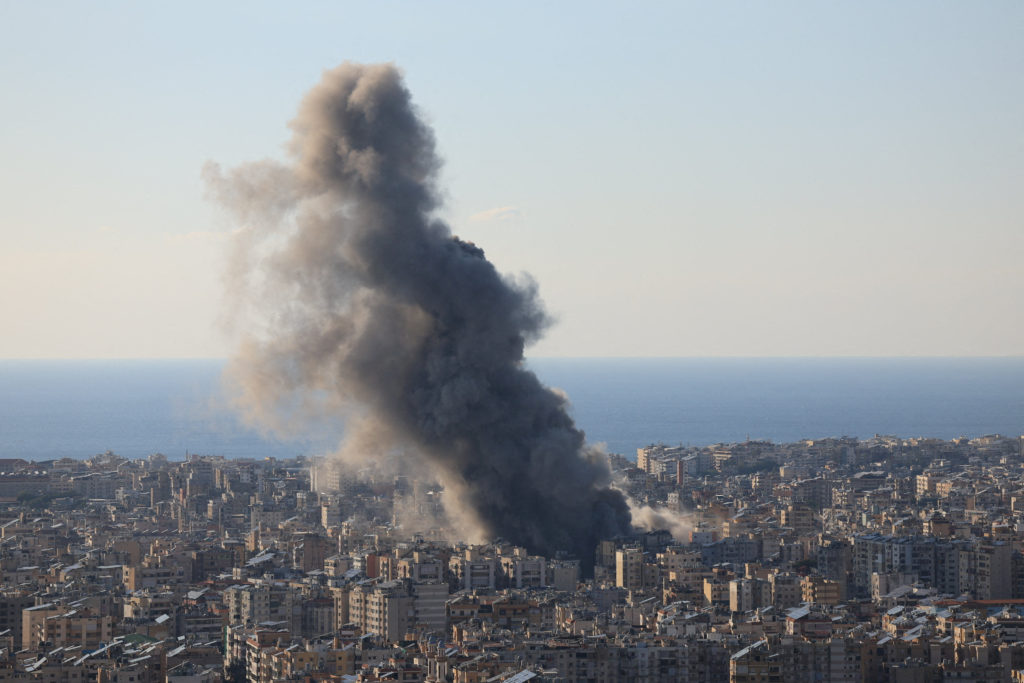
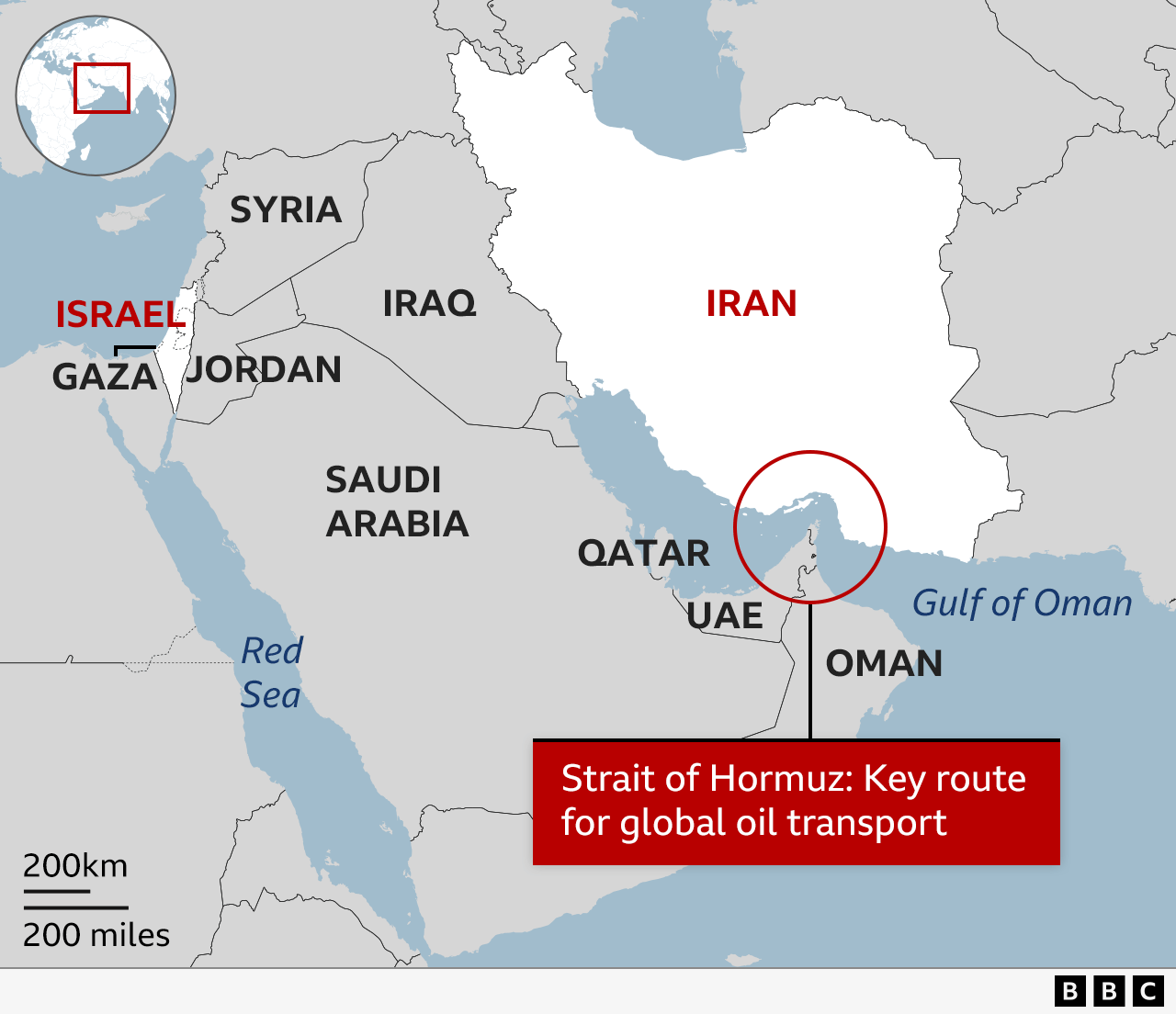
Crude oil prices increased on Friday as the Strait of Hormuz remained closed, raising concerns about global supply disruptions.
Brent settled at $103.14 (+2.67%), while WTI closed at $98.71 (+3.11%). Brent has gained 11.27% since March 6, while WTI is up about 8% over the past week.
The U.S. also issued a 30-day licence for countries to buy stranded Russian oil and plans to release 172 million barrels from its Strategic Petroleum Reserve to calm the market. However, ongoing Middle East tensions continue to keep oil prices volatile.
U.S. Consumer Sentiment Falls as War Pushes Up Gas Prices
U.S. consumer confidence declined in early March as rising gasoline prices linked to the U.S.–Israeli War with Iran increased pressure on household finances.
Data from the University of Michigan showed its consumer sentiment index dropped to 55.5 in March from 56.6 in February, close to economists’ forecast of 55.0 in a Reuters poll.
According to AAA, gasoline prices have jumped over 21% to $3.63 per gallon since the conflict began. Inflation expectations for the next year remained 3.4%, while the five-year outlook edged down to 3.2%.
Bank of Canada May Keep Rates Steady Despite Rising Oil Prices
The Bank of Canada is likely to hold its key interest rate at 2.25% next week and maintain it through 2026.
Canada’s economy, as a net oil exporter, is less vulnerable to the recent surge in crude prices following the U.S.-Israel war on Iran, but higher energy costs still threaten consumer spending. Weak labour and housing markets, combined with trade uncertainties around the United States–Mexico–Canada Agreement, limit the need for rate hikes.
The housing market may face further pressure as rising bond yields push mortgage rates higher, while home prices in major cities like Toronto and Vancouver could continue to decline.
Senegal Repays Debt But Faces Economic Pressure
Senegal met its $480 million Eurobond payment on Friday, yet rising public unrest, spending cuts, and delayed payments to other lenders reveal financial strain. Hidden debts of $13 billion discovered under the previous government froze IMF funding and cut off international bond access. Citizens are protesting austerity measures, while the government relies on regional debt markets, higher taxes, and agency closures to stay afloat. Analysts warn short-term borrowing alone may not secure long-term stability, and the country faces billions in future obligations.
Nigeria’s FAAC Distributes ₦1.894 Trillion For February 2026
The Federation Account Allocation Committee (FAAC) distributed ₦1.894 trillion in February 2026 to Nigeria’s federal, state, and local governments, including ₦1.274 trillion from statutory revenue and ₦619.119 billion from VAT. The Federal Government received ₦675.088 billion, states ₦651.525 billion, local governments ₦456.467 billion, and oil-producing states ₦110.949 billion as 13% derivation revenue. While statutory and VAT revenues fell compared with January, oil and gas royalties, excise duties, import duties, and the Common External Tariff saw slight increases.