
Akintunde Oyedokun
Research Analyst
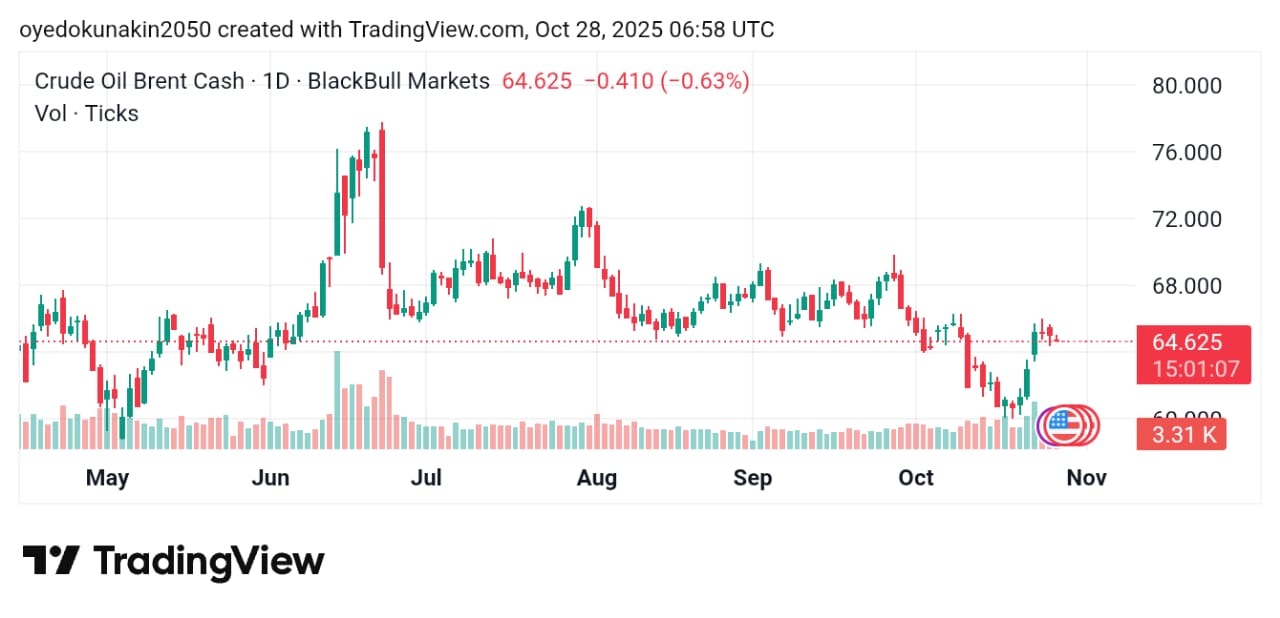
Oil prices closed slightly higher on Friday as traders covered short positions ahead of the U.S. holiday weekend. Brent crude rose to $64.13 per barrel, while U.S. West Texas Intermediate settled at $59.44.
Geopolitical concerns around Iran offered some support, but expectations of higher global supply, especially from Venezuela, capped gains. With demand signals still weak, analysts expect oil prices to remain range-bound.
Canada Housing Starts Rise in 2025 But Slow Toward Year-End
Canada’s housing starts increased 5.6% in 2025 to 259,028 units, ranking as the fifth-highest level on record, supported by a stronger-than-expected rise in December. However, momentum eased in the latter part of the year, with construction activity slowing after the summer despite policy efforts to boost supply and improve affordability.
BOJ Eyes April Rate Hike as Weak Yen Raises Inflation Concerns
Some Bank of Japan policymakers are open to raising interest rates sooner than expected, potentially in April, as the yen’s weakness risks adding to inflation. While rates are likely to remain unchanged at the January meeting following December’s hike, rising import costs and persistent price pressures are strengthening the case for earlier tightening. April is viewed as a critical window, with fresh wage data, business surveys, and updated economic forecasts guiding the decision.
Senegal Secures CFA154bn as Rising Yields Signal Debt Pressure
Senegal raised CFA154 billion ($254 million) at a regional debt auction, with yields climbing across all maturities. Short-term bills cleared near 7%, while longer-dated bonds attracted softer demand but higher yields of up to 7.69%. The country is relying more on regional markets after the IMF suspended its programme, with debt estimated at 132% of GDP. Investor appetite remains cautious as funding costs continue to rise.
Aid Cuts Push Millions In Nigeria Toward Hunger
Millions in Nigeria face severe hunger, with the conflict-hit northeast among the hardest hit. Aid reductions and ongoing insecurity have worsened malnutrition, leaving about 15,000 people in Borno state at immediate risk. The U.N. World Food Programme says it needs $453 million over six months to continue relief efforts.
Conflict, displacement, and economic pressures are driving the crisis to unprecedented levels.