

Akintunde Oyedokun
Research Analyst
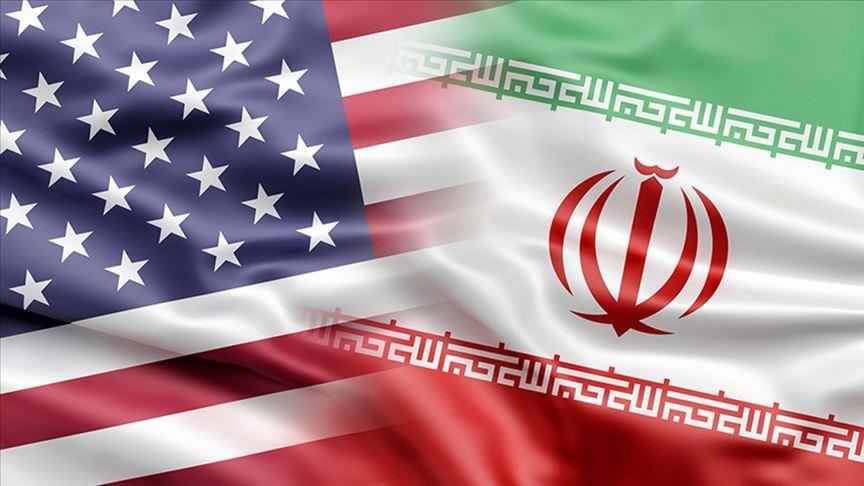
Oil prices rose about 5% on Thursday, recovering from prior losses as escalating Middle East tensions renewed concerns over supply disruptions.
Brent traded above $107 per barrel, while WTI neared $94, reversing the previous session’s decline.
Uncertainty persists as Iran reviews a U.S. proposal but resists negotiations, while rising military activity and threats to key shipping routes continue to pressure the market and drive cautious investor sentiment.
Japan’s Service Inflation Climbs to 2.7%, Supporting Rate Hike Outlook
Japan’s service inflation rose to 2.7% year-on-year in February from 2.6% in January, signaling sustained price pressures.
Data from the Bank of Japan highlights rising costs in labour-intensive sectors like hospitality and construction, driven by tight labour conditions and wage growth.
With inflation staying above its 2% target and increasingly supported by wages, the BOJ remains open to further interest rate hikes.
U.S. Jobless Claims Tick Up Slightly As Labour Market Holds Firm
U.S. jobless claims rose slightly to 210,000 last week, signalling a stable labour market and giving the Federal Reserve room to hold rates while monitoring inflation risks from Middle East tensions.
Continuing claims fell to a near two-year low, though partly due to benefit expirations. Hiring remains slow but layoffs are limited, keeping the market in a “low-hire, low-fire” phase.
However, rising oil prices and policy uncertainties are expected to weigh on job growth, with unemployment likely to tick up modestly in the coming months.
South Africa Holds Rate at 6.75% As War-Driven Inflation Risks Rise
South Africa’s central bank maintained its policy rate at 6.75%, citing rising inflation risks tied to higher global energy prices from the Middle East conflict.
The South African Reserve Bank expects inflation, which eased to 3% in February, to trend higher due to fuel costs and a weaker rand. Governor Lesetja Kganyago said the bank’s cautious approach remains justified.
With rate cut expectations now delayed, policymakers signaled a longer hold stance while keeping growth forecasts steady at 1.4% and 1.9%. The bank warned that prolonged conflict could push inflation above 5% and delay a return to target.
Nigeria’s FDI Share Slips Below 4% Despite Surge in Capital Inflows
Foreign direct investment (FDI) contributed just 3.97% of Nigeria’s $23.22 billion capital importation in 2025, according to the National Bureau of Statistics, even as overall inflows surged.
FDI rose to $923.01 million from $674.71 million in 2024, but its share declined due to a sharp jump in portfolio inflows, which hit $19.74 billion and accounted for 85% of total capital.
While FDI showed some improvement, especially in the second half of the year, it remained small relative to portfolio investments, which dominated all quarters.
Overall, the data highlights stronger foreign inflows but a continued reliance on short-term, yield-driven capital rather than long-term investment