
Akintunde Oyedokun
Research Analyst
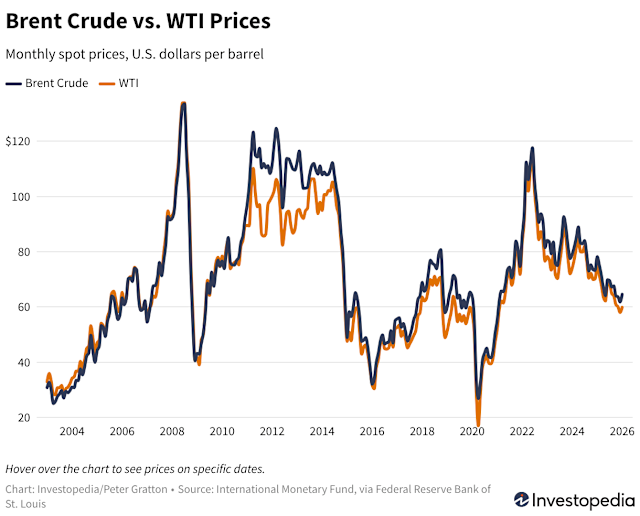
Oil prices fell about 8% on Monday after President Trump delayed strikes on Iranian power plants, citing productive talks. Brent dropped $8.92 to $103.27 a barrel, WTI fell $7.17 to $91.06.
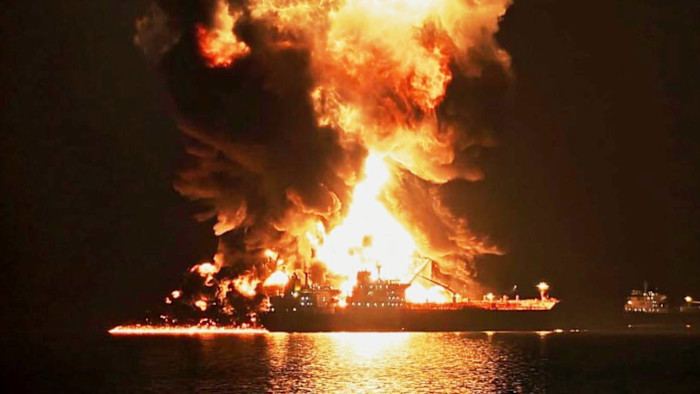
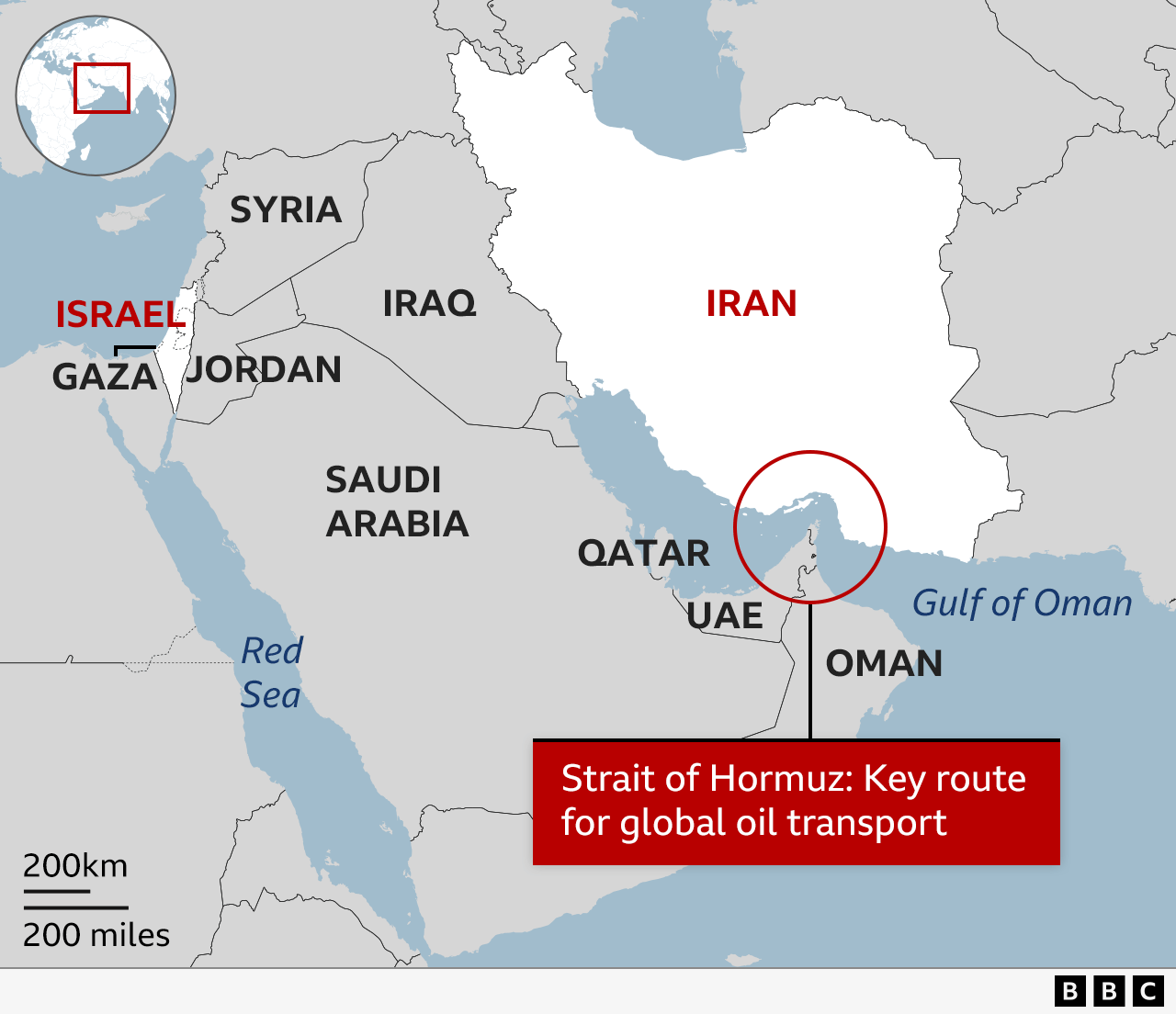
The conflict has disrupted Gulf energy infrastructure and shipping through the Strait of Hormuz, cutting 7–10 million barrels per day. Sanctions waivers allowed some Asian refiners, including India, to resume Iranian imports.
Rising energy costs are hitting global economies: Eurozone confidence fell, Middle East air travel remains disrupted, and China limited fuel price hikes.
February Inflation Edges Up To 1.4% In Singapore, Slightly Above Forecast
Consumer prices in Singapore rose modestly in February, with core inflation at 1.4% year-on-year, slightly above the 1.3% forecast.
Headline inflation came in lower at 1.2%, missing expectations of 1.3%, suggesting overall price pressures remain contained.
The data points to stable inflation trends amid moderate economic conditions.
Policymakers are likely to maintain a cautious stance as they monitor price movements.
US Construction Spending Slips in January as Private Sector Weakens
U.S. construction spending dipped 0.3% in January, missing expectations of a 0.1% rise, after December’s 0.8% increase. Year-on-year, spending was up 1.0%.
The decline was driven by a 0.6% drop in private construction, with residential spending down 0.8% and single-family projects slipping 0.2% amid higher mortgage rates, which rose to 6.22%. Nonresidential construction also fell 0.4%.
Public construction offered some support, increasing 0.6%, led by gains in state, local, and federal projects.
Kenya Airways Sees Strong Demand Boost from Middle East Disruptions
Kenya Airways reported a surge in passenger demand driven by disruptions from the Middle East conflict, with strong traffic from Europe, the U.S., and Asia.
Global aviation has been unsettled, prompting route changes and higher fares. The airline’s load factor has jumped from about 70% in January to between 90% and near full capacity.
Acting CEO George Kamal said international routes are now boosting performance, while the airline holds about 56 days of jet fuel and is seeking additional supplies from India.
Nigeria’s Central Bank Targets 6–9% Inflation, Signals Shift To Transparent Policy Framework
The Central Bank of Nigeria plans to keep inflation within 6–9% in the medium term as it shifts to a more transparent, inflation-targeting policy framework.
The Bank says recent reforms have already reduced inflation significantly, but warns that global risks could affect progress. It also highlighted FX and financial sector reforms as key supports.
Officials, including Muhammad Sani Abdullahi, stressed that policy discipline, credibility, and public trust will be crucial, with support from the Nigerian Economic Society.