

Akintunde Oyedokun
Research Analyst
Oil prices held stable on Tuesday, with Brent at $63.05 and WTI at $59.25, as rising geopolitical risks balanced out oversupply pressures. Ukrainian drone strikes on Russian infrastructure, heightened U.S.–Venezuela tensions, and attacks on Russian vessels have lifted the market’s risk premium. Partial supply relief came as the Caspian Pipeline Consortium resumed some shipments. Meanwhile, U.S. envoys prepared for talks with President Putin, and Russia signaled plans to boost oil deliveries to India after a brief dip in imports.
BoE Cuts Bank Capital Requirements to Boost Lending and Growth
The Bank of England reduced bank capital requirements for the first time since the 2008 financial crisis, lowering the Tier 1 ratio from 14% to 13% to stimulate lending and support the UK economy. Governor Andrew Bailey said the change reflects the evolution of the banking system and current economic conditions, dismissing fears of future instability. Major UK banks passed stress tests, and shares of HSBC, Barclays, Lloyds, and NatWest rose 1–1.5%. Officials urged banks to channel the freed-up capital into lending rather than shareholder payouts.
China’s Services Growth Hits Five-Month Low
China’s services sector expanded at its slowest pace in five months in November, with new orders softening despite stronger foreign demand. Employment fell for the fourth consecutive month, input costs rose, and business confidence slowed, while overall economic momentum moderated, with the composite output index easing to 51.2.
South Africa’s Q3 2025 Growth: Slow Overall, Investment Sparks Hope
South Africa’s economy grew 0.5% quarter-on-quarter in Q3 2025, slower than Q2, with mining and agriculture performing well but manufacturing and utilities contracting. A 1.6% rise in fixed investment, mainly in transport equipment, offers optimism for future growth. Year-on-year GDP expanded 2.1%, exceeding forecasts, and the National Treasury projects modest growth of 1.2% in 2025 and 1.5% in 2026.
Nigeria’s Lighter Terminal Revenue Jumps 47% in 2025
Kirikiri Lighter Terminal generated N13.7 billion from January to October 2025, up 47% from 2024. Outgoing Controller Eghosa Edelduok credited the growth to terminal reforms, faster cargo clearance, and better stakeholder collaboration. She also completed a CSR project at Kirikiri Medium Correctional Centre. KLT aims to continue supporting legitimate trade while tackling illicit activities. The surge mirrors wider gains at Nigerian ports, with Apapa Command posting N304 billion in October and N2.4 trillion for January–October.
Invest 2026 Traders & Investors Summit
Theme: Pre-Election Year Investment Opportunities & Risks
Sub-Topics
1. Comprehensive Earnings Guide for Profitable Investing and Trading in 2026, by Mr Peter Sunday Adebola, Managing Director/CEO Edgefield Capital Management Ltd
2. Pre-Election Year Rally: How Economic Events & Tax Reforms Fuel Bull Or Bear Cases In 2026, by Mr Teriba Adeboye, MD/CEO, Qualinvest Capital ltd
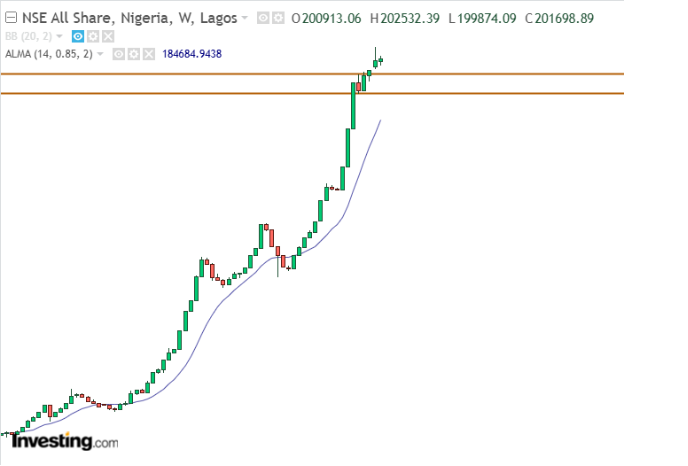
3. NGX Pre-Election Year Performance & Historical Patterns:10 Golden Stocks For Profitably Investing, by Mr Ambrose Omordion, CRO. Investdata Consulting Ltd
4. Nigeria Infrastructural Gap & Fiscal Policy Reforms: Where are Investment Opportunities in 2026, by Mr Tope Ojo, Managing Partner, Tope & Tunde Estate Surveyors & Valuers
5. Investment Opportunities In The Alternative Markets In 2026 & Beyond, by Dr Sylvester Anaba (PhD, FCS) Head Research, United Capital Plc
6. The Pre-election Economy & 2016 Budget: Implementation and Impact On NGX, by Mr Abiola Rasaq, Former Head, Investor Relations & Portfolio Investments United Bank For Africa Plc
7. NGX New Highs & Correction: The Power Of Price Action, Time & Momentum In Profitable Trading In 2026 & Beyound, by Mr Abdul-Rasheed Oshoma Momoh, ED Operations, TRW Stockbrokers Ltd
8. Strategies For Equity Investing & Trading In A Pre-Election Year, by Mr Kebira Jimoh Aruna, MD/CEO GlobalView Capital Ltd
Riding the tide of pre- election Years in Nigeria, 2026 is not just any year—it’s part of a powerful historical trend or pattern that should be known to smart traders or discerning investors in any investment window, market or exchange in Nigeria today. It comes with tradable opportunities and risks that are associated with elections and post-elections. The ability to navigate between politics and economy creates the wealth to makes the difference in your investment. The reading of a nation’s electoral cycle and how investors perceive whether there could be a change in leadership or continuity, is a major factor that results in much of the uncertainty in pre-election years have been known for. This, it is believed can, and does spike market volatility and businesses, especially when it is seen that a new party may take power. This summit will help market players to navigate 2026 profitably by maximizing gains and minimize losses
Take away from this summit includes:
How to construct a resilient and Powerful Portfolio that adapts to market and economic changes.
● What to expect from the market and economy as the new tax reforms kicks off in 2026.
● Why historical patterns and trends in Nigerian election cycle is important when taking your investment decision in 2026 and beyond.
● The power of liquidity and corporate earnings in price movement.
● How to anticipate big sector moves and recovery in 2026 with ongoing reforms
● Understanding the cycle of 4 years opportunities time frames that comes with election preparation in Nigeria
● 10 golden stocks for 2026
Date: December 6, 2025
Fee: N75,000
Venue: Zoom
If you want to be among the winning investors and traders in 2026, send Yes to: 08028164085, or 08179547605 now.