
Akintunde Oyedokun
Research Analyst
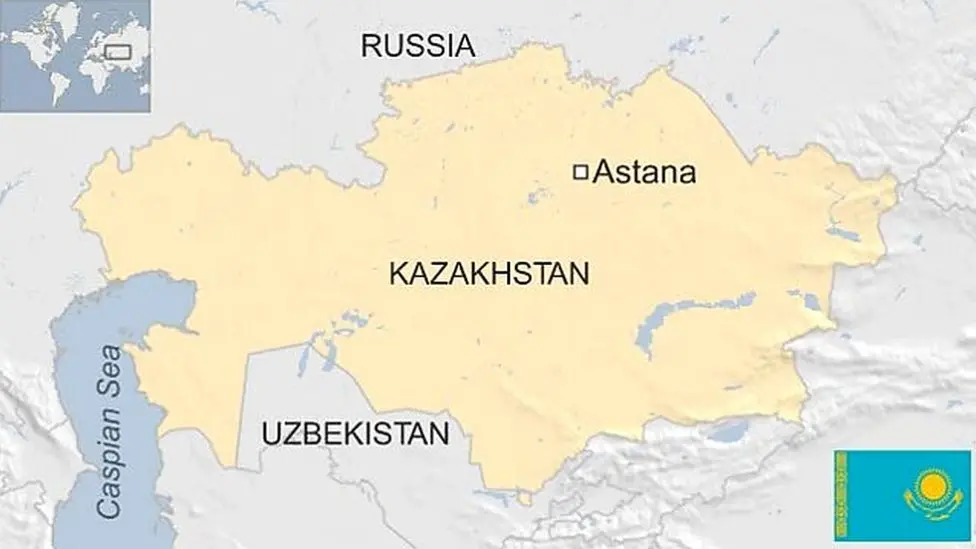
Oil prices inched up on Wednesday, supported by temporary supply disruptions in Kazakhstan.
Brent crude rose to $65.03 a barrel, while U.S. WTI increased to $60.50. Gains were capped by expectations of higher U.S. crude inventories and lingering geopolitical tensions, keeping the market cautious.
Analysts say the market will closely watch U.S. inventory reports and ongoing geopolitical developments for further direction.
UK Inflation Rises in December, Rate Cut Expected in 2026
UK inflation climbed to 3.4% in December, driven by airfares and tobacco, slightly above forecasts. Services inflation edged up to 4.5%. Despite the rise, economists expect price growth to slow in coming months, keeping the Bank of England on track to cut interest rates in the first half of 2026. The pound and market expectations for interest rates remained largely unchanged following the data.
India’s Fiscal Shift to Boost Growth
India will shift its fiscal focus from the deficit to the debt-to-GDP ratio starting April 2026, aiming to support economic growth. The fiscal deficit is expected to narrow to around 4.4% of GDP this year, with a medium-term debt target of 55% of GDP.
Gross government borrowings are likely to hit a record 16–17.5 trillion rupees due to large debt repayments, though net borrowings should remain manageable. Bond markets may face pressure from heavy supply amid slowing demand from insurers and pension funds.
South Africa Inflation Edges Up, Rate Cuts Expected
South Africa’s inflation rose slightly to 3.6% in December, remaining within the central bank’s target range, while the 2025 average was the lowest in 21 years at 3.2%. Core inflation stayed at 3.3%. Economists expect the South African Reserve Bank to cut interest rates further, possibly at its January 29 meeting, supported by high real rates, a stronger rand, and easing inflation expectations. The December rise was mainly driven by housing, utilities, food, and insurance costs.
Nigeria Tops Global AI Adoption, Driving Learning, Entrepreneurship
Nigeria is emerging as a global leader in AI adoption, with 88% of adults using AI chatbots—well above the 62% global average. Nigerians are leveraging AI for learning (93%), work (91%), and exploring business ideas or career changes (80%). Optimism about AI is high, with most users seeing it as a tool for education, professional growth, and economic empowerment. However, the country faces challenges, including limited funding for the National AI Strategy and a lack of AI-ready data centers.