
Akintunde Oyedokun
Research Analyst
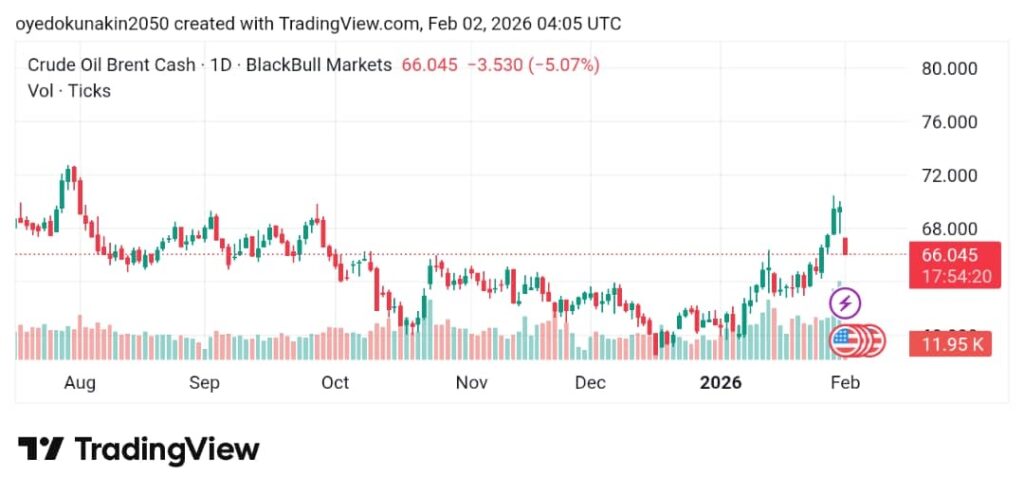
Oil prices edged higher on Friday after slower inflation in the United States raised expectations of lower interest rates. Brent closed at $67.75 per barrel, while WTI settled at $62.89, though both posted weekly losses.
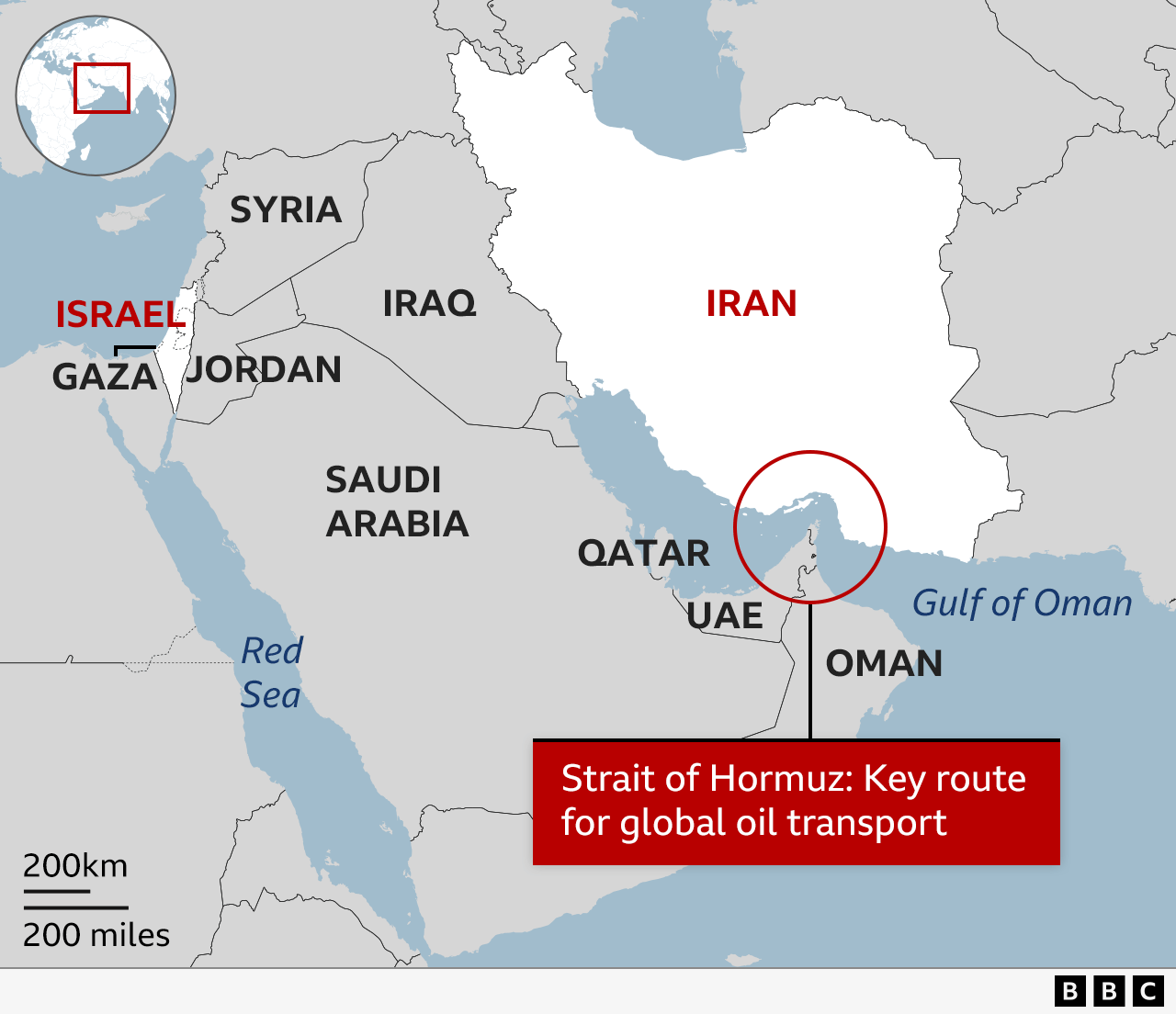
Gains were limited by expectations that OPEC+ could resume output increases in April. Geopolitical tensions involving Iran and Russia, as well as eased U.S. sanctions on Venezuela, also shaped market sentiment.
Russia Lowers Interest Rate to Support Slowing Economy
Russia’s central bank cut its key rate by 50 basis points to 15.5% in a surprise move aimed at supporting economic growth. Governor Elvira Nabiullina said more cuts are possible, though future decisions will depend on inflation trends.
The move followed calls from President Vladimir Putin to boost growth. While the bank raised its inflation forecast slightly due to early-year price increases, it believes inflation is near its peak. Economic growth is expected to remain modest over the next two years.
BoE’s Huw Pill Urges Caution on Further Rate Cuts
Huw Pill says UK inflation is likely to settle around 2.5%, above the 2% target, making further rate cuts inappropriate for now.
Although inflation is expected to dip soon, he believes the decline may be temporary. The Bank of England has already reduced rates six times since August 2024, but policymakers remain divided on the next move.
Pill argues that rates should stay restrictive until inflation pressures are fully brought under control, despite signs of a softer labour market.
Malawi Targets Lower Inflation and Stronger Growth
Malawi plans to cut inflation from 26% to below 21% this year as it battles foreign exchange shortages and weak reserves. President Peter Mutharika said the government aims to lift growth to 3.8% in 2026 and 4.9% in 2027, while seeking support from the International Monetary Fund and restructuring its debt to stabilise the economy.
Foreign reserves remain below the recommended three months of import cover, leaving the country vulnerable to external shocks.
Nigeria Records $6bn Capital Inflows in Q3 2025
Nigeria attracted $6.01 billion in capital importation in the third quarter of 2025, a sharp increase from last year and higher than the previous quarter, according to the National Bureau of Statistics.
Portfolio investments drove most of the inflows, with the banking sector taking the largest share. The United Kingdom, United States, and South Africa emerged as the top sources of capital.
Minister of Industry, Trade and Investment, Jumoke Oduwole, also disclosed that total inflows hit about $21 billion in the first 10 months of 2025, reflecting renewed investor confidence.