

Akintunde Oyedokun
Research Analyst
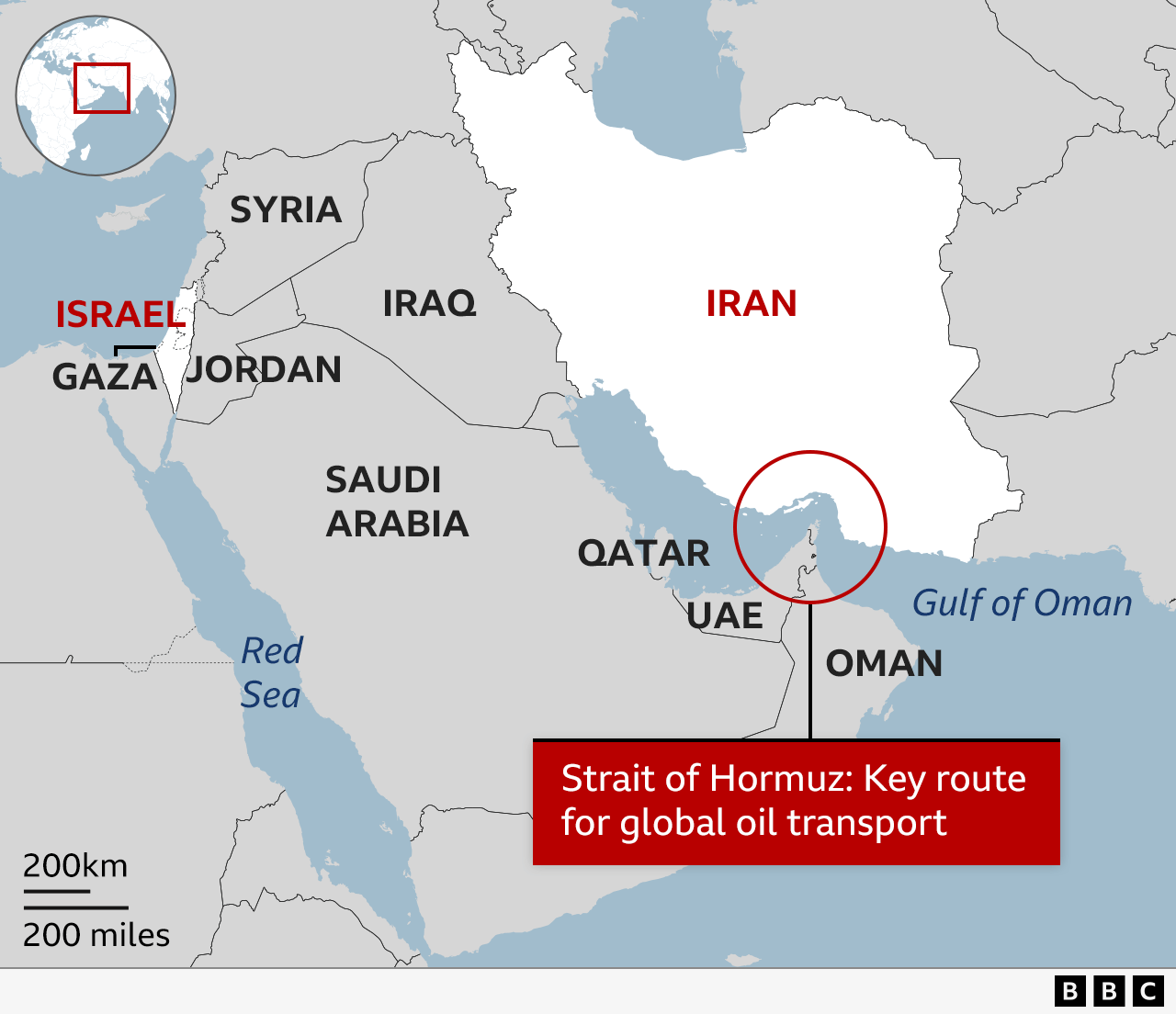
Oil prices dropped sharply below $100 per barrel on Wednesday after Donald Trump announced a two-week ceasefire deal with Iran, tied to reopening the Strait of Hormuz.
Brent fell about 17% to $91, while WTI declined over 18% to around $92, as easing tensions triggered selloffs.
With up to 20% of global oil supply expected to return through the key route, the improved supply outlook weighed on prices, though uncertainty over a lasting peace persists.
RBNZ Holds Rates At 2.25%, Signals Possible Hike As Inflation Risks Rise
The Reserve Bank of New Zealand kept its rate at 2.25% on Wednesday, citing uncertainty from the Middle East crisis.
With inflation at 3.1% and expected to rise, Governor Anna Breman said the bank is ready to act if price pressures worsen.
The decision follows earlier rate cuts aimed at supporting a weak economic recovery.
RBI Holds Rates as Middle East Crisis Clouds Growth, Lifts Inflation Risks
The Reserve Bank of India left its policy rate unchanged at 5.25% on Wednesday, citing rising risks from Middle East tensions.
A ceasefire between the United States and Iran offered brief relief, but higher oil prices continue to pressure India, a major importer of crude.
Governor Sanjay Malhotra warned that while inflation is stable, risks are tilted upward, and growth could slow to 6.9% next fiscal year.
Kenya Holds Interest Rate at 8.75% Amid Oil Price Uncertainty
Kenya’s central bank kept its benchmark rate at 8.75% on Wednesday, pausing after 10 straight cuts to assess the inflation impact of rising oil prices.
Inflation edged up to 4.4% in March, within target. The bank lowered its growth forecast to 5.3% and expects a wider current account deficit due to risks from the Middle East conflict.
Oil prices eased slightly after a temporary ceasefire but remain elevated.
Nigeria’s VAT Revenue Falls QoQ But Records Strong Yearly Growth In Q4 2025
Nigeria’s VAT collections fell to N2.19 trillion in Q4 2025, down 3.78% from Q3’s N2.28 trillion, but rose 12.84% year-on-year.
Local VAT accounted for N1.16 trillion, with import VAT at N535.73 billion and foreign VAT at N503.13 billion. Manufacturing led sector contributions at 25.23%, followed by information and communication and mining.
Performance across sectors was mixed, with gains in water supply and waste management, while agriculture and administrative services declined.