
Akintunde Oyedokun
Research Analyst
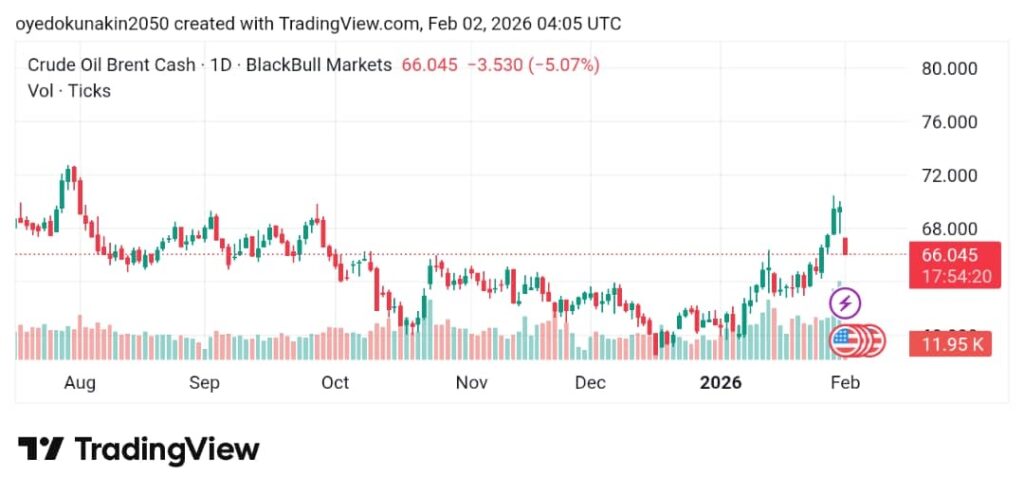
Oil prices dropped Thursday after U.S. crude inventories surged by 16 million barrels last week, the largest build in three years, according to the Energy Information Administration.
Brent fell 95 cents to $69.90 per barrel, while WTI declined $1.06 to $64.36. Weakness in the North Sea physical market also pressured prices, though Brent remains up about 15% this year on Middle East tensions.
Talks between Washington and Tehran continued, with Oman citing “positive” exchanges. Meanwhile, OPEC+ may raise output by 137,000 barrels per day in April, while Saudi Arabia is reportedly boosting supply as a precaution against potential disruptions.
UK Business Confidence Jumps As Consumer Services Remain Weak
Confidence in Britain’s business and professional services sector climbed to -3 in February from -50 in November, its strongest level since August 2024, according to the Confederation of British Industry. However, consumer services sentiment stayed subdued at -45, only slightly better than -47.
Meanwhile, the British Retail Consortium reported consumer confidence at its highest since June 2025, though concerns over slow growth and rising unemployment linger. The Bank of England has lowered its 2026 growth forecast to 0.9% from 1.2%, as Finance Minister Rachel Reeves prepares updated fiscal projections.
U.S. Jobless Claims Tick Up, Labour Market Remains Stable
New U.S. unemployment claims rose slightly by 4,000 to 212,000 last week, indicating a steady but slow-moving labour market. Continuing claims fell to 1.833 million, while the unemployment rate is expected to hold around 4.3%.
Despite stable layoffs, hiring remains weak, and concerns are growing over job availability, especially for young graduates and tech workers affected by AI-driven cuts. The data supports expectations that the Federal Reserve may delay interest rate cuts as inflation remains above target.
Namibia Projects Modest Growth Rebound, Plans Gradual Deficit, Debt Reduction
Namibia projects economic growth of 3.1% this year, up from 2.9%, despite weaker diamond prices, while stronger gold and uranium prices provide some support. The budget deficit is expected to narrow to 5.5% of GDP from 6.6%, with plans to reduce it further to 3.3% by 2028/29. Government debt is forecast at 65.2% of GDP before stabilising, with a long-term target of 60%. The country is also targeting its first crude oil production by 2030, which could significantly boost the economy.
Nigerian Crude Trades Above Budget Benchmark As Geopolitical Risks Support Oil Prices
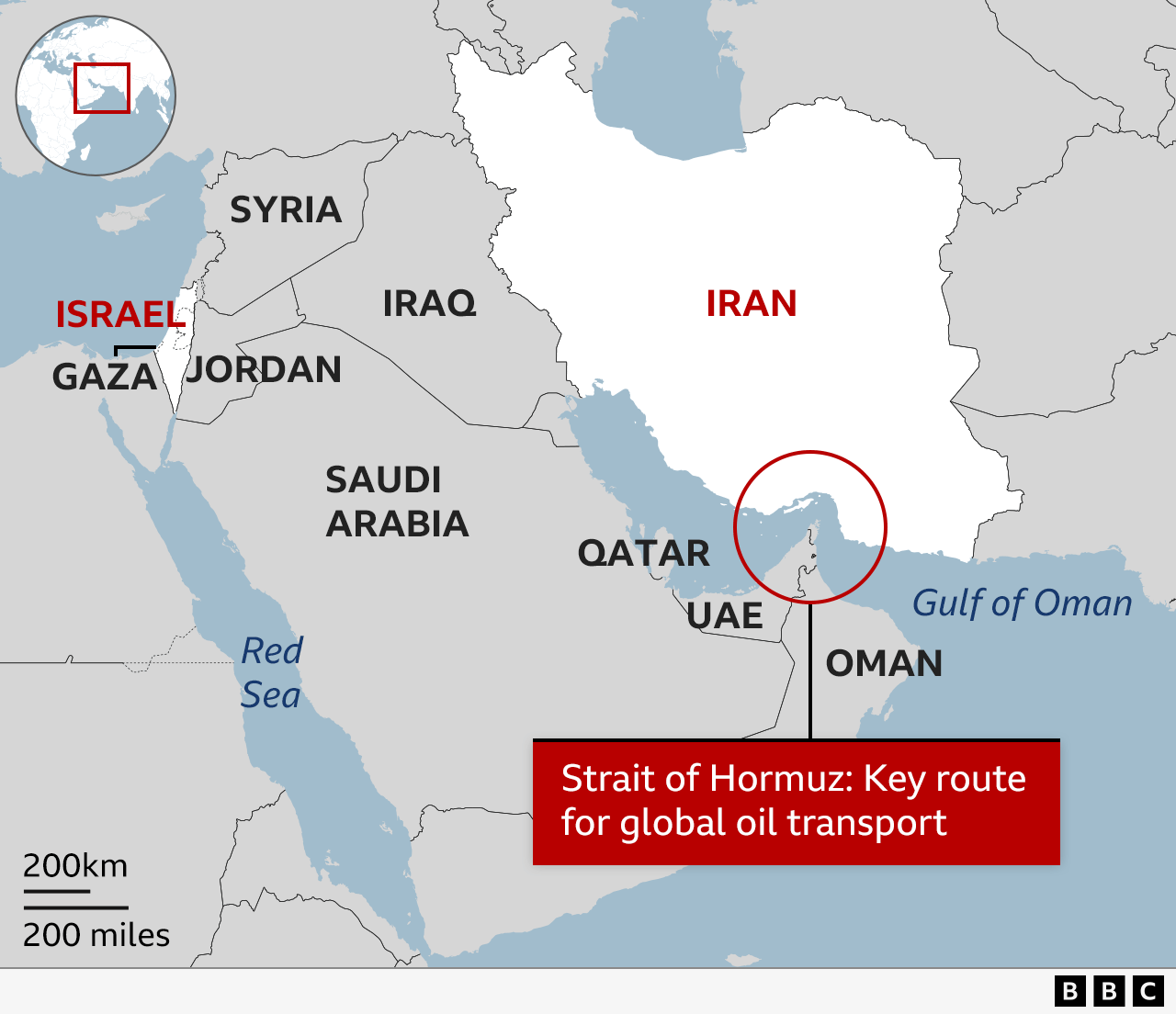
Nigerian crude trades around $71 per barrel, above the 2026 budget benchmark of $64.85 but down 0.7% from $72.3. Prices are supported by geopolitical tensions around the Strait of Hormuz, while the US Energy Information Administration projects global inventories could rise by about 3.1 million bpd this year.
Nigeria targets 1.84 million bpd production in 2026, up from about 1.48 million bpd in January 2025. The Dangote Refinery now operates above 650,000 bpd capacity, supplying about 60–65 million litres of petrol daily and exporting about 20 million litres, while the government opened 50 oil and gas blocks to attract over $10 billion in investment.