

Market Update For March 23, 2026
The Nigerian equities market reopened on Monday, March 23, 2026, following the Eid-el-Fitr break and began trading on a bearish note, driven largely by profit-taking in major blue-chip stocks. Investors liquidated positions in bellwether counters, with heavyweights such as GTCO, Nigerian Breweries, MTN Nigeria, Wema Bank, Zenith Bank, and UBA recording notable declines, alongside 17 other underperforming stocks across the financial, industrial, and consumer goods sectors. This session reflected a typical post-holiday consolidation phase, as investors sought to lock in gains following the index’s recent rally, while balancing exposure in a market that had shown sustained bullish momentum in preceding weeks.
Despite the widespread selling pressure, selective buying was observed in mid- and small-cap equities, suggesting ongoing sector rotation and the presence of underlying liquidity in the market. Market participants appeared cautious but opportunistic, taking advantage of oversold conditions in certain counters, while large-cap stocks bore the brunt of profit-taking. Trading activity was markedly weaker compared to the previous session, with total volume contracting by 86.00 percent to 848.84 million units and total turnover dropping to ₦53.34 billion. The decline in participation reflects both the post-holiday effect and cautious positioning by institutional and retail investors, signaling a wait-and-see approach in a market reacting to both local and global developments.
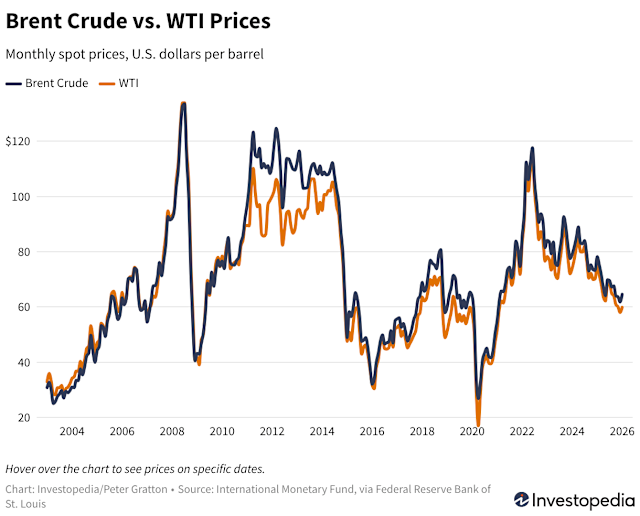
In the global commodities space, crude oil prices recorded sharp declines, adding to the cautious sentiment. Comments from Donald Trump regarding the postponement of potential military action against Iranian energy infrastructure contributed to a pullback in oil prices. Brent crude fell by approximately fifteen percent to trade near $96 per barrel, while West Texas Intermediate dropped roughly thirteen and a half percent to $85.28. This sharp decline in oil prices has implications for sentiment in oil-linked equities and raises questions about potential revenue pressures for an oil-dependent economy such as Nigeria, thereby reinforcing caution in domestic markets.
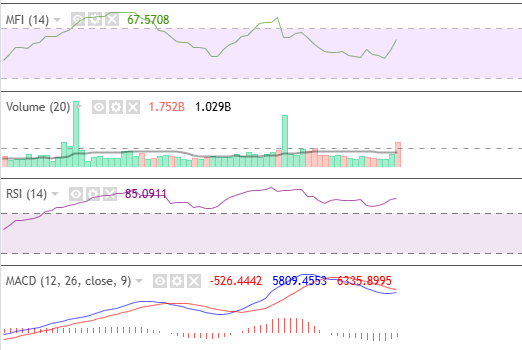
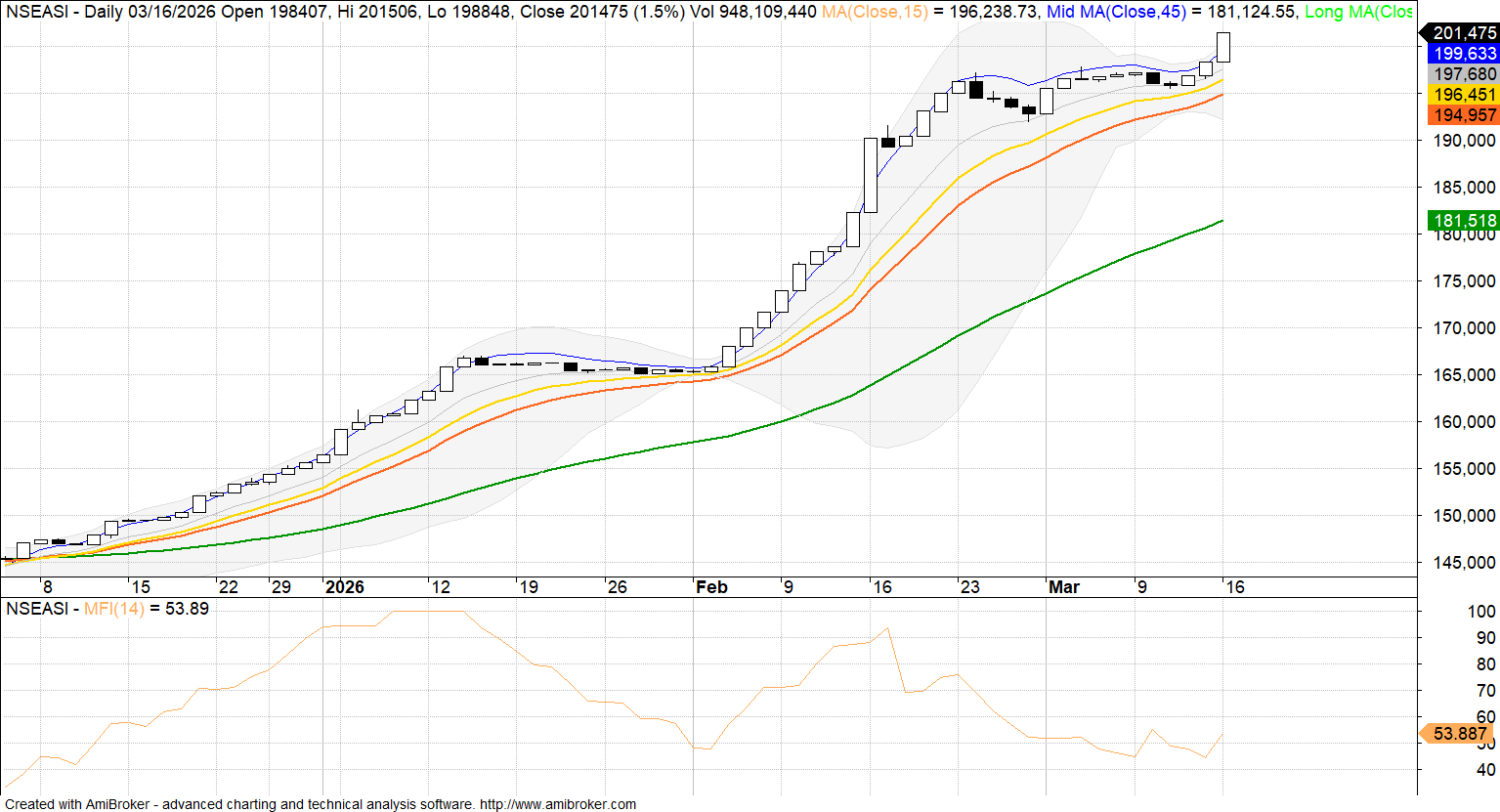
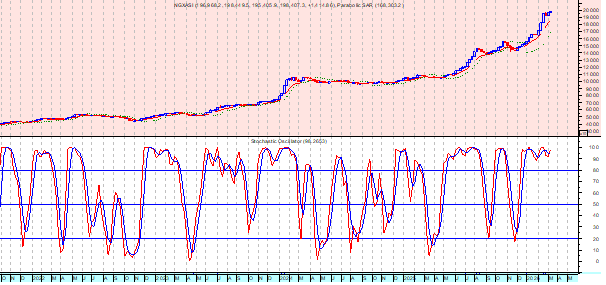
From a technical perspective, the All-Share Index broke below the key psychological threshold of 200,000 points, closing at 199,014.02 points and signaling a short-term correction. Momentum indicators suggest declining buying pressure in large-cap stocks, while increasing distribution in top-tier banks and consumer goods companies highlights a shift toward profit-taking. However, the positive market breadth, with a larger number of advancing stocks relative to decliners, indicates that selective accumulation continues in mid- and small-cap equities. This divergence between the headline index and underlying market breadth reflects rotational activity and suggests that not all investors are retreating from the market. Immediate support is seen at 198,000 points, which could serve as a buffer against further losses, while resistance is identified at 201,000 points. A sustained move below support could trigger additional short-term declines, whereas reclaiming resistance levels may signal a return of bullish sentiment.
The near-term market outlook remains cautiously mixed, with profit-taking in large-cap stocks likely to continue alongside bargain-hunting in fundamentally strong mid- and small-cap equities. Investors are expected to remain selective, focusing on stocks with attractive valuations, strong earnings growth potential, and resilience to external shocks. Global macroeconomic factors, including movements in oil prices, interest rate expectations, and liquidity conditions, will continue to shape market direction. Tactical positioning and research-driven decisions are likely to define market activity in the coming sessions, as participants balance risk with opportunity in a volatile environment.
In terms of detailed market metrics, the All-Share Index declined by 1.07 percent to close at 199,014.02 points, down from 201,156.85 points in the previous session. Market capitalisation fell to ₦127.75 trillion, and the year-to-date return moderated to 27.89 percent, reflecting post-holiday profit-taking. Market breadth closed positive at 43 gainers against 23 losers, highlighting pockets of resilience despite broad-based selling. The session’s top gainers included Presco Plc, which rose ten percent, while John Holt Plc and Premier Paints Plc hit new 52-week highs at ₦13.00 and ₦25.65 respectively. On the downside, Conhall Plc led the losers with a ten percent decline, followed by GTCO which fell 8.18 percent, Nigerian Breweries down 7.29 percent, MTN Nigeria down 6.46 percent, Wema Bank down 3.33 percent, Zenith Bank down 2.27 percent, and UBA down 0.72 percent.
Total volume traded for the session stood at 848.84 million units, valued at ₦53.34 billion across 139,458 deals, with UBA dominating in volume with 114.17 million units representing 13.45 percent of total traded volume, while MTN Nigeria accounted for the highest value at ₦17.45 billion or 32.72 percent of total turnover.
Overall, the session reflected a market undergoing consolidation, where profit-taking in large-cap stocks was offset by selective accumulation in smaller, fundamentally attractive equities, with investors closely monitoring both technical levels and macroeconomic developments for cues on short-term positioning.