
The Nigerian Securities and Exchange Commission (SEC), at the weekend set a January 31, 2026 deadline for capital market operators in the country to renew their registration.
Ahead of that date, the commission plans to begin electronic receipt and processing of applications for registration and updates of registration information to make the process seamless.
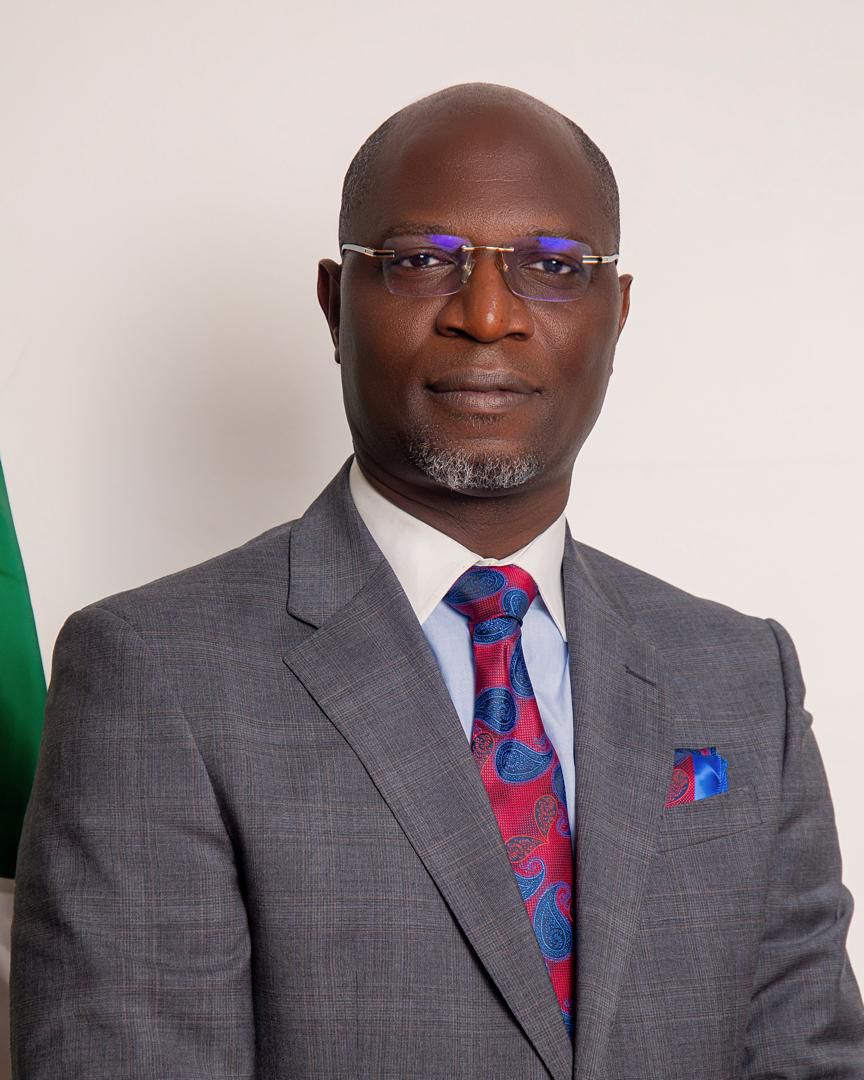
A statement by SEC said its Director General, Dr. Emomotimi Agama disclosed this during an interview in Abuja weekend, assuring that the initiatives by the SEC reflect its “commitment to leveraging technology for faster, more transparent, and efficient regulatory processes.
“The Commission is taking deliberate steps to make regulatory processes faster, more transparent, and technology-driven. We are investing in automation, databased supervision, and secure infrastructure to improve how we interact with the market,“ he added.
Agame stressed that through its Digital Transformation Portal, the SEC has automated registration and licensing end-to-end as operators can now submit applications, upload documents, and track approvals online, cutting down manual processing time and reducing the need for physical visits.
The commission, he assured, has also rolled out the Commercial Paper issuance module, which allows operators to file documents, monitor progress, and receive approvals electronically, noting that feedback from early users shows a clear improvement in turnaround time.
Continuing, Agama said: “work is ongoing to automate quarterly and annual returns submissions, with structured templates and system checks to ensure accuracy. A returns analytics dashboard is also in development to support risk based supervision and exception reporting.
“To back these changes, we have started upgrading our IT infrastructure, servers, storage, networks, and security layers, to boost speed and reliability. Selective cloud migration is underway for platforms that need scalability and external access, while core internal systems remain on premisev5p for now as we assess security and cost implications.
“At the same time, we are strengthening data integrity and cybersecurity with vulnerability assessments and planned penetration testing once automation and migration phases are stable. These efforts show our commitment to building a modern, resilient regulatory environment that supports efficiency, investor confidence, and market stability,“ he further noted.
Agama affirmed that the Nigerian Capital Market is clearly on a path toward digital transformation, adding that there is an urgent need for regulatory clarity on advanced technologies, targeted support for smaller firms, and capacity-building initiatives.
For him, “a phased and proportionate approach to regulating emerging technologies such as AI is essential, complemented by internal readiness through supervisory technology tools. Furthermore, investor education, particularly among younger demographics, will be critical to future-proof participation and drive fintech adoption.
“Innovation is vital, but it must be accompanied by responsibility. As operators embrace automation, artificial intelligence, and data-driven tools, they bear a duty to ensure ethical, secure, and compliant deployment. Safeguarding investor data, preventing market abuse, and maintaining operational resilience are non-negotiable.“
The SEC DG said ultimately, responsible technology adoption is about building trust, the cornerstone of our markets saying that trust thrives on fairness, transparency, accountability, and regulatory compliance.
He therefore challenged operators to uphold these principles adding that it will not only protect investors and systemic stability but also strengthen the long-term credibility and competitiveness of the Nigerian Capital Market.