

By Victor Ogiemwonyi marketconversations.substack.com
The fundamentals of the Nigerian economy are growing stronger. We are witnessing a slowing inflation rate, a stabilizing Naira, increased manufacturing activities, and growing exports. However, a critical question remains: Are these growth drivers sustainable, and can they be accelerated?
The Macro-Micro Dilemma: A “Chicken and Egg” Debate
Recently, I was involved in a debate regarding the sequence of economic recovery. What comes first—macroeconomic fundamentals or the microeconomic benefits of policy?
I argued that patience is required for macro fundamentals to translate into micro benefits. Everything starts at the macro level. It is the foundation and pillar structure of a building. Unless the foundation is well-laid, the structure will not stand. We need macro stability before micro benefits, such as affordability and increased purchasing power can manifest.
The crises involving the Naira, subsidies, and inflation were neglected for years by leaders who were afraid to make difficult decisions. Consequently, it will take time to rectify these long-standing wrongs.
Facing the Reality of Reform
No rational person in Nigeria can deny the current levels of poverty, suffering, and corruption. These are our present realities, but they will gradually recede with time and sustained reforms. We cannot return to the flawed policies that birthed these crises. Those who focus solely on the past are looking through a rear-view mirror; they must look forward to the future, or risk being paralyzed by the view of what we left behind.
The counter-argument I received was that “Micro is the true foundation.” This view suggests that when firms and households perform better, their combined activity results in higher output, more jobs, increased incomes, and greater investment. Without these local activities, macro growth is often seen as artificial—driven merely by debt, oil windfalls, or temporary inflation.
I cannot dismiss this view. The argument is circular in nature, a “chicken and egg” scenario. However, the proper focus should be on results. If citizens do not feel the impact of good economic policies quickly, they will lose patience and turn against the reforms necessary for long-term prosperity.
The Need for Accelerated Growth
Current growth, hovering around 3.94%, is insufficient to make any real impact. To truly transform lives and lift millions out of poverty at the required level, Nigeria needs a sustained growth rate of at least 7% over the next decade. To achieve this acceleration, we must urgently address two primary bottlenecks: Electricity and security.
1. Solving the Electricity Crisis
As I stated in a previous article, “Without electricity, everything else is on hold.” Solving the power crisis is the heartbeat of productivity and economic growth. It is the single most important factor in lowering the cost of doing business.
2. Decentralizing Security
Next to electricity is the ravaging insecurity affecting every sector. We must confront and defeat it as quickly as possible.
Our current centralized security architecture is a “clog in the wheel” of progress. No matter the budget, security will remain elusive unless the architecture changes.
Security is local. We must adopt a three-tier policing system:
* Federal Police: For national and interstate issues.
* State Police: For state-wide law enforcement.
* Local Government Police: For community-level intelligence and safety.
By employing people from the local areas they serve, we leverage local intelligence. Someone from Sokoto working in Imo State is unlikely to have the inherent community knowledge required for effective policing. Nigeria has successfully used community-level security for centuries; it is time our formal architecture reflected that.
Bridging the Infrastructure Deficit
Nigeria’s infrastructure gap is too huge for the government to bridge using limited budgets alone. We must collaborate with the private sector by creating incentives and removing regulatory hurdles. The government should utilize its power of “eminent domain” to resolve land and right-of-way issues, allowing for rapid development.
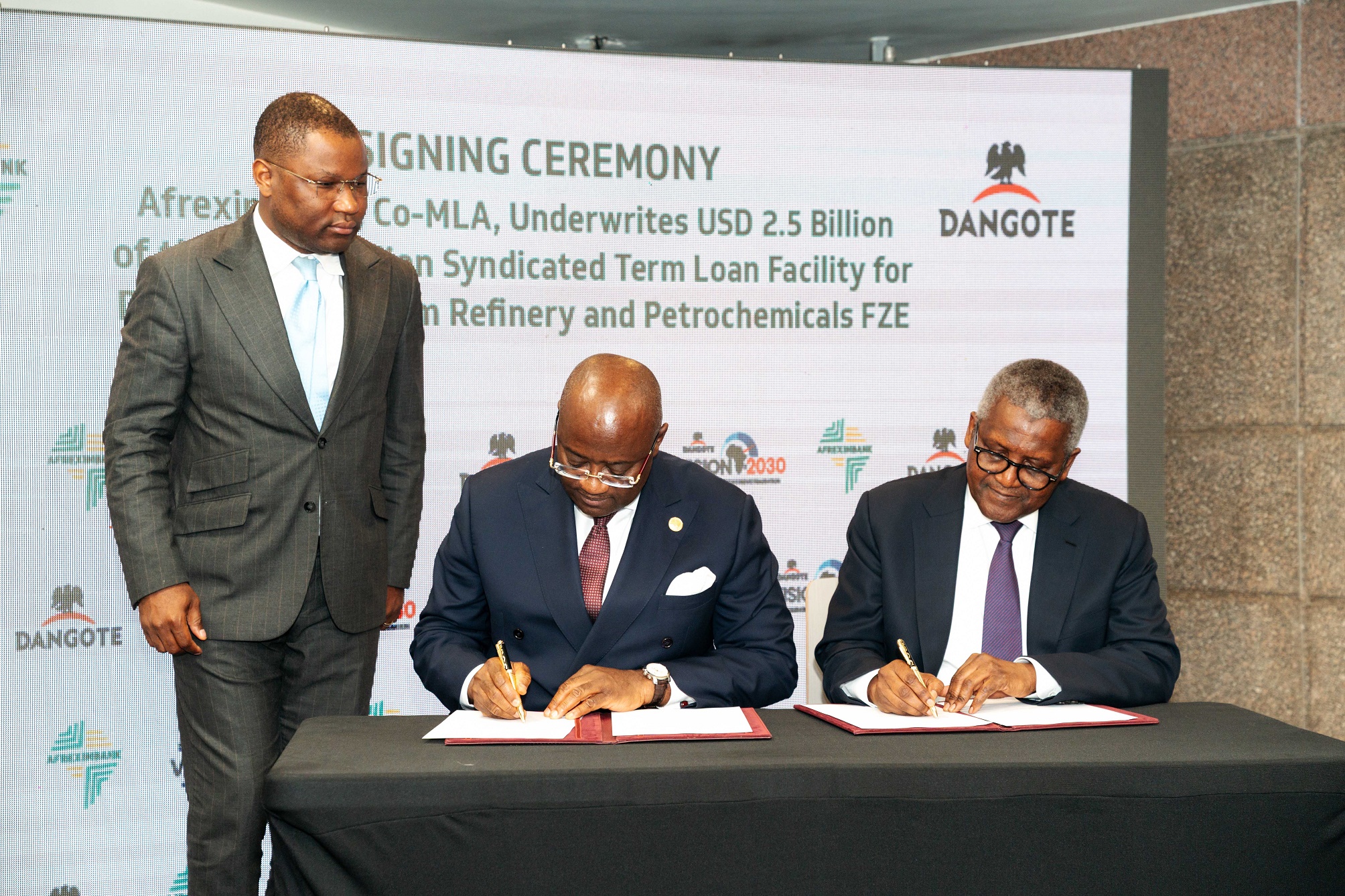
In this regard, the recent reversal of the Road Infrastructure Tax Credit Scheme is unfortunate. If the policy had implementation weaknesses, they should have been corrected rather than abandoned. Constant policy reversals make long-term planning impossible for investors. The Oworonshoki-Oshodi-Apapa Highway in Lagos completed by the Dangote Group is a testament to the speed and quality this policy can deliver.
The Role of Monetary and Fiscal Policy
The Central Bank of Nigeria’s (CBN) monetary policies over the last two years prove that consistent and transparent policies build confidence. These actions have stabilized the Naira and encouraged a renewed inflow of investment. Current Foreign Reserves have reached $49 billion, a commendable achievement given the low starting point and the burden of outstanding deficits that previously caused international airlines to suspend operations.
With these issues resolved, trading partners now have the confidence to extend credit lines, enhancing productivity and expanding the economy. Even Foreign Portfolio Investment (often called “hot money”) provides stability if the inflows are consistent. We are also seeing an improving Balance of Payments emerging, meaning that we are importing less and exporting more. However, there is still room to grow by adding value to our commodities through local processing.
The Path Forward: Lowering Interest Rates
The next major step for the CBN should be a gradual lowering of interest rates. While high rates were necessary to curb inflation, maintaining them too long will stifle growth. The challenge remains the excess liquidity outside the banking system, which may be exacerbated by future election spending that may further spike inflation.
Achieving a balance requires the fiscal authorities to work in tandem with the CBN. As Governor Yemi Cardoso has noted, monetary policy alone cannot solve every problem. Only when these structural fundamentals- power, security, and consistent infrastructure policy…are in place, is when the current growth drivers can truly accelerate and become sustainable.
Victor Ogiemwonyi is a Retired Investment Banker, and writes from Ikoyi, Lagos