
UK government bonds are sliding sharply, with yields surging past levels last seen during the fallout that toppled former Prime Minister Liz Truss, raising fresh concerns that an energy-driven shock is rapidly evolving into a broader problem for the government and UK households and businesses.
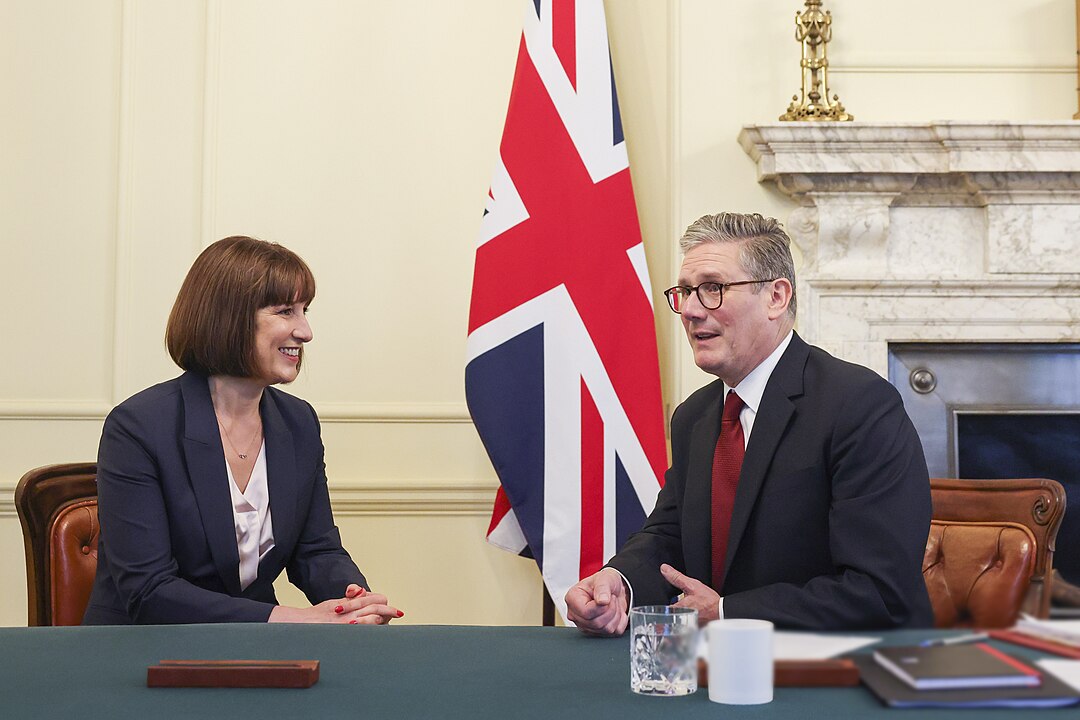
This is the stark warning from Nigel Green, CEO of global financial advisory giant deVere Group, as UK PM Keir Starmer convenes an emergency COBRA meeting on the Iran war fallout, with Chancellor Rachel Reeves and Bank of England Governor Andrew Bailey set to attend.
The focus will be on energy security, inflation, and economic resilience.
Green explains: “What we are witnessing is the early stage of a dangerous chain reaction. A spike in oil and gas prices is feeding directly into inflation expectations, and bond markets are responding fast.”
The numbers underline the scale of the shift.
UK 10-year gilt yields have surged above 5% for the first time since the global financial crisis, while a benchmark index tracking conventional gilts has dropped nearly 5% this month alone, which is its worst performance since the turmoil that forced Liz Truss from office in 2022.
More than £100 billion has been wiped from the market value of UK government bonds in a matter of weeks.
Nigel Green says the comparison with the Truss-era crisis is not about policy missteps, but about how quickly markets can reprice risk when confidence is tested.
“Under Liz Truss, it was a credibility shock triggered by fiscal decisions. Today, it’s an external shock coming from energy markets.
“But the outcome is similar with investors demanding higher yields, and that pushes borrowing costs higher across the entire economy,” he explains.
The UK’s structural exposure is a key factor.
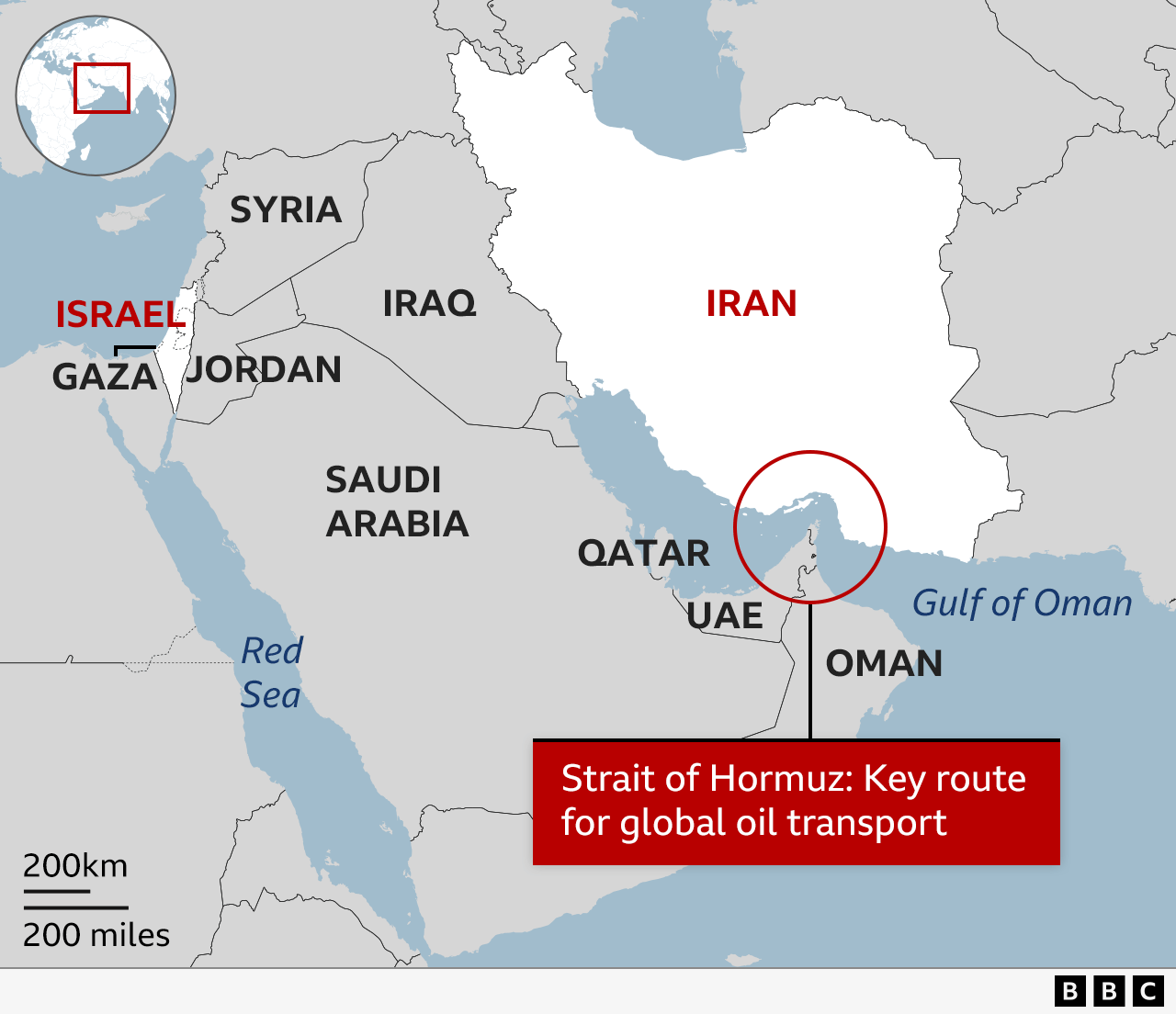
“Heavy reliance on imported gas leaves it particularly vulnerable to global price surges, especially as tensions in the Middle East threaten critical energy infrastructure and supply routes.
Nigel Green warns that inflation “could now climb back toward 5%” if elevated energy prices persist, forcing a reassessment of interest rate expectations.
“There’s growing pricing for a more hawkish Bank of England stance. This adds another layer of pressure, because higher rates reinforce higher yields, and the cycle feeds on itself.”
For Chancellor Rachel Reeves, the policy choices are narrowing.
“Rising borrowing costs increase the strain on public finances at the same time as political and economic pressure builds to support households and businesses facing higher energy bills.
“Support measures may be needed, but they come with a cost. The more the government spends, the more markets scrutinise sustainability. That tension can escalate quickly.”
The implications extend far beyond Westminster. Higher gilt yields ripple through the financial system, raising mortgage rates, increasing corporate borrowing costs, and tightening conditions for consumers.
Nigel Green stresses that the current situation illustrates a broader and often underestimated dynamic.
“Commodity shocks don’t stay contained. They move into inflation, then into bond markets, and then into the real economy.
“By the time it reaches borrowing costs, everyone feels it—governments, businesses, and households alike.”
There is also a growing risk of spillover into global fixed income markets. As investors reassess inflation and interest rate trajectories, moves in one major bond market can quickly influence others, particularly in an environment already shaped by geopolitical uncertainty.
“The UK is at the sharp end of this shift right now, but it’s unlikely to be the only one,” Nigel Green adds.
“If energy prices remain elevated, we could see similar pressures building elsewhere.”
The emergency COBRA meeting underscores the urgency of the moment. Policymakers are facing a rapidly evolving situation in which an external geopolitical crisis is feeding directly into domestic economic stress.
Nigel Green concludes: “The lesson is clear—what starts as an oil and gas shock can very quickly become a financial shock. The surge in gilt yields is an early warning sign.”