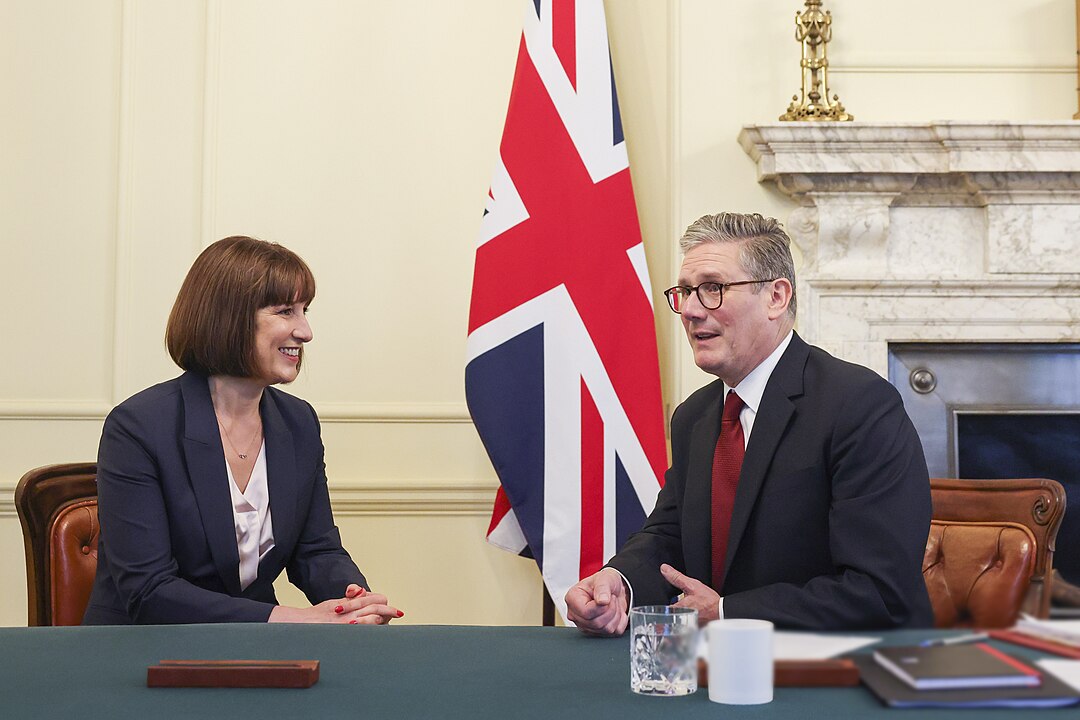

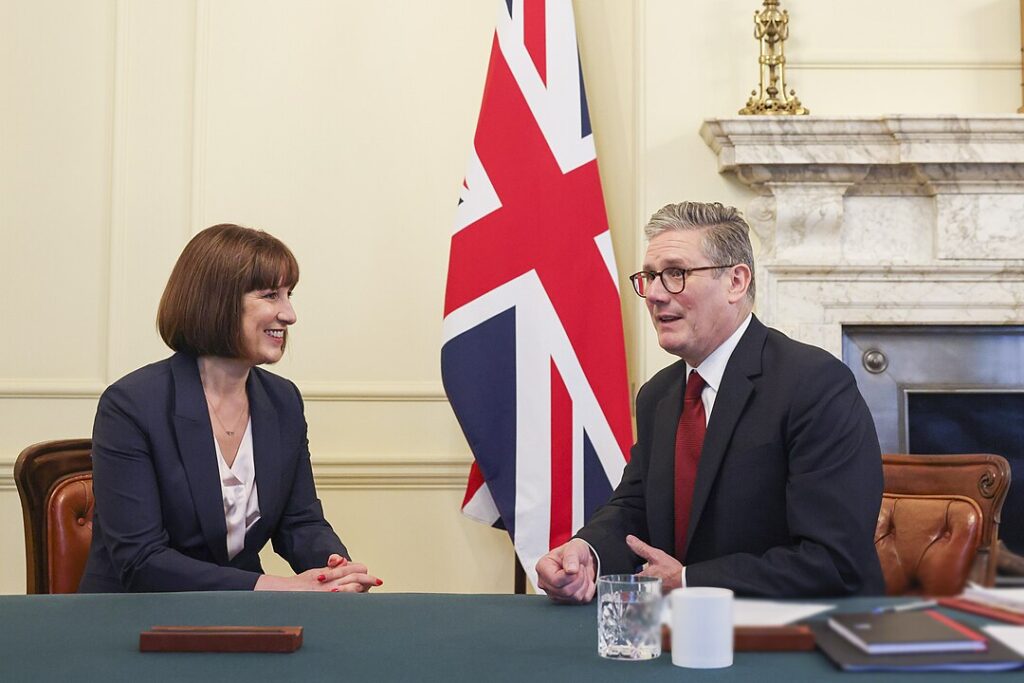
05/07/2024. London, United Kingdom. Prime Minister Keir Starmer appoints his cabinet from the Cabinet Office in 10 Downing Street. Picture by Simon Dawson / No 10 Downing Street
James Green, regional director of deVere Group one of the world’s largest independent financial advisory organisations wants UK residents to brace for higher inflation and higher-for-longer interest rates for the rest of the year.
The warning from deVere chief, a company with global experience across 18 regulated financial entities, comes as UK inflation holds at 3% in February, noting that “today’s UK inflation data reflects the period just before a renewed surge in global energy prices tied to escalating tensions involving Iran.
“Inflation is now, by almost all estimates, turning higher again.
“I fear that many households, businesses and investors could be underestimating the scale and speed of what’s coming.
“Energy prices are rising sharply, and that feeds directly into every part of the economy. Households, businesses and investors are all exposed.”
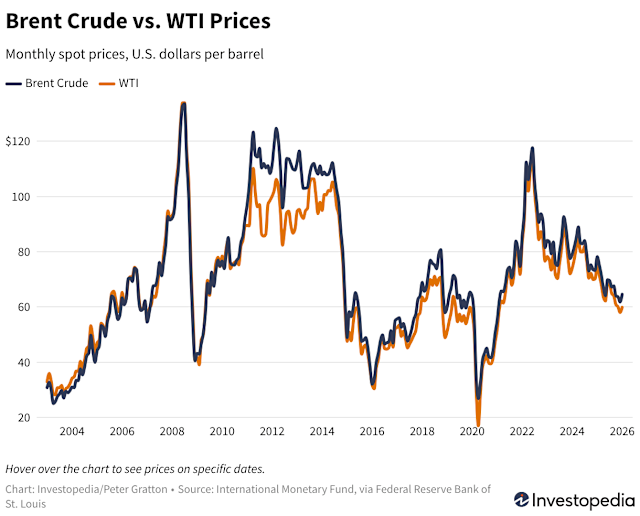
The latest data captures a moment before the energy shock intensified. Since then, oil and gas prices have moved decisively higher, while shipping routes and supply chains face renewed disruption.
The result is a fresh wave of cost pressures building across the UK economy.
“This is a broad-based inflation impulse driven by energy, and it’ll push up the cost of transport, food, manufacturing and daily essentials.
“Households should expect bills to rise again. Businesses should expect margins to come under pressure.”
Expectations for interest rate cuts are already being repriced. Financial markets are pushing out the timing of any meaningful easing as inflation risks rebuild.
James Green says: “Interest rates will, we expect, stay higher-for-longer. The idea of rapid cuts this year is becoming increasingly unlikely.
“The Bank of England will be unlikely to ease policy while inflation is accelerating again. Doing so would risk losing control of price stability.”
For households, the consequences are immediate.
“Mortgage costs will remain elevated, refinancing becomes more expensive, and disposable income is squeezed further as living costs rise.
“It’s a direct hit on household finances. Borrowing remains costly, and inflation erodes purchasing power at the same time.
“People need to take action now by reducing exposure to variable-rate debt, securing fixed terms where possible and strengthening savings buffers.”
Businesses face a similarly challenging environment. Rising input costs, higher financing expenses and weaker demand create a difficult operating backdrop.
“Companies are being squeezed from both sides. Costs are rising while customers are becoming more cautious.
“Business leaders need to prioritise cost control, protect margins and ensure they have the liquidity to withstand a more volatile period.”
The shift for investors is significant and requires a decisive response.
“Portfolios built for falling inflation and lower rates are now at risk.
“In this environment, investors need to focus on assets that can perform under inflationary pressure. Commodities, energy-linked investments and companies with strong pricing power become far more important.”
Bond markets are also vulnerable if inflation proves more persistent, with yields likely to remain elevated and price volatility increasing.
Currency markets may reflect diverging policy paths as economies respond differently to the same shock.
Geopolitical developments remain central to the outlook. A prolonged conflict would sustain pressure on energy markets and extend the inflation cycle.
James Green concludes: “Today’s inflation data might have remained unchanged at 3%, but all indicators warn it’s set to rise again, and, therefore, interest rates will likely remain elevated.
“Those who act early to protect their finances, strengthen their businesses and position their investments will be far better placed than those who delay.”