
Akintunde Oyedokun
Research Analyst
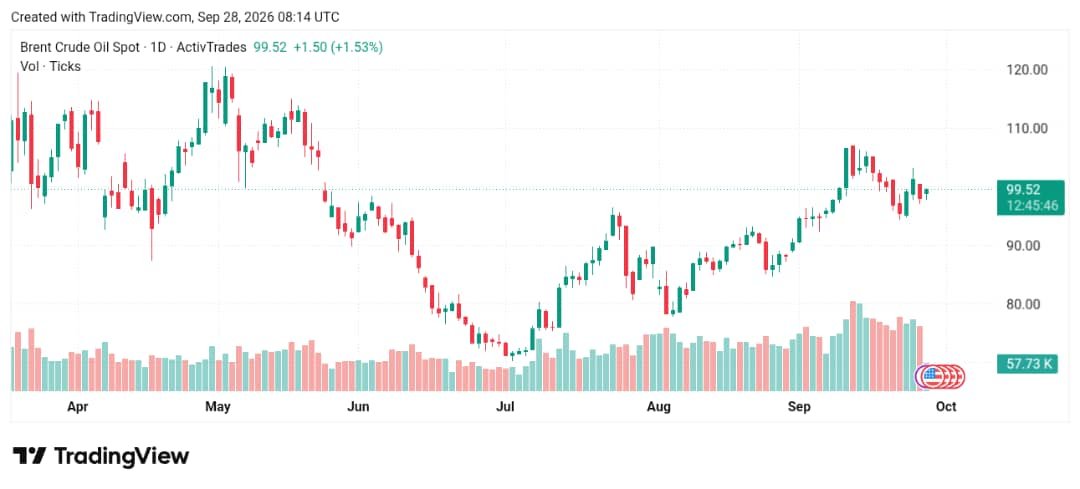
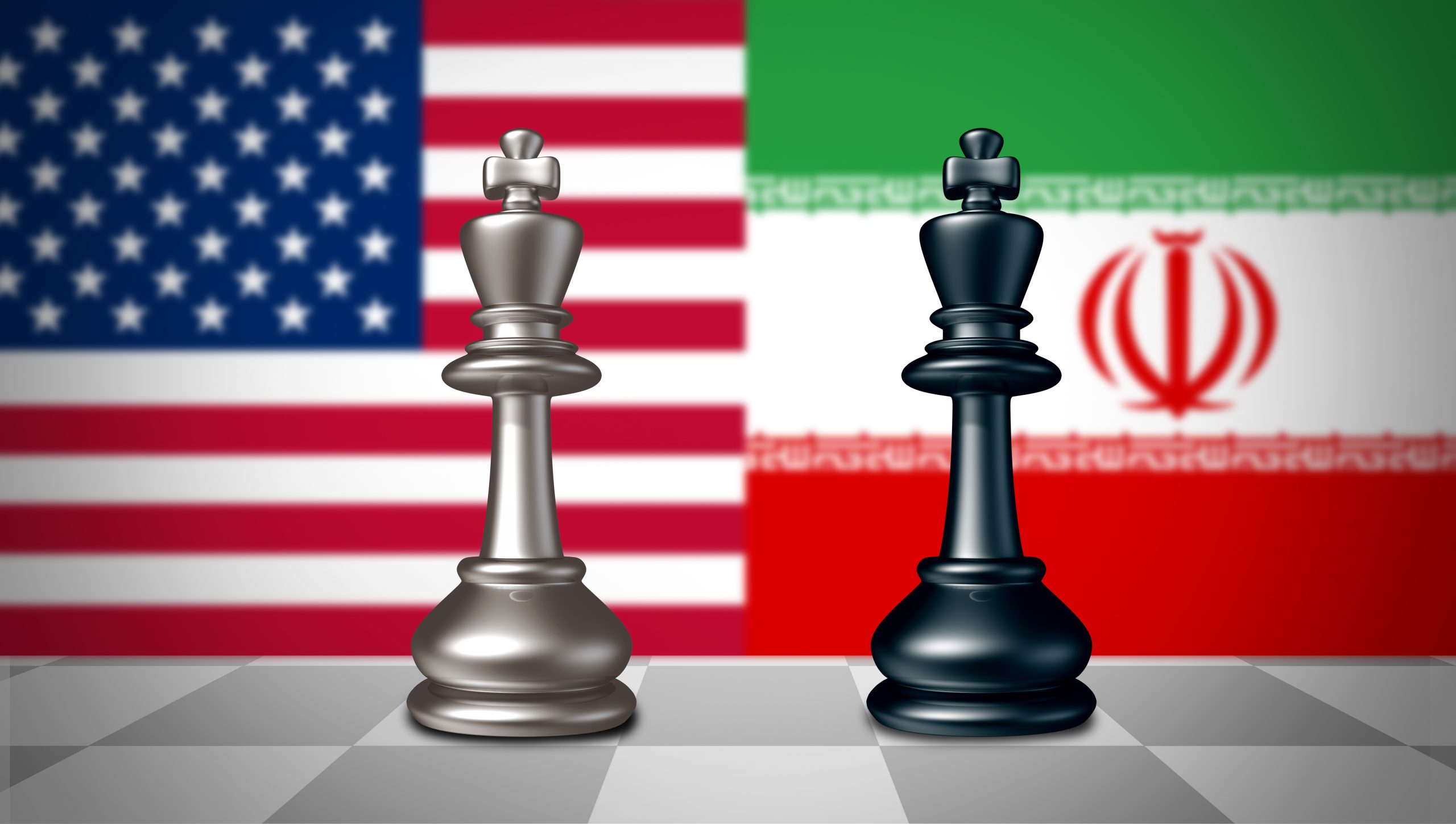
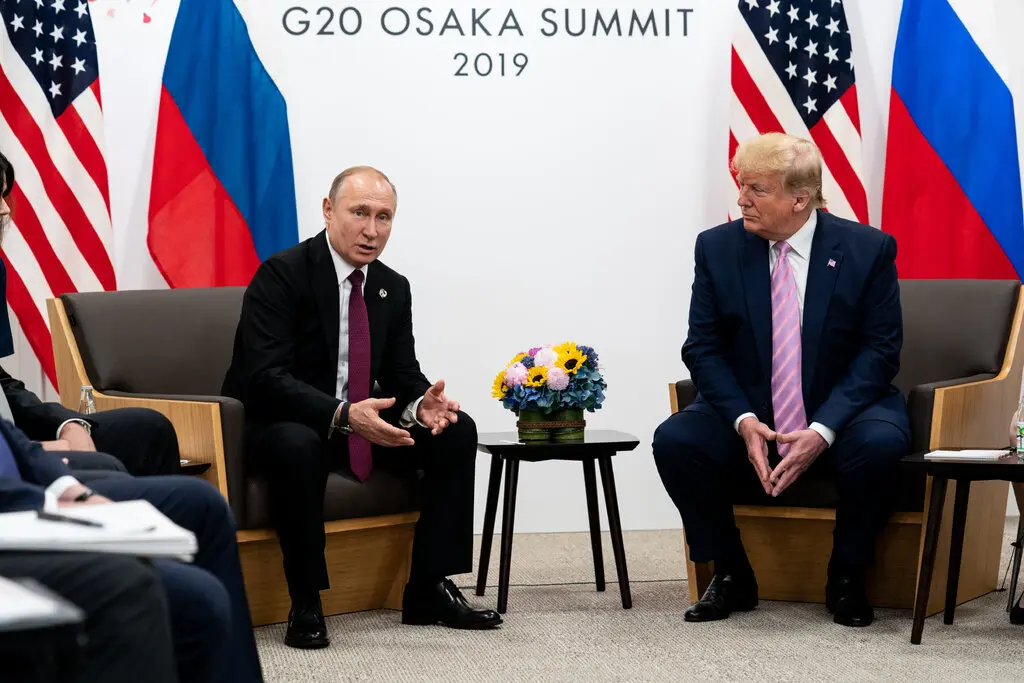
Oil prices closed 1% higher on Wednesday, driven by market reactions to President Trump’s accelerated deadline for Russia to end the Ukraine war and new tariff threats on Russian oil trade. Brent crude rose to $73.24, while WTI settled at $70. Investors largely overlooked mixed U.S. inventory data, focusing instead on geopolitical tensions. India’s signal to comply with U.S. sanctions could impact over 2 million bpd of Russian oil exports, supporting crude prices. Meanwhile, U.S. crude stocks unexpectedly rose, and the Fed held rates steady with no clear timeline for cuts.
BoC Keeps Rate At 2.75%, Warns Of Trade Risks, Possible Cuts
The Bank of Canada held its benchmark interest rate at 2.75% for the third straight time, pointing to easing global trade tensions but continued uncertainty over U.S. trade policy. It avoided issuing specific forecasts, instead outlining three possible economic paths tied to future tariff changes.
Governor Tiff Macklem noted Canada’s economy remains relatively strong, with stable inflation and solid job growth. However, if conditions deteriorate, the Bank is open to rate cuts—provided inflation remains under control. The central bank is closely monitoring the August 1 U.S.-Canada trade deadline, which could trigger new tariffs.
Fed Holds Rates, Powell Tempers Hopes For September Cut
The Federal Reserve kept interest rates unchanged on Wednesday, with Chair Jerome Powell signaling that a September rate cut is uncertain. Powell emphasized the Fed’s focus on inflation control over political pressure, noting that it’s still too early to gauge the full impact of President Trump’s trade policies. His comments lowered market expectations for a September rate cut, causing Treasury yields to rise and stocks to dip slightly. The Fed’s decision, passed by a 9-2 vote, marks the first major dissent at the central bank in over 30 years.
Tunisia Holds Interest Rate At 7.5% As Inflation Hits Five-Year Low
Tunisia’s central bank kept its benchmark interest rate steady at 7.5% on Wednesday, maintaining the level set after a March rate cut — the first in five years. Inflation eased to 5.4% in June, the lowest in five years, with the government forecasting a 6.2% average for 2025, down from 7% in 2024. Meanwhile, the country’s trade deficit widened to $3.46 billion in the first half of 2025, deepening the current account deficit to 1.9% of GDP from 1.2% a year earlier.
Nigeria Invests $538m In Agro Zones, Launches Youth-Focused 10-Year Agriculture Plan
Nigeria has committed $538.05 million to its Special Agro-Industrial Processing Zones (SAPZ) to boost food production, create jobs, and drive agro-industrialisation, Vice President Kashim Shettima announced at a UN summit in Ethiopia.
He also unveiled a 10-year Strategic Action Plan (2026–2035) centered on youth inclusion, supported by a $1 billion recapitalization of the Bank of Agriculture. The plan targets increased mechanization, irrigation, agri-tech, and value addition to strengthen food systems and rural economies.