

Akintunde Oyedokun
Research Analyst
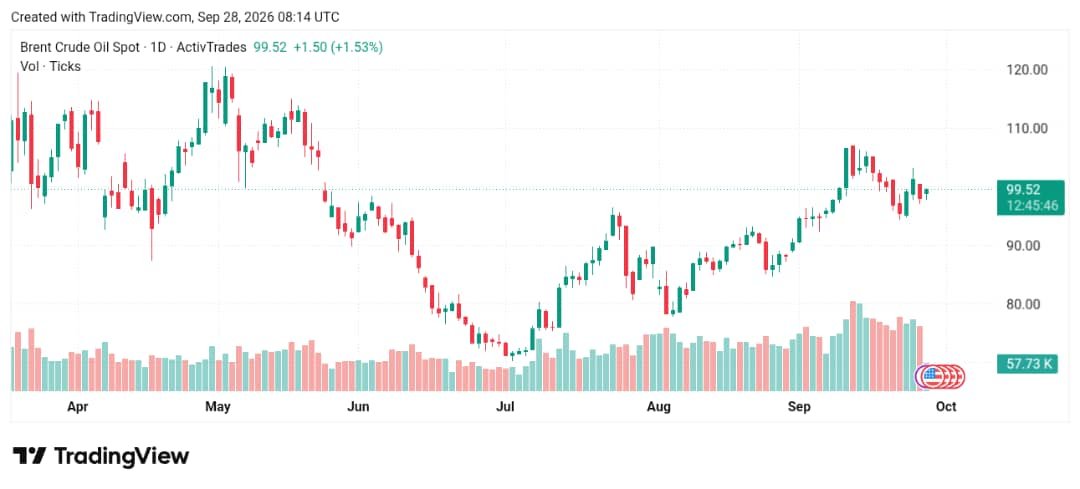
Oil prices ended slightly higher on Thursday as investors weighed the possibility of tougher U.S. sanctions on Russia against supply risks from a blockade of Venezuelan oil exports. Brent crude closed at $59.82 per barrel, while WTI settled at $56.15, with geopolitical uncertainty continuing to provide support to the market.
U.S. Jobless Claims Dip, Labor Market Holds Steady
New U.S. unemployment claims fell to 224,000 in mid-December, reversing the previous week’s rise and pointing to a stable labor market. Employers remain cautious on hiring but are not cutting jobs aggressively, as tariff-related uncertainty weighs on business decisions. While payroll growth has been modest and unemployment ticked higher, Federal Reserve officials have slowed rate cuts to assess clearer signals from jobs and inflation.
BoE Poised for Rate Cut as Inflation Eases, Further Cuts Seen as Limited
The Bank of England is expected to lower interest rates to 3.75% on the back of slowing inflation and weaker growth. Despite this, persistent price pressures are likely to restrict further easing, with markets pricing in just one additional cut in 2026. Divisions remain within the policy committee, and while recent data supports a cut, inflation—particularly in services—continues to weigh on the outlook.
The UK economy also contracted in the three months to October, highlighting the fragile state of growth.
Gabon to Introduce Housing Tax Amid Rising Debt
Starting January, Gabon will charge homeowners and tenants a monthly housing tax of 1,000–30,000 CFA francs ($1.80–$53.88) to fund public services, with exemptions for vulnerable households, schools, and places of worship. The move comes as the country’s debt climbs to 8.6 trillion CFA francs ($15.45 billion).
The revenue will help improve street lighting, road maintenance, and city cleanliness.
Millions of Barrels of Nigerian, Angolan Crude Remain Unsold
About 20 million barrels of Nigerian crude and several Angolan cargoes remain unsold as cheaper global supplies dominate the market. The backlog has pushed Brent crude below $60 per barrel and delayed February trading.
High unsold volumes highlight a growing mismatch between supply and demand in the global oil market.
Nigeria’s oil revenue fell 22% to ₦3.9 trillion in Q4 2024.