

Akintunde Oyedokun
Research Analyst
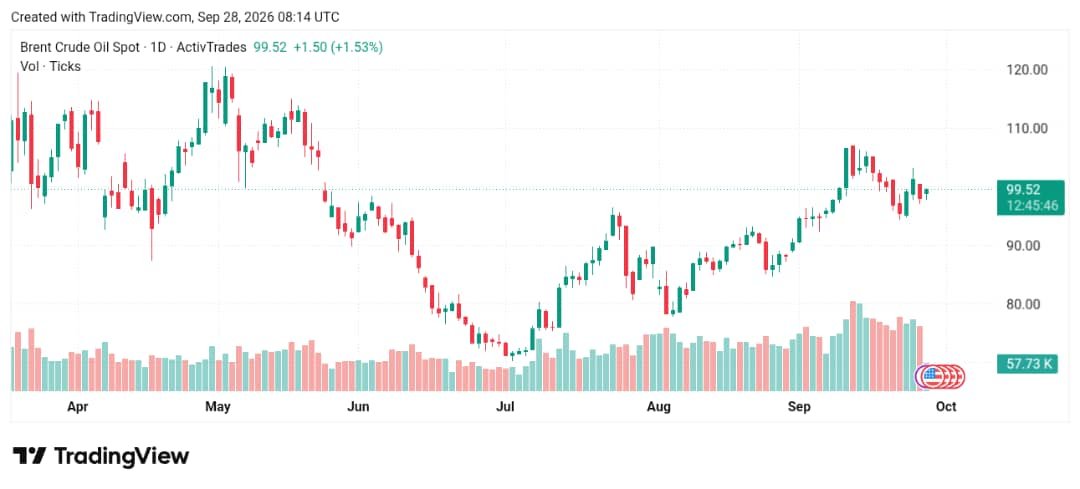
Oil prices fell more than 2% on Thursday but remained near multi-month highs as investors watched upcoming U.S.–Iran talks in Oman. Brent crude declined to $67.92 per barrel, while U.S. WTI slipped to $63.62.
Markets stayed cautious due to ongoing Middle East tensions, particularly around the Strait of Hormuz, a key global oil route. Prices remain sensitive to any negative developments, with volatility also influenced by a stronger U.S. dollar and shifting global crude trade flows.
ECB Holds Rates Steady Amid Stable Inflation
The European Central Bank kept interest rates unchanged, citing steady growth and inflation near its 2% target. President Christine Lagarde said recent dollar fluctuations were already factored into policy decisions, and risks remain balanced. Markets expect rates to stay on hold through 2026, with potential tightening in 2027.
U.S. Job Openings Fall to Five-Year Low As Labor Market Softens
U.S. job openings dropped to 6.54 million in December, marking the lowest level since September 2020, the Labor Department reported Thursday. November’s figures were also revised down to 6.93 million from an earlier 7.15 million. Economists had expected 7.2 million openings. Hiring rose modestly by 172,000 to 5.29 million, reflecting continued softening in labor market conditions at the end of 2025.
Egypt’s inflation eases to 11.7% in January
Egypt’s annual inflation is expected to drop to 11.7% in January from 12.3% in December, driven by a stronger pound, easing food prices, and a favorable base effect. Core inflation is projected at 11.5%. The central bank cut its overnight rate to 21% in December as price pressures continue to moderate. Official January data will be released by Capmas on Tuesday.
Nigeria’s Economy Expands In January 2026, CBN PMI Shows
Nigeria’s economic activity stayed strong in January 2026, with the Central Bank’s composite PMI at 55.7 points, marking the fourteenth consecutive month of expansion. Growth was broad-based across industry, services, and agriculture, reflecting improved output, stable demand, and rising business confidence. Despite the positive momentum, challenges such as insecurity, high taxes, unreliable power, inflation, and exchange rate volatility continue to pose risks. The data indicates that Nigeria’s economic recovery is gaining depth and resilience.