

Akintunde Oyedokun
Research Analyst
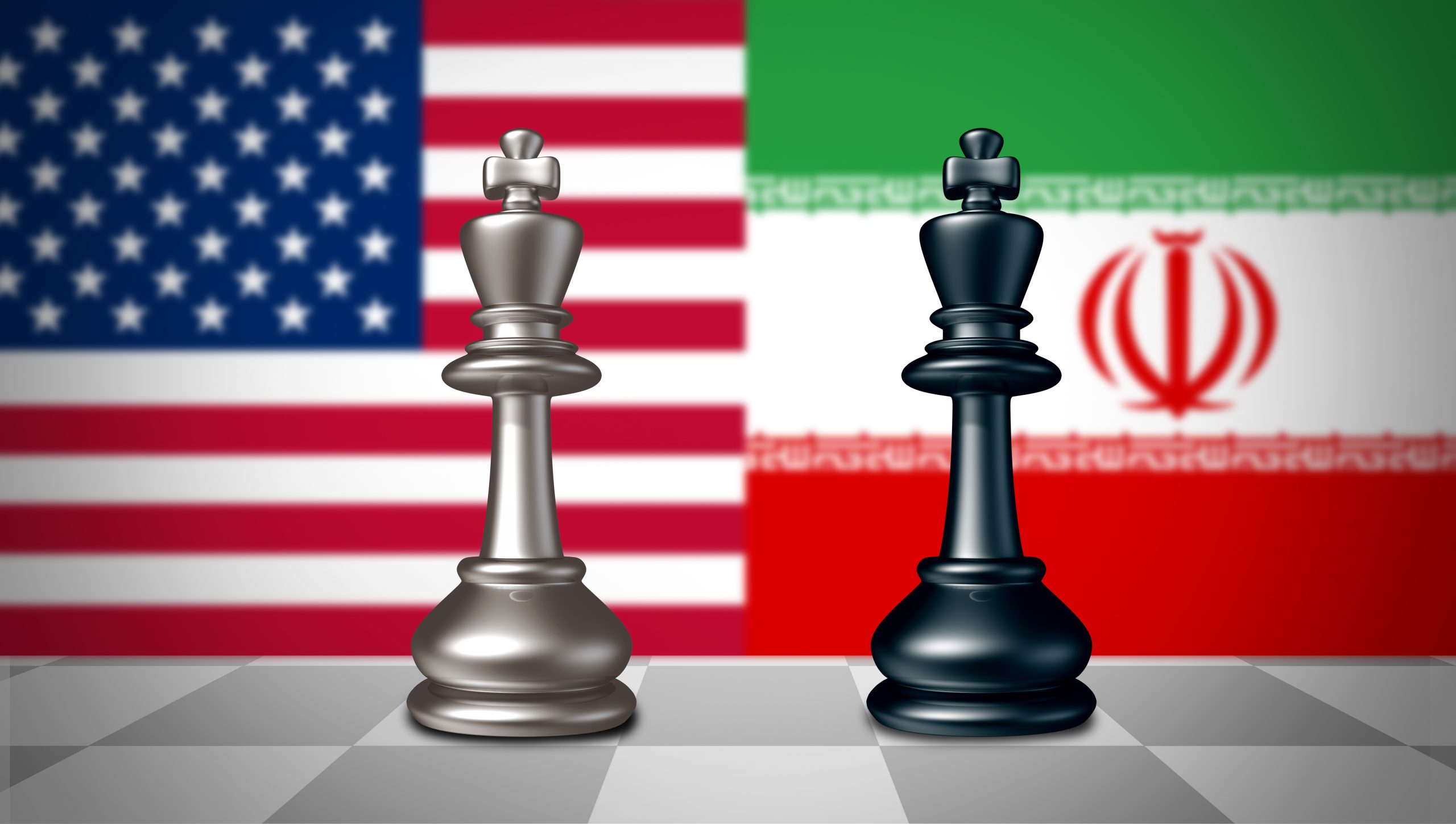
Oil prices jumped on Wednesday, with Brent up 2.9% to $69.38 and WTI rising 2.8% to $64.08, after brief Ukraine-Russia peace talks ended without progress and concerns over U.S.-Iran tensions resurfaced.
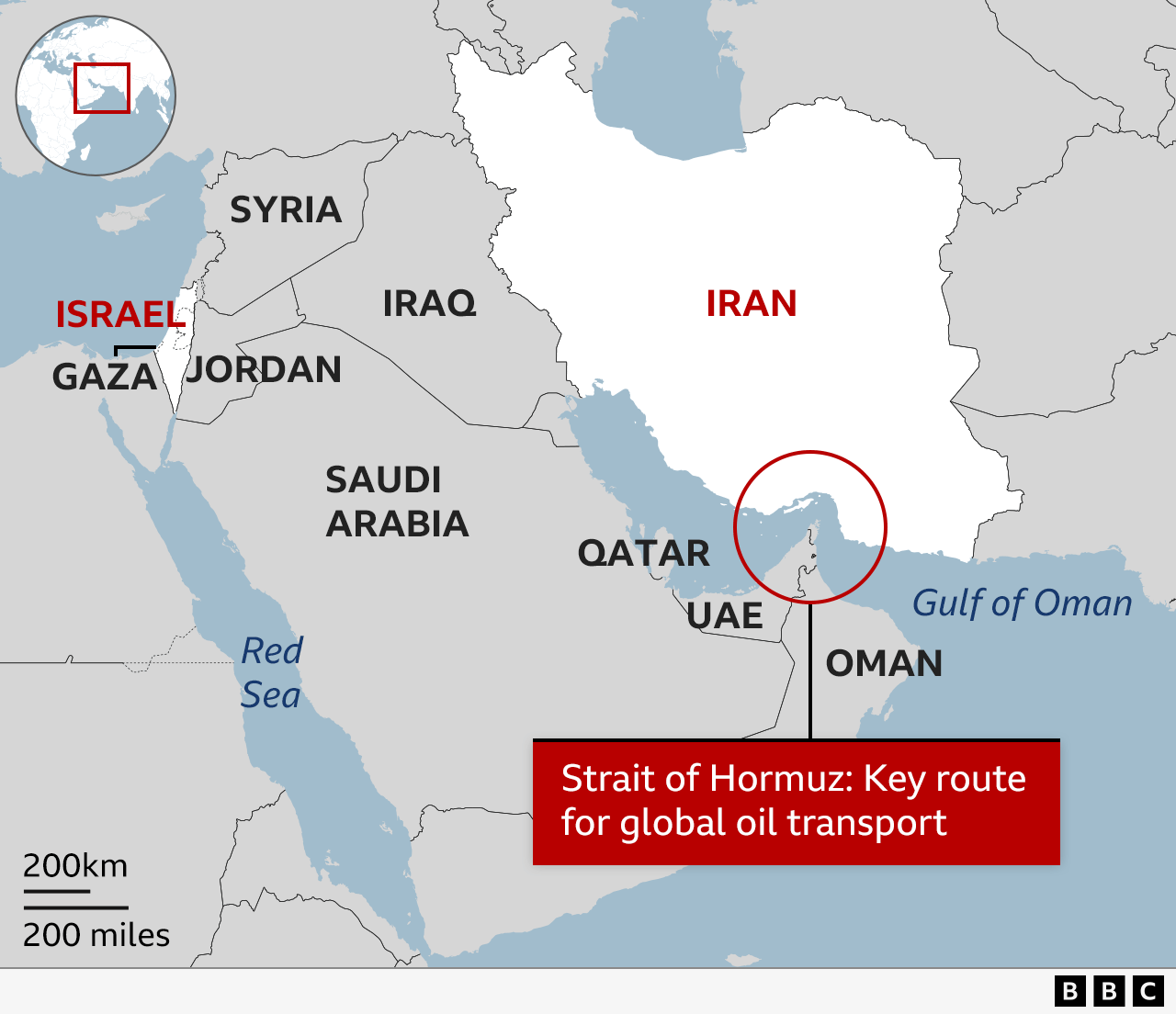
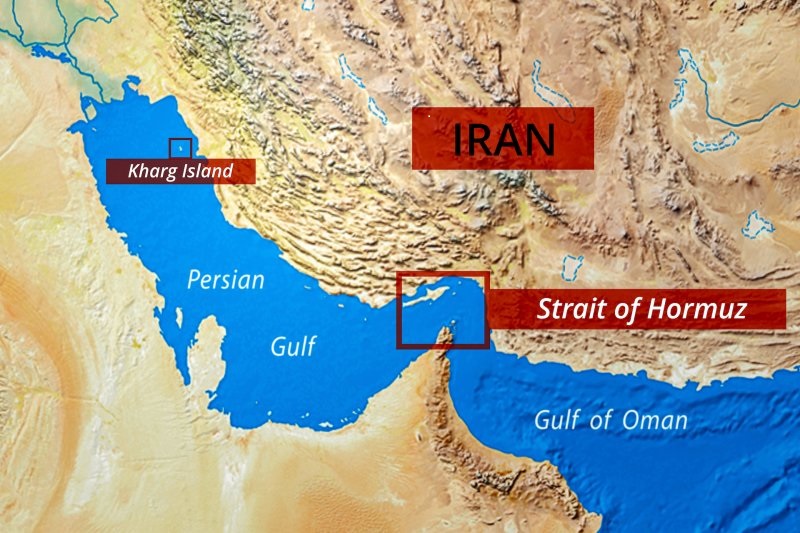
Iran and Russia plan naval drills near the Strait of Hormuz, following recent military exercises, raising supply risk fears. Analysts note the situation keeps oil markets on edge, while U.S. crude inventory reports later this week will also influence prices.
UK Inflation Hits Lowest In Nearly A Year, BoE Rate Cut Expected
UK inflation fell to 3.0% in January, the lowest since March last year, due to slower rises in food, transport, and drink prices. Core inflation eased to 3.1%, while service inflation remained elevated at 4.4%. The data increases expectations of a Bank of England rate cut in March, with further easing possible later in 2026, though some underlying price pressures persist. Sterling remained largely steady against the U.S. dollar following the report.
RBNZ Keeps Rates On Hold, Signals Gradual Policy Normalization
New Zealand’s central bank held its cash rate at 2.25%, citing the need to support a fragile economic recovery. Governor Anna Breman indicated rates will remain low until inflation rises and the economy strengthens, with a possible hike by year-end. Inflation is expected to return to the 1%-3% target range, while markets saw the kiwi fall and swap rates dip to their lowest since mid-January.
The central bank stressed that policy normalization will be gradual as households continue to feel the effects of a slow recovery.
Namibia Keeps Interest Rate At 6.5% Amid Economic Caution
Namibia’s central bank held its repo rate at 6.50%, aiming to maintain currency stability and support the economy, Governor Ebson Uanguta said. Inflation eased to 2.9% in January, the lowest since February 2021.
Economic growth forecasts may be lowered from 3.8% due to weak diamond production and agricultural challenges, while annual inflation is now expected at 3.5%.
The move also keeps Namibia’s monetary policy closely aligned with South Africa’s, supporting regional economic stability.
Nigeria’s Tinubu Orders Direct Remittance Of Oil Revenues
President Bola Tinubu has signed an Executive Order suspending NNPCL’s management and frontier exploration fees and directing that all oil and gas revenues be paid straight into the Federation Account.
The move is aimed at improving transparency, blocking revenue leakages, and aligning remittances with constitutional provisions. It also addresses fiscal arrangements introduced under the Petroleum Industry Act that reportedly allowed off-budget deductions.
The order takes immediate effect and signals stricter oversight of oil revenue management.