
Akintunde Oyedokun
Research Analyst
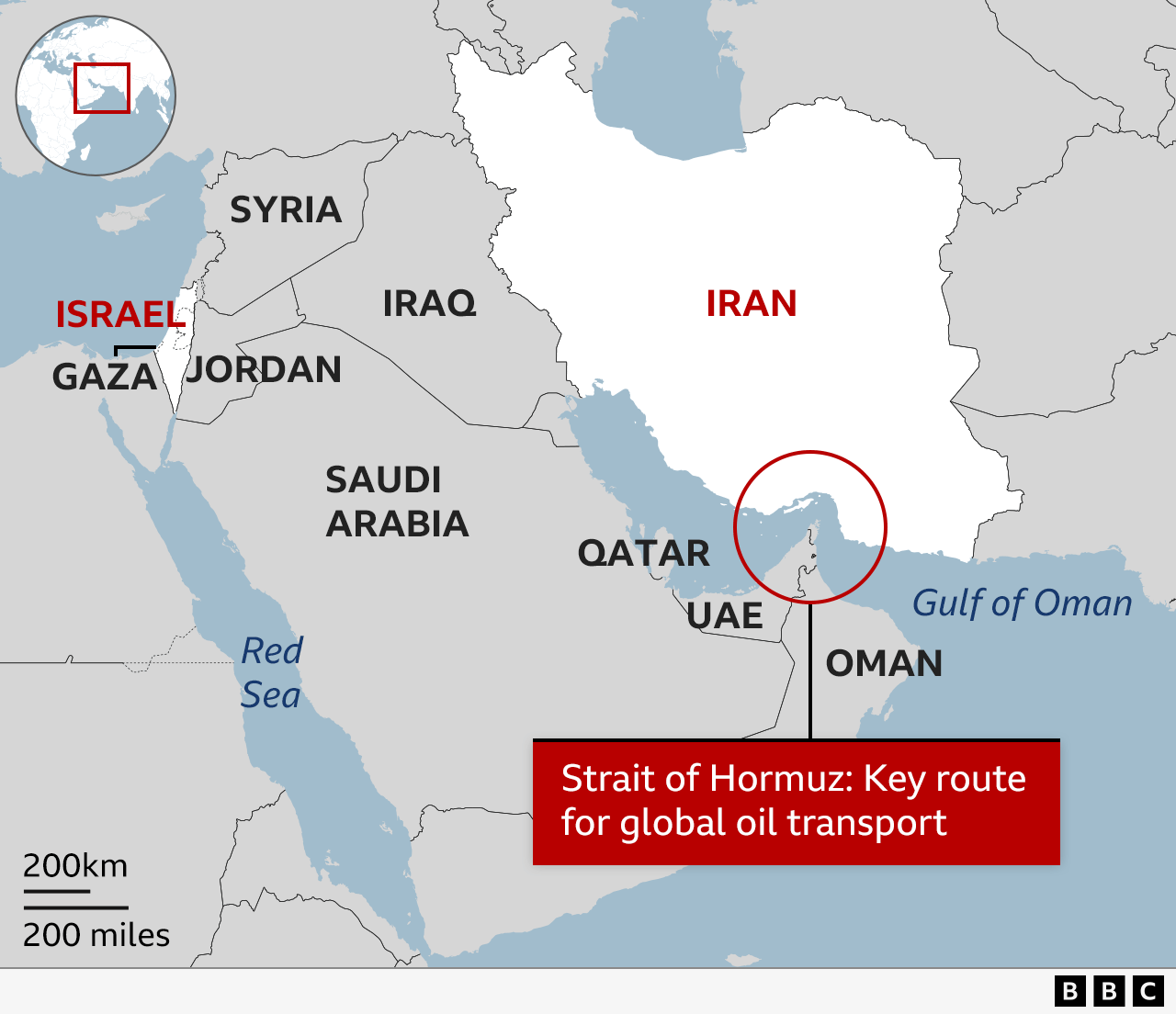
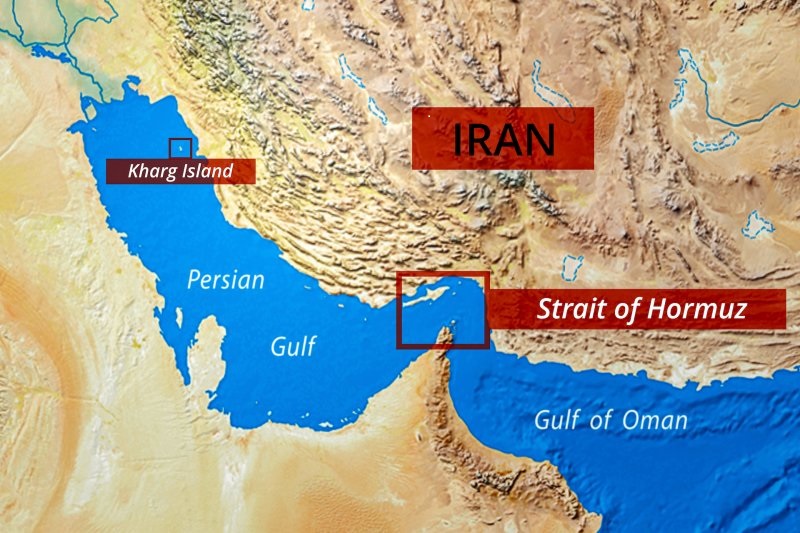
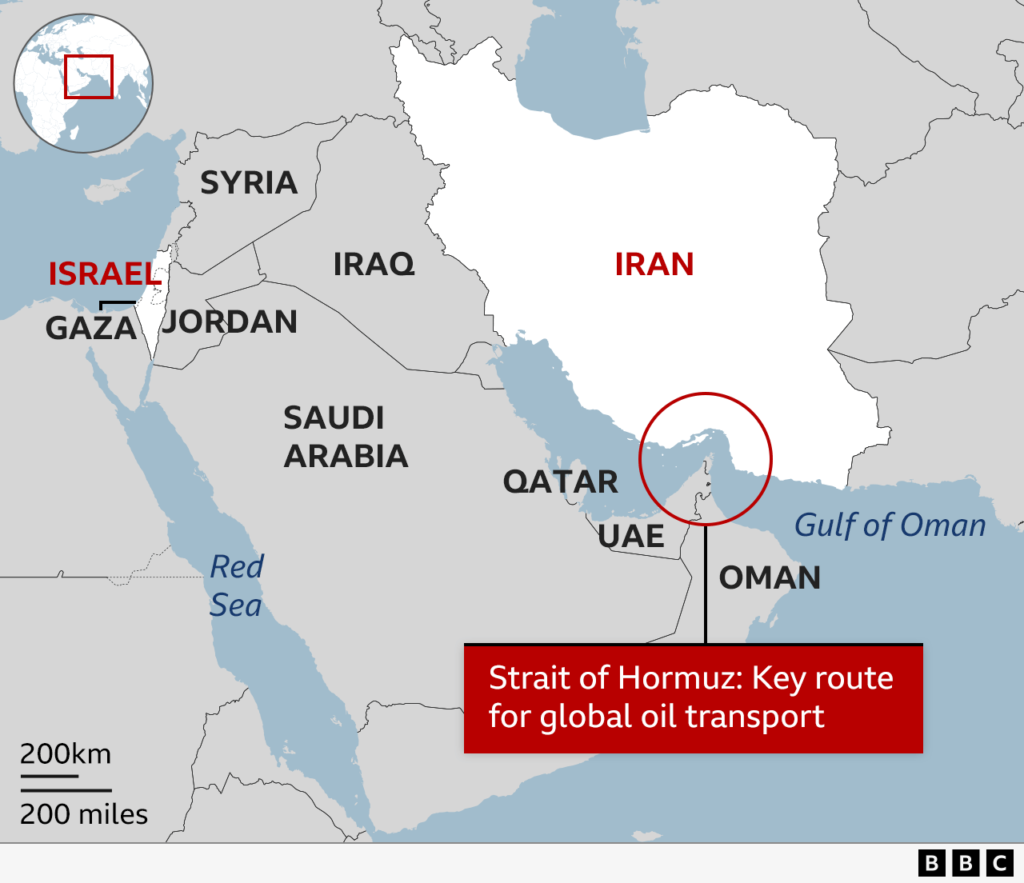
Oil prices eased on Thursday after Iran reportedly allowed more vessels to pass through the Strait of Hormuz, reducing supply concerns.
Brent crude fell 0.7% to $104.90 per barrel, while U.S. WTI crude slipped 0.2% to $100.82.
Iranian media said about 30 vessels recently crossed the key oil route, helping improve market sentiment despite ongoing regional tensions.
US Jobless Claims Rise Slightly as Labour Market Holds Firm
New U.S. unemployment claims rose by 12,000 to 211,000 last week, slightly above market expectations, indicating the labour market remains stable despite rising inflation pressures.
The Iran conflict has disrupted shipping through the Strait of Hormuz, driving up energy and commodity prices. Meanwhile, continuing claims climbed to 1.782 million.
Despite inflation concerns, the U.S. economy added 115,000 jobs in April, while the unemployment rate remained unchanged at 4.3%.
India’s Wholesale Inflation Jumps To 8.3% On Rising Energy Costs
India’s wholesale inflation climbed to 8.3% in April, its highest level in over three years, driven by soaring energy prices linked to the Middle East conflict.
Fuel and power prices surged 24.71%, while petroleum and natural gas prices jumped 67.2%. The figure was higher than March’s 3.88% and above analysts’ expectations.
Economists say persistent energy costs could increase pressure on policymakers and raise the risk of future interest rate hikes.
Kenya Raises Fuel Prices Again Amid Global Oil Supply Pressure
Kenya has raised fuel prices for the second consecutive month amid higher global crude prices linked to the Middle East conflict.
Petrol now sells at 214.25 Kenyan shillings per litre from 206.97 shillings, while diesel jumped to 242.92 shillings from 196.63 shillings. Kerosene remains unchanged at 152.78 shillings.
The new prices take effect from May 15 to June 14. Kenya imports most of its fuel from the Middle East through government supply deals with Gulf producers.
Nigeria Petrol Imports Drop 60% as Local Refining Surges
Nigeria’s petrol imports fell 60.2% year-on-year to 965.52 million litres in Q1 2026 as local refinery supply rose sharply.
Domestic output increased 59.2% to 3.18 billion litres, raising its share of total supply to 76.7% from 45.2% in Q1 2025.
Total petrol supply dipped slightly to 4.14 billion litres, showing local production growth did not fully offset lower imports.
February saw the steepest import decline at 88.9%, while March recorded a mild rebound but remained well below 2025 levels.