
Akintunde Oyedokun
Research Analyst
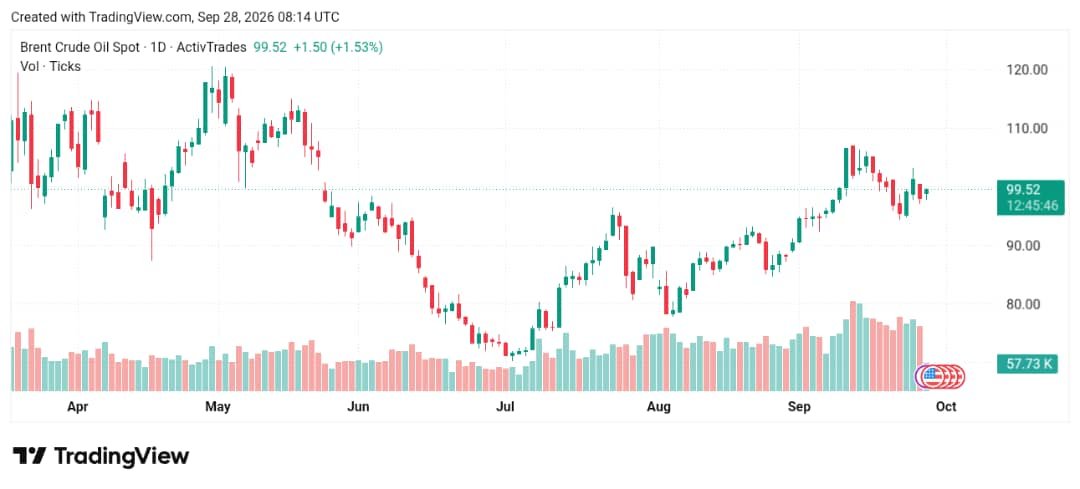
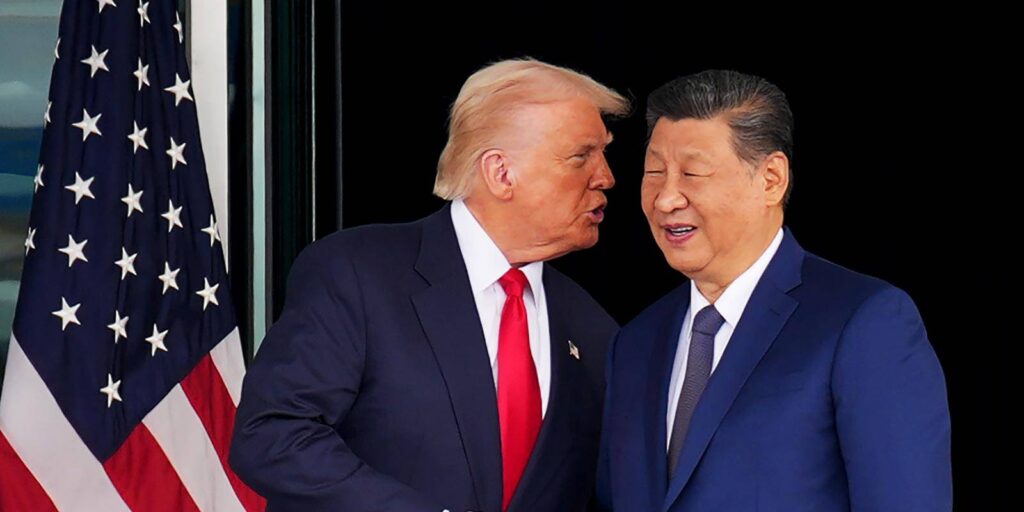
Oil prices traded mixed on Wednesday as investors monitored Middle East tensions and awaited talks between U.S. President Donald Trump and China’s Xi Jinping.
Brent crude fell 0.1% to $107.63 per barrel, while WTI crude gained 0.4% to $102.62.
Prices remained supported by supply concerns linked to the Strait of Hormuz and expectations of tighter global oil supply.
France Jobless Rate Hits Highest Level Since Pandemic
France’s unemployment rate rose to 8.1% in Q1 2026, the highest since the pandemic, raising pressure on President Emmanuel Macron’s economic record.
Despite earlier gains from labour reforms that cut joblessness to a 40-year low in 2023, weak growth and political uncertainty have slowed progress.
INSEE said part of the increase reflects a change in welfare registration rules, while the Bank of France noted the labour market is still stronger than in past downturns.
US Producer Prices Hit Four-Year High as Inflation Pressures Deepen
U.S. producer prices rose 1.4% in April, the biggest monthly increase since March 2022, after a revised 0.7% rise in March and above forecasts of 0.5%.
Annual producer inflation accelerated to 6.0% from 4.3%, driven by a 7.8% jump in energy costs and a 1.2% increase in services prices.
Gasoline prices surged 15.6% during the month, while core producer goods prices climbed 0.7% and were up 4.6% year-on-year.
The data reinforced expectations that the Federal Reserve may keep interest rates higher for longer amid persistent inflation pressures.
Zambia Cuts Interest Rate As Inflation Eases
Zambia’s central bank cut its main interest rate by 25 basis points to 13.25%, its third consecutive reduction, as inflation eased within target range.
Governor Denny Kalyalya said exchange rate stability and expectations of a strong maize harvest supported the decision. Inflation slowed to 6.8% in April from 7.1% in March.
The bank, however, warned that tensions linked to the Iran conflict and rising energy prices remain upside risks to inflation. Zambia now expects inflation to average 6.8% in 2026 and 6.1% in 2027.
Nigeria’s Petrol Consumption Jumps To 51.1m Litres Daily In April
Nigeria’s daily petrol use rose to 51.1 million litres in April 2026 from 47.3 million litres in March, NMDPRA data shows.
Domestic supply increased to 40.7 million litres per day, driven by the Dangote Petroleum Refinery, which produced 53.6 million litres daily and supplied most locally.
Imports dropped to 3.7 million litres per day, while crude supply to refineries fell to 0.612 million barrels per day.
Nigerian National Petroleum Company Limited refineries remained idle, with Warri and Kaduna recording zero output.