
Akintunde Oyedokun
Research Analyst
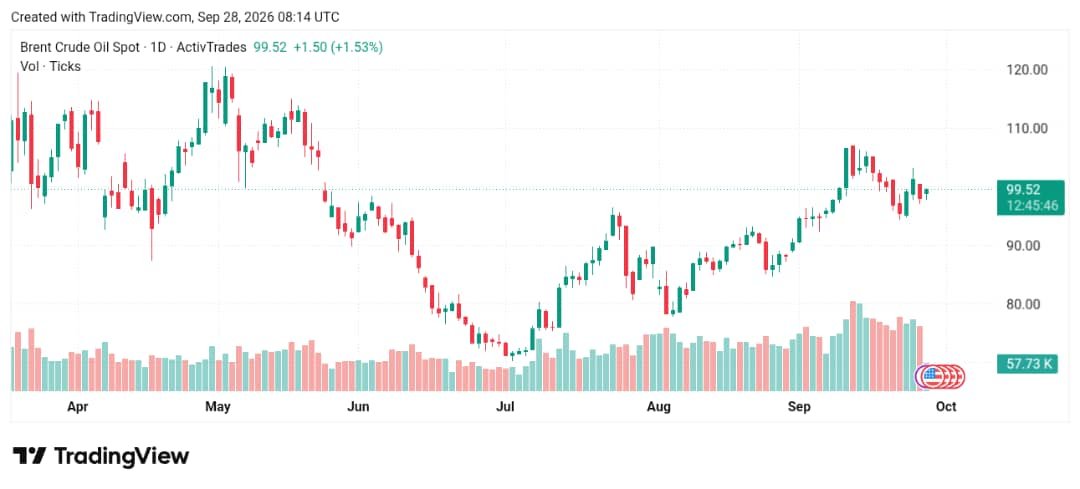
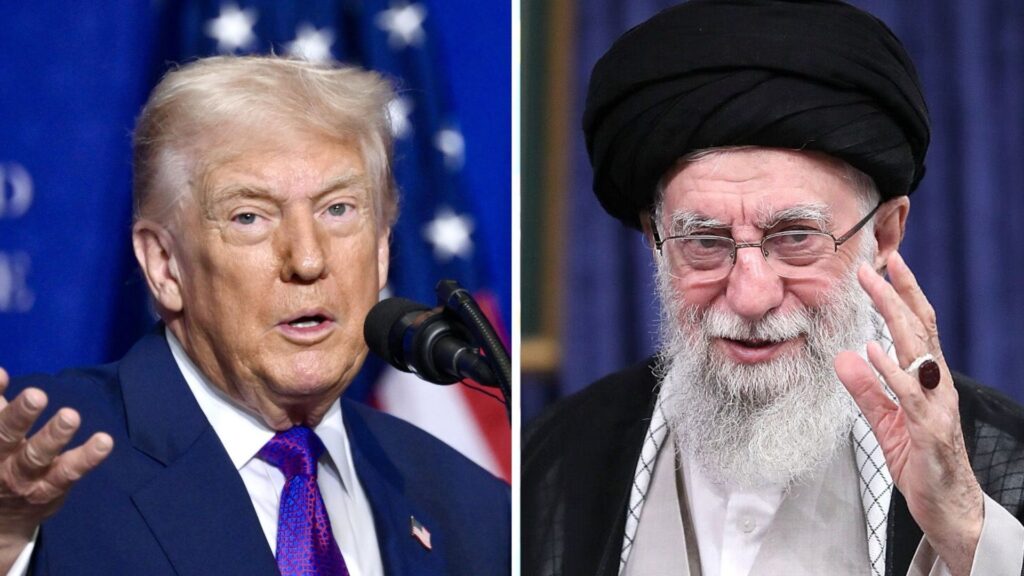
Oil prices climbed over 3% on Tuesday as renewed tensions between the U.S. and Iran raised concerns over global supply disruptions.
Brent crude rose to $107.55 per barrel, while WTI traded at $101.25, supported by fears over the Strait of Hormuz and expectations of lower U.S. crude inventories. Markets are also watching upcoming talks between Donald Trump and Chinese President Xi Jinping.
India Inflation Edges Higher on Food Costs, Energy Risks Persist
India’s inflation rose slightly to 3.48% in April from 3.4% in March, staying below the 4% target but coming under pressure from higher food prices.
Rising global oil costs, a weakening rupee, and concerns over monsoon rainfall are adding to future inflation risks. Fuel prices remain unchanged for now, but any increase could push up broader costs.
The central bank has held rates steady, though economists warn sustained price pressures could limit future cuts or lead to hikes later in the year.
Italian Industry Sees March Uptick, But Q1 Output Still Slips
Italian industrial production rose 0.7% in March, beating expectations and hinting at mild recovery in the manufacturing sector. Year-on-year output also climbed 1.5%.
However, the broader trend remains weak, with Q1 output down 0.2% quarter-on-quarter as high energy costs and geopolitical tensions continue to weigh on activity.
South Africa Unemployment Rises To 32.7% In Q1 2026
South Africa’s unemployment rate rose to 32.7% in Q1 2026 from 31.4%, with jobless numbers increasing to 8.14 million. Unemployment has stayed above 30% for over five years, among the highest globally.
Job losses were broad-based, with only three sectors recording gains. Community and social services saw the biggest decline, while manufacturing, mining, and agriculture improved slightly.
The expanded unemployment rate climbed to 43.7%, with youth and Black women most affected.
Nigeria Seeks Fresh $1.25bn World Bank Loan For Power, Digital, Economic Reforms
The Federal Government is seeking a $1.25 billion World Bank loan to support reforms in power, digital services, agriculture, taxation and trade.
The World Bank said the programme aims to boost inclusive growth and job creation despite ongoing challenges such as poverty, weak infrastructure and slow economic growth.
If approved, total World Bank loan approvals under President Bola Tinubu would rise to about $10.6 billion since 2023.