
Akintunde Oyedokun
Research Analyst
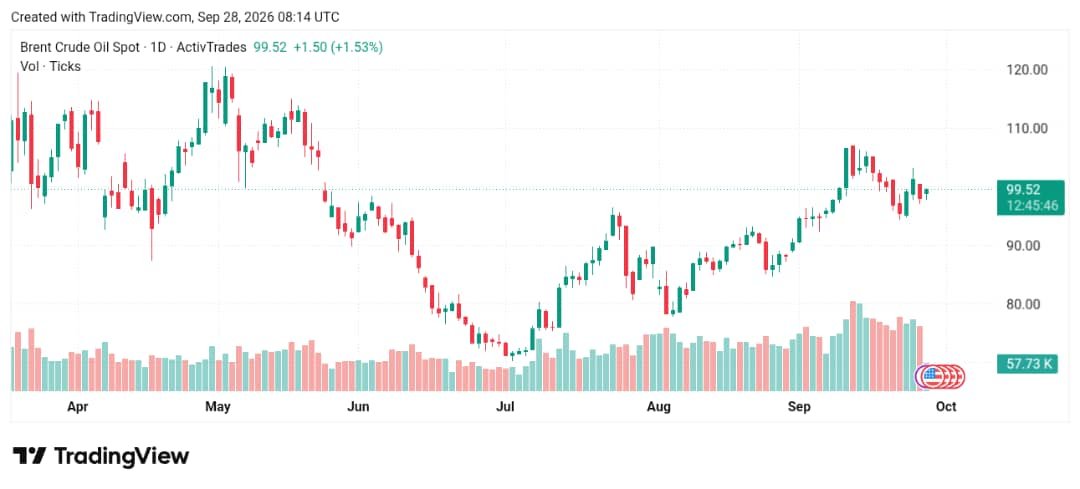
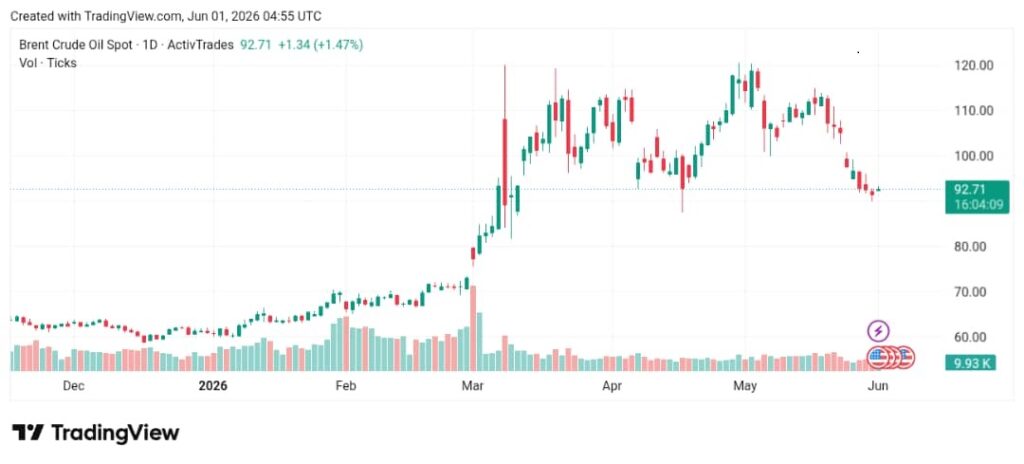
Oil prices fell about 2% on Friday after reports of a possible U.S.-Iran ceasefire extension eased supply concerns. Brent crude dropped to $91.82 per barrel, while WTI fell to $87.20.
The decline pushed Brent down 11% and WTI nearly 10% for the week, their biggest losses since April. Investors remain focused on developments surrounding the Strait of Hormuz, while U.S. inventory data showed a decline in crude and fuel stockpiles last week.
China’s Factory Growth Stalls As Demand Remains Weak
China’s manufacturing sector remained stagnant in May as weak consumer demand and increasing production expenses weighed on factory output. The official PMI eased to 50.0 from 50.3 in April, according to data from the National Bureau of Statistics, in line with market expectations. The reading suggests growth in the sector has slowed, with factory activity holding steady at the expansion-contraction threshold.
Germany Inflation Falls to 2.7% As Energy Costs Ease
Germany’s inflation rate slowed to 2.7% in May from 2.9% in April, helped by lower energy prices. Energy inflation eased to 6.6% from 10.1%, while core inflation rose to 2.5% from 2.3%.
Economists said the increase in core inflation was largely driven by temporary factors, with no clear signs yet that higher energy costs are spreading across the broader economy.
Kenya Inflation Rises to 6.7% On Fuel Cost Surge
Kenya’s inflation climbed to 6.7% in May 2026, its highest in over two years, driven by higher fuel and transport costs.
Inflation rose from 5.6% in April as transport prices jumped 16.5%, food increased 9.4%, and utilities edged up 3.4%, according to official data.
The increase follows repeated fuel price hikes linked to global oil pressures, with attention now on the central bank’s June policy decision.
Nigeria’s Fiscal Deficit Drops to ₦330bn in Q3 2025
Nigeria’s fiscal deficit fell to ₦330 billion in Q3 2025, far below projections and the ₦3.17 trillion recorded in Q3 2024.
The Budget Office attributed the improvement to higher revenue and tighter spending. The deficit-to-GDP ratio stood at 2.29%, within the 3% limit.
It was financed through domestic borrowing, privatisation proceeds, and external project loans, though concerns over debt and borrowing remain.